Chinese viburnum Care (Viburnum macrocephalum)

Also known as: Chinese Snowball Viburnum
Chinese viburnum

About Chinese viburnum

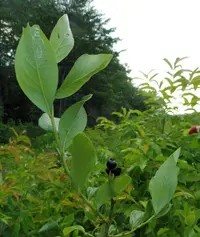
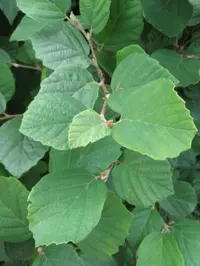
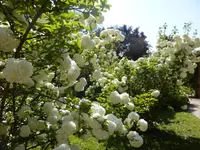
Chinese viburnum (Viburnum macrocephalum) is a deciduous flowering shrub valued for its large, rounded clusters of white, hydrangea-like blooms. It typically forms a broad, bushy shape with many branches and attractive green foliage that may develop soft seasonal color changes.

The species originates from China and is commonly grown as an ornamental shrub in mild to warm temperate climates. It is generally considered easy to grow, as it adapts to a range of garden soils and is fairly tolerant of urban conditions.

Gardeners who want to learn how to care for Chinese viburnum should know it prefers sun to light shade, moderate moisture, and well-drained soil for best flowering and overall health.

Main Plant Requirements

Care Difficulty

Easy Care

Light Preference

Full Sun

Water Requirements

Moderate Water

Temperature Preference

Cold Hardy

Hardiness Zone

6–9

Soil Texture

Loamy, Clay, Organic-rich

Soil pH

Acidic (5.5–6.5), Slightly acidic (6.5–7.0)

Soil Drainage

Moist but well-drained

Fertilization

Minimal (feed rarely)

Get Personalized Care Plan

Scan your plant to receive care tips personalized for your specific plant

Available on iOS and Android

How to Care for the Chinese viburnum

This shrub prefers bright outdoor conditions with a balance of sun and light shade for strong growth and flowering.

  • Provide 4–6 hours of direct morning sun with light afternoon shade, especially in hotter regions, to reduce leaf scorch and flower fade.
  • Tolerates partial shade, but very dense shade reduces blooming; aim for dappled or filtered light under high trees rather than deep shade between buildings.
  • In cooler climates, Chinese viburnum can handle near full sun, but monitor in summer; pale, crisping leaf edges indicate excessive sun exposure.

Soil should stay moderately moist but never waterlogged for healthy Viburnum macrocephalum growth.

  • Water when the top 3–5 cm of soil feels dry, soaking the root zone deeply, then allow excess water to drain away fully.
  • Reduce watering frequency in fall and winter, but do not let the root ball dry out completely, especially during dry, windy periods.
  • Yellowing leaves and soft stems suggest overwatering and poor drainage, while dull, curling, or drooping leaves that recover after soaking indicate underwatering.

This species is a hardy landscape shrub that tolerates a wide temperature range once established outdoors.

  • Active growth and flowering are best at 60–75°F (16–24°C), with cool springs supporting bud development and stable bloom formation.
  • Mature plants usually tolerate down to about 0°F (-18°C) with good mulching; young shrubs should be protected from hard freezes and drying winter winds.
  • Handles summer heat up to about 90–95°F (32–35°C) if soil moisture is maintained; prolonged extremes above this can cause leaf scorch and reduced flowering the following season.

This shrub tolerates a wide humidity range and usually does not need special humidity management outdoors.

Viburnum macrocephalum prefers moderately moist, well-structured ground that drains freely yet retains some water.

  • Use a loamy soil rich in organic matter, blending existing garden soil with compost for moisture retention and structure.
  • Aim for slightly acidic to neutral pH (6.0–7.0); incorporate composted bark or leaf mold to buffer pH and improve texture.
  • Ensure drainage by avoiding heavy, compacted clay; lighten dense soils with coarse sand or fine gravel at 10–20%.
  • Avoid low-lying, waterlogged spots where roots may suffocate and become prone to rot due to a lack of oxygen.

This species can be grown in large containers for several years if the pot is chosen carefully for size and stability.

  • Select a wide, heavy container to prevent tipping as the shrub becomes tall and top-heavy in wind exposure.
  • Use a deep pot to allow a strong, spreading root system that supports flower production and reduces drought stress between waterings.
  • Choose thick-walled clay or concrete pots in hot climates to moderate root temperature and slow moisture loss from the mix.

Viburnum macrocephalum responds well to modest, targeted feeding rather than heavy fertilization.

  • Apply a balanced slow-release granular fertilizer (around 10-10-10) in early spring as new growth starts.
  • Use a light top-dressing of compost around the root zone to improve soil structure and microbial activity.
  • Feed once more in midsummer only if growth is weak; avoid late-season nitrogen to prevent tender frost-susceptible shoots.
  • Water thoroughly after feeding and use fertilizers at 1/2–3/4 label strength to reduce root burn risk.

Pruning Viburnum macrocephalum helps maintain structure and flowering performance without heavy intervention.

  • Time main pruning for just after flowering so next year’s flower buds are not removed.
  • Cut out dead, diseased, or crossing branches at their origin using clean, sharp bypass pruners.
  • Thin crowded interior stems to improve air circulation and light penetration, preserving the natural rounded form.
  • Shorten overly long shoots by up to 1/3 of their length to control size while keeping a balanced outline.

This shrub is usually planted in the ground, so transplanting is more important than container repotting.

  • Plan major moves for late fall or very early spring, when the plant is dormant and soil is workable.
  • Transplant every 10–15 years or when growth declines, flowering drops, or root congestion is visible in containers.
  • Dig a wide root ball, keeping as many fine roots as possible, and set in a hole as deep but 2–3× wider than the ball.
  • Backfill with native soil, water deeply to settle, then apply 5–8 cm mulch, keeping it a few cm away from the stem.

Viburnum macrocephalum is most often propagated vegetatively to maintain flower form and plant uniformity.

  • Take semi-ripe stem cuttings in late spring to midsummer, using 10–15 cm non-flowering shoots with 2–3 nodes.
  • Remove lower leaves, dip the base in rooting hormone, and place in a moist, free-draining medium under high humidity.
  • Provide bright, indirect light and stable warmth around 70–75°F to encourage rooting over several weeks.
  • Ground layering also works: bend a flexible stem to soil level, wound lightly, pin, cover with soil, and sever once well rooted.

Established plants are fairly cold hardy, but young or container-grown Chinese viburnum benefit from simple winter care.

  • Tolerates light to moderate frost once established, but young shrubs need monitoring in colder zones.
  • Apply 5–8 cm of organic mulch over the root zone in late fall, keeping it slightly away from the main stem.
  • For severe cold or exposed sites, wrap the lower framework loosely with burlap to reduce desiccating winds.
  • Move containers to an unheated garage or sheltered porch, keeping soil barely moist but never waterlogged.

Care Tips

Branch framework training

In the first 2–3 years, selectively shorten or tip-prune young shoots in late winter to build a strong, evenly spaced branch framework that can support heavy flower heads later without splitting.

Preventing limb breakage

Before large flower clusters open, use soft ties to loosely secure long, arching branches to discreet stakes or a low support ring so the weight of blooms and wind does not cause cracking at the branch base.

Root-zone mulching

Maintain a 5–8 cm layer of composted bark or leaf mold over the root zone, keeping it a few cm away from the stems, to stabilize soil moisture, reduce weed competition, and support a steady display of flowers.

Seasonal pest scouting

From early spring through summer, check the undersides of leaves and tender shoot tips every 1–2 weeks for aphids or scale, and treat early with a strong water spray or a labeled horticultural oil before populations build.

Flower display renewal

Right after flowering finishes, remove spent flower clusters and thin out a few of the oldest interior stems to encourage new flowering wood and keep the shrub dense and productive for anyone caring for Chinese viburnum.

Common Pests and Diseases

Aphids

This pest feeds on tender new growth and flower buds, sucking sap and causing curling, distortion, and sticky honeydew on leaves and stems.

Solution

Prune off heavily infested shoot tips, then spray remaining foliage with a strong stream of water to dislodge insects. For continuing problems, apply insecticidal soap or a horticultural oil labeled for aphids, making sure to coat the undersides of leaves and repeating every 7–10 days as needed.

Viburnum leaf beetle

This pest, present as both larvae and adults, skeletonizes leaves, leading to severe defoliation and reduced flowering on affected shrubs.

Solution

Inspect foliage in early spring and remove egg-laden twigs by pruning and disposing of them in the trash. If larvae are present, treat young foliage with spinosad or a labeled horticultural oil, and repeat applications according to label directions while also cleaning up fallen leaves to reduce overwintering sites.

Spider mites

These insects are tiny sap feeders that cause fine stippling, bronzing, and premature leaf drop, often accompanied by delicate webbing on the undersides of leaves.

Solution

Increase humidity around the shrub by regular hose-spraying of the foliage, focusing on the undersides of leaves to wash off mites. In hot, dry conditions, monitor weekly and use insecticidal soap or a summer-weight horticultural oil, applied thoroughly and repeated until new growth appears clean.

Powdery mildew

This disease produces white to gray powdery patches on leaves and young stems, which can lead to leaf distortion and early leaf drop in shaded, humid sites.

Solution

Improve light and air circulation by thinning overcrowded branches and avoiding overhead watering late in the day. Remove and discard heavily infected leaves, and if needed apply a labeled fungicide such as sulfur or a potassium bicarbonate product at the first sign of symptoms, repeating according to label instructions.

Bacterial leaf spot

This disease causes small, water-soaked or dark angular spots on leaves that can expand, merge, and sometimes cause yellowing and premature leaf drop, especially in wet conditions.

Solution

Avoid wetting foliage when irrigating and water at the base of the plant early in the day. Prune out and dispose of badly affected shoots, disinfecting pruning tools between cuts, and remove fallen leaves from around the shrub to reduce inoculum; in recurring cases, a copper-based bactericide may be used during wet periods following label directions.

Interesting Facts

From fertile to sterile

Wild Chinese viburnum shrubs bear both fertile and sterile flowers, but the widely grown ornamental form is almost entirely sterile, producing showy but non-fruiting flower heads made only of enlarged, petal-like sterile florets.

Hortensia connection

The big, rounded flower clusters develop from flattened lacecap-type inflorescences through long-term selection, in a process similar to how some hydrangeas were bred for mophead forms with all showy sterile florets.

Color-stable blossoms

Unlike many hydrangeas whose flower color shifts with soil pH, its snowball clusters remain white to creamy white throughout bloom, since the pigments involved are not the pH-sensitive anthocyanins that change from pink to blue.

Botan icon

Did you know?

In southern China, this shrub has a long history as a spring festival and wedding decoration, where its large, pure white flower balls symbolically represent completeness, unity, and auspicious new beginnings in traditional ornament and garden design.

FAQs about Chinese viburnum

Lack of flowers usually comes from too much shade, heavy pruning at the wrong time, or nutrient imbalance. Avoid cutting stems right after buds form, and use a balanced fertilizer to support bud and flower development.

Grow Healthy Plants with Botan Care

Keep your plants happy and healthy with plant identification, disease detection, and easy care guidance.

Botan plant care app — identify plants on mobile

Explore More Plants