Mulch For Roots
Apply a 5–8 cm layer of shredded bark or pine needles over the root zone each spring, keeping mulch a few cm away from the stems to keep roots cool, conserve moisture, and maintain the acidic conditions this shrub prefers.

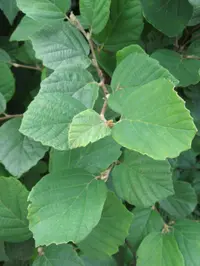
Witch alder, Fothergilla gardenii, is a compact, deciduous shrub valued for its spring flowers and strong autumn color. It usually forms a rounded, low-growing shape with dense branching.
In spring it produces white, bottlebrush-like flower spikes before the leaves, followed by blue-green foliage that turns orange, red, and yellow in fall. The species is native to the southeastern United States, where it grows in moist woodlands and boggy areas.
Due to its slow, steady growth and general pest resistance, many gardeners find it straightforward to care for witch alder in suitable conditions. It prefers sun to light shade, evenly moist soil, and good drainage.

Care Difficulty
Moderate Care

Light Preference
Partial Sun

Water Requirements
Regular Water

Temperature Preference
Cold Hardy

Hardiness Zone
5–8

Soil Texture
Loamy, Sandy, Organic-rich

Soil pH
Strongly acidic (4.5–5.5), Acidic (5.5–6.5)

Soil Drainage
Moist but well-drained

Fertilization
Minimal (feed rarely)
Scan your plant to receive care tips personalized for your specific plant
Available on iOS and Android
This compact shrub prefers bright sites with some protection from intense afternoon sun for best flowering and fall color.
This deciduous shrub prefers consistently moist, well-drained soil rather than cycles of drought and saturation.
This hardy shrub thrives in climates with cool to moderate summers and cold winters.
This shrub thrives in typical outdoor humidity and rarely needs special humidity management.
This shrub prefers consistently moist, acidic, well-structured soil with high organic content.
This species can adapt to container growing when provided with a stable, moisture-retentive setup.
This small witch alder shrub usually needs only light feeding in good garden soil.
Fothergilla gardenii benefits from light, well-timed pruning to maintain shape and flowering.
This shrub is usually grown in the ground, so focus on careful transplanting rather than frequent repotting.
Fothergilla gardenii is most often propagated by semi-ripe cuttings or division in suitable conditions.
This shrub is generally cold hardy and needs minimal winter care in most temperate gardens.

Plant Health Check
Not sure what's wrong with your plant? Check your plant's health inside the app.
This species occurs naturally in moist, acidic bogs, pocosins, and wet pine savannas of the southeastern United States, often growing in sites with fluctuating water levels that many other shrubs cannot tolerate.
Its leafless early-spring flowers form dense white spikes of showy stamens, which give a bottlebrush look and provide nectar and pollen for early-emerging bees before many other shrubs have started flowering.
Despite the common name witch alder, it is not related to true alders (genus Alnus) but instead belongs to the Hamamelidaceae, the witch hazel family, sharing with them the tendency to flower early in the season on bare wood.
Wild populations of this shrub are considered of conservation concern in parts of its native range, such as North Carolina, where habitat drainage, fire suppression in pine savannas, and land development have reduced the specialized wetland and open-woods habitats it depends on.
Lack of flowers is usually linked to too much shade, heavy or waterlogged soil, or pruning at the wrong time, which removes flower buds. Stress from drought or recent transplanting can also temporarily reduce bloom.
Keep your plants happy and healthy with plant identification, disease detection, and easy care guidance.