moth-fruit Care (Acridocarpus natalitius)

moth-fruit

About moth-fruit

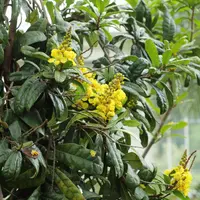
Moth-fruit, Acridocarpus natalitius, is a woody shrub or small climber native to eastern and southern Africa. In nature it often scrambles over other shrubs in warm, open habitats. It is grown for its small yellow flowers and decorative winged fruits, which give the plant a delicate, ornamental look. The foliage is usually small, neat, and arranged along slender stems. In cultivation, moth-fruit can be moderately challenging, as it prefers warm conditions, good light, and protection from frost. It responds best to a well-drained, sandy or loamy soil and steady, moderate moisture without waterlogging. Understanding how to care for moth-fruit helps maintain compact growth and regular flowering.

Main Plant Requirements

Care Difficulty

Moderate Care

Light Preference

Full Sun

Water Requirements

Moderate Water

Temperature Preference

Tropical / Frost Sensitive

Hardiness Zone

10–11

Soil Texture

Sandy, Loamy, Organic-rich

Soil pH

Acidic (5.5–6.5), Slightly acidic (6.5–7.0)

Soil Drainage

Well-drained

Fertilization

Light (every 4–6 weeks)

Get Personalized Care Plan

Scan your plant to receive care tips personalized for your specific plant

Available on iOS and Android

How to Care for the moth-fruit

This shrub prefers bright, warm conditions that mimic its native sunny scrub habitats.

  • Provide 4–6 hours of direct morning sun with light shade or filtered light in the harsh afternoon to prevent leaf scorch.
  • It tolerates light partial shade, but flowering on moth-fruit decreases if it receives fewer than 4 hours of direct sun per day.
  • In cooler months, allow more direct sun; in very hot summers, use overhead shade cloth or nearby taller plants to soften midday sun.

Acridocarpus natalitius prefers evenly moist but never waterlogged soil once established.

  • Allow the top 3–5 cm of soil to dry before deep watering, then soak the root zone thoroughly so water reaches 15–20 cm depth.
  • During active growth and flowering, increase frequency as needed, guided by soil dryness and slightly soft, drooping leaves as early drought signs.
  • Ensure sharply drained, sandy or loamy soil; yellowing, mushy roots or persistent surface wetness indicate overwatering, while crisp leaves and twig dieback indicate prolonged drought.

This species thrives in warm, frost-free climates with mild seasonal variation.

  • Optimal growth occurs at 65–80°F (18–27°C), which supports steady foliage development and flowering.
  • It tolerates brief dips to about 40°F (4°C) but suffers damage near freezing; protect from frost with covers or by planting in a sheltered microclimate.
  • In hot regions, plants handle 90–95°F (32–35°C) if soil moisture is maintained and roots are mulched to moderate temperature swings.

This species prefers moderately humid air but adapts if kept above very dry conditions.

  • Aim for 40–60% humidity, as very dry heated rooms can cause leaf edges to brown and buds to drop.
  • Moth-fruit tolerates brief dips to 30–35% humidity if soil moisture is steady and light is strong.
  • Increase humidity locally with grouped plants or a pebble tray, rather than misting, to reduce fungal risk.

This shrub prefers lean, fast-draining soil similar to light, sandy woodland or bushland conditions.

  • Use a sandy loam with 40–60% coarse sand or grit, 20–30% compost, and 20–30% general potting mix for structure.
  • Ensure sharp drainage so water runs through in seconds; roots are prone to rot if soil stays wet or heavy.
  • Keep pH slightly acidic to neutral, around 6.0–7.0, avoiding strongly alkaline mixes rich in limestone or ash.
  • Improve aeration by adding perlite or small pumice pieces and avoid dense clay, fine peat-only mixes, or compacted garden soil.

This species is suitable for container growing where space, drainage, and support are managed carefully.

  • Select a deep, slightly heavy pot to anchor the plant, as long shoots and supports can make it top-heavy in wind.
  • Choose a container material that matches your climate, such as unglazed terracotta in humid areas to let excess moisture evaporate faster.
  • Leave several centimeters between the root mass and pot wall to reduce overheating of roots in full-sun positions on patios.

Acridocarpus natalitius benefits from light, steady feeding during the warm growing season, especially in containers.

  • Use a balanced liquid fertilizer (for example 10-10-10) at 1/2–1/4 strength every 4–6 weeks in spring and summer.
  • For moth-fruit in pots, combine a slow-release balanced fertilizer in spring with occasional diluted liquid feeds.
  • In the ground, rely mainly on compost or well-rotted organic matter spread thinly around the root zone once a year.
  • Stop feeding in late fall and winter so growth can slow naturally and salts do not accumulate in cooler, low-light conditions.

Pruning Acridocarpus natalitius focuses on maintaining an open framework and supporting flowering on healthy wood.

  • Carry out structural pruning in late winter or very early spring before strong new growth begins.
  • Remove dead, diseased, crossing, or inward-growing branches first, then shorten excessively long shoots to shape the canopy.
  • Use sharp, clean bypass pruners and make angled cuts just above outward-facing buds or side branches.
  • Light tip-pruning after flowering encourages bushier growth and more flowering wood for the next season.

Container-grown plants or young landscape specimens benefit from thoughtful repotting or transplanting to avoid root stress.

  • Check for roots circling the pot, emerging from drainage holes, or unexplained slow growth as signals to move up 1 pot size every 2–3 years.
  • Plan transplanting or repotting for late winter to early spring, when active growth is about to resume but heat stress is low.
  • Gently tease apart circling roots, trim broken ones with clean tools, and set the plant at the same soil level in fresh, well-drained mix.
  • Water thoroughly after moving, then keep soil slightly moist and provide bright, sheltered conditions for 1–2 weeks to support recovery.

New Acridocarpus natalitius plants are most often produced from semi-ripe cuttings or seeds under warm, stable conditions.

  • Take semi-ripe stem cuttings in late spring or summer, 8–10 cm long, with a few leaves left at the tip.
  • Dip the cut end in rooting hormone, place in a free-draining mix, and keep at 70–75°F with high humidity and bright, indirect light.
  • Sow fresh seeds in spring in a sandy, well-drained medium, just barely covered, and maintain consistently warm, lightly moist conditions.
  • Reduce disturbance during rooting or germination, and provide gentle air movement to limit fungal issues.

This species is frost sensitive and needs protection in regions with cold winters, especially when grown in containers.

  • Move potted plants indoors or into a greenhouse before temperatures drop near 40°F, giving bright light and good air flow.
  • In mild climates, apply a 5–8 cm mulch layer around the root zone to buffer soil temperature, keeping mulch off the trunk.
  • Cover young outdoor plants during brief cold snaps with breathable fabric, avoiding plastic that traps condensation and cold on foliage.

Care Tips

Early framework training

Install a small trellis or fan of wires when the plant is young and tie new shoots loosely with soft ties, guiding 2–4 main stems to create an open, well-spaced framework that supports abundant flowering later.

Flowering flush management

After a main flush of flowers, lightly trim back only the spent flowering tips by 2–4 in to encourage a second wave of blooms while preserving the plant’s overall shape.

Container root control

For plants in pots, root-prune every 2–3 years by removing the plant, trimming 10–20% of the outer root mass, and replanting into the same or only slightly larger container to keep growth compact and blooming reliable.

Salt buildup prevention

Every 2–3 months, leach the pot thoroughly by running clean water through the mix until it drains freely for several minutes, which helps prevent fertilizer salt accumulation that can scorch fine feeder roots.

Targeted pest scouting

Inspect the undersides of leaves and young, soft shoots weekly with a hand lens so that early signs of scale, mealybugs, or spider mites are caught and treated promptly, which is critical for stable moth-fruit indoor care.

Common Pests and Diseases

Aphids

These insects cluster on tender shoots and flower buds, sucking sap and causing curling, distortion, and sticky honeydew on leaves. Symptoms include slowed growth and occasional sooty black mold growing on the honeydew deposits.

Solution

Rinse colonies off young stems and undersides of leaves with a firm stream of water, repeating every few days until numbers drop. For persistent infestations, apply insecticidal soap or a light horticultural oil, ensuring full coverage of new growth and avoiding treatment in direct hot sun.

Scale insects

These insects appear as small, immobile bumps along stems and leaf veins, drawing sap and causing yellowing, weak growth, and reduced flowering. This pest often goes unnoticed at first because it blends with the plant’s bark and stems.

Solution

Gently scrape or wipe individual scales off stems with a cotton swab dipped in isopropyl alcohol, then prune heavily infested twigs. Follow up with 2–3 applications of horticultural oil at 7–10 day intervals to target any remaining juveniles, and improve light and airflow to support plant vigor.

Spider mites

These pests thrive in hot, dry conditions, causing fine stippling on leaves, a dull appearance, and fine webbing on shoot tips. Symptoms include gradual yellowing and premature leaf drop if the plant is stressed for long periods.

Solution

Increase humidity around the plant and hose down foliage thoroughly, focusing on leaf undersides and between twining stems. For ongoing problems, use insecticidal soap or a miticide labeled for spider mites, repeating at 5–7 day intervals and avoiding water stress to support overall Acridocarpus natalitius plant care.

Leaf spot

This disease produces small brown or tan lesions on leaves that may expand, coalesce, and cause partial defoliation in humid, poorly ventilated conditions. Symptoms include spotting that often starts on older foliage or leaves that stay wet for long periods.

Solution

Remove and dispose of affected leaves promptly and avoid wetting foliage when watering. Improve spacing and airflow, and if spotting continues in warm, humid weather, apply a copper- or chlorothalonil-based fungicide according to label directions, treating both leaf surfaces.

Powdery mildew

This disease appears as a white to gray powdery coating on leaves and young shoots, leading to distorted new growth and reduced flowering. Symptoms include leaves that remain green underneath but look dull and dusty on the surface.

Solution

Increase light and airflow, avoid overhead watering, and prune congested interior shoots to reduce humidity around foliage. At first signs, treat with a sulfur, potassium bicarbonate, or horticultural oil product labeled for powdery mildew, repeating as directed until new growth emerges clean.

Interesting Facts

Unusual winged fruits

The plant produces flattened fruits with two broad, papery wings that help seeds glide short distances, giving rise to common names like moth-fruit and winged-fruit.

Ant-associated shrubs

Plants often host ants in the wild, especially on young stems and flower stalks, and these ants can help deter herbivores from feeding on the leaves and buds.

Fire-adapted habitat

In its native South African grasslands and bushveld, this species grows in regions where periodic fires occur, and its woody rootstock helps it resprout after fire damage.

Botan icon

Did you know?

In parts of southern Africa, this species is one of the characteristic shrubs of rocky outcrops and cliff faces, where its roots anchor into narrow crevices and allow it to withstand intense sun, wind, and thin, fast-draining soils that many other plants cannot tolerate.

FAQs about moth-fruit

Lack of flowers usually comes from insufficient light, pruning at the wrong time, or nutrient imbalance, especially excess nitrogen. Review Acridocarpus natalitius care basics, avoid heavy pruning before flowering season, and use a balanced, low-nitrogen fertilizer.

Grow Healthy Plants with Botan Care

Keep your plants happy and healthy with plant identification, disease detection, and easy care guidance.


Botan plant care app — identify plants on mobile

Explore More Plants