Viburnum mullaha Care

Viburnum mullaha

About Viburnum mullaha

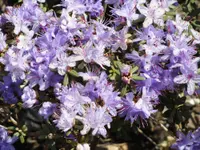
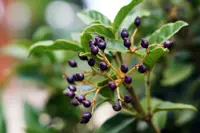
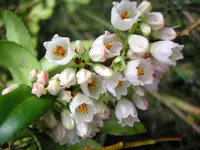
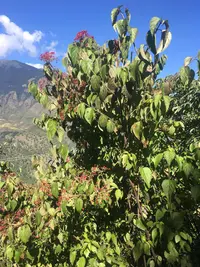
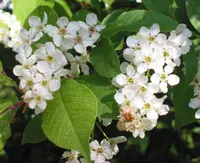
Viburnum mullaha is a deciduous shrub or small tree known for its dense branching, simple green leaves, and clusters of small white flowers followed by red to black berries. It forms a rounded crown and can be used as a screening shrub or as part of a mixed hedge in larger gardens.

This species is native to the Himalayan region, where it grows on forest edges and hillsides. It is generally considered adaptable and moderately easy to grow when given well-drained soil and regular moisture.

Understanding how to care for Viburnum mullaha starts with providing sun to light shade and avoiding very dry or waterlogged sites, which helps maintain healthy growth and flowering.

Main Plant Requirements

Care Difficulty

Moderate Care

Light Preference

Full Sun

Water Requirements

Moderate Water

Temperature Preference

Warm Climate

Hardiness Zone

Unknown

Soil Texture

Loamy, Sandy, Organic-rich

Soil pH

Acidic (5.5–6.5), Slightly acidic (6.5–7.0)

Soil Drainage

Moist but well-drained

Fertilization

Minimal (feed rarely)

Get Personalized Care Plan

Scan your plant to receive care tips personalized for your specific plant

Available on iOS and Android

How to Care for the Viburnum mullaha

This shrub prefers bright outdoor conditions with a balance of direct sun and partial shade for balanced growth.

  • Provide 4–6 hours of direct sun daily, ideally with morning sun and light afternoon shade to protect foliage from scorching in hotter regions.
  • Allow partial shade, especially in climates with strong summer sun; flowering may be lighter if it receives less than 3–4 hours of direct light.
  • In winter, full sun is beneficial, while in summer monitor leaves for bleaching or crisp edges, a sign that Viburnum mullaha is receiving too much intense afternoon sun.

This plant prefers evenly moist, well-drained soil rather than frequent shallow watering.

  • Water when the top 3–5 cm of soil feels dry, applying a slow, deep soak so moisture reaches the root zone without leaving the soil soggy.
  • During active growth in spring and summer, check soil weekly; in cooler or rainy seasons, reduce watering frequency and rely more on natural rainfall.
  • Watch for drooping, dry leaves and brittle twigs as signs of underwatering, and for yellowing leaves or soft stems as signs of excess moisture in Viburnum mullaha.

This hardy shrub tolerates a wide range of outdoor temperatures but grows best within moderate conditions.

  • Optimal growth occurs around 60–75°F (16–24°C), where foliage develops well and stress is minimal during the main growing season.
  • Mature plants generally tolerate cold down to about 10–15°F (-12 to -9°C); extended colder spells may damage young shoots and flower buds.
  • Heat tolerance is good up to about 90–95°F (32–35°C) if soil moisture is maintained; during hot, dry spells, mulch helps keep roots cooler and reduces temperature stress.

This shrub copes with a wide range of outdoor humidity and rarely needs special humidity management.

This shrub prefers deep, moist, well-drained loam with steady structure and aeration.

  • Use a loamy soil with 30–50% organic matter such as compost or leaf mold to support moisture retention and root health.
  • Ensure drainage by avoiding heavy, compacted clay; incorporate coarse sand or fine gravel if water lingers after rain or irrigation.
  • Aim for slightly acidic to neutral pH, around 6.0–7.0, adjusting with elemental sulfur or lime only if a soil test indicates extremes.
  • Avoid sites where water pools or dries to hard crusts, since alternating saturation and compaction restricts root oxygen and can stunt Viburnum mullaha.

This species can be grown in large outdoor containers when provided with stable, well-drained conditions.

  • Select a wide, heavy container to counterbalance the shrub’s woody top growth and reduce tipping in wind.
  • Use a deep pot that allows a 30–45 cm root zone so structural roots can anchor and support branching.
  • Choose a thick-walled clay or concrete pot if the site is hot, since these materials moderate soil temperature and slow rapid moisture loss.

This shrub benefits from light feeding but usually performs well in reasonably fertile garden soil.

  • Apply a balanced granular or slow-release fertilizer (such as 10-10-10) at half label rate once in early spring.
  • Supplement with a thin layer of compost around the root zone to support soil structure and microbial life.
  • Avoid summer overfeeding; excess nitrogen can produce weak, lanky growth and reduce flowering.
  • Stop feeding Viburnum mullaha in late summer so new shoots harden before winter.

Pruning supports a healthy framework and maintains natural form without heavy intervention.

  • Carry out main pruning just after flowering so next year’s flower buds are not removed.
  • Use clean, sharp bypass pruners or loppers to remove dead, diseased, or crossing branches at their base.
  • Thin congested interior shoots to improve light and air flow, keeping the shrub’s outline gently rounded.
  • Limit heading cuts to lightly shortening overly long stems, preserving the informal habit of Viburnum mullaha.

This species is most often grown in the ground, so focus on careful transplanting rather than frequent repotting.

  • Plan major moves for late fall or very early spring, when the plant is dormant and stress is lower.
  • Look for slow growth, stunting, or roots circling inside the planting hole or container as signs it has outgrown its space.
  • Dig a wide root ball, keep soil intact, and replant at the same depth in a well-drained, amended site.
  • Water thoroughly after transplanting Viburnum mullaha and maintain even moisture for several weeks to support root recovery.

Propagation is usually done by cuttings or seeds, with layering as a slower but reliable option.

  • Take semi-ripe cuttings in late summer, using 10–15 cm shoots with 2–3 nodes, and remove lower leaves.
  • Dip bases in rooting hormone and insert into a moist, free-draining medium under high humidity and bright shade.
  • Sow cleaned seeds in fall outdoors or use cold stratification at 35–40°F for several months before spring sowing.
  • For simple layering, bend a low branch to the soil, wound slightly, pin down, cover with soil, and sever once well rooted.

This shrub is generally cold hardy in temperate climates and needs only modest winter preparation in the ground.

  • In colder regions, apply a 5–8 cm mulch layer over the root zone, keeping it slightly away from the main stems.
  • Avoid late-season nitrogen feeding so shoots mature and tolerate frost more effectively.
  • For container plants, move pots into an unheated garage or sheltered area to prevent rootball freezing and thawing cycles.

Care Tips

Use wind-training stakes

In exposed sites, use 2–3 low, flexible stakes with soft ties for the first 1–2 years to help the young shrub establish a strong, upright framework without rocking in the wind.

Encourage strong framework

In late winter, selectively shorten a few of the longest, upright shoots by 15–25% to promote branching at different heights, which improves long-term structure and fruiting wood rather than letting it become top-heavy.

Mulch for root cooling

Apply a 5–8 cm layer of coarse organic mulch out to the drip line, keeping it 5–8 cm away from the stems, to keep roots cooler in summer and reduce stress during dry, hot periods when growing Viburnum mullaha.

Fruit and seed management

If self-sown seedlings are a concern, remove the majority of ripe fruit clusters promptly after color change, leaving only a few for wildlife, which limits unwanted spread but still supports local birds.

Prevent snow breakage

In regions with heavy, wet snow, gently tie outer branches in toward the center with soft twine in late fall to create a tighter form that is less likely to splay or break under snow load.

Common Pests and Diseases

Viburnum leaf beetle

This pest feeds on leaves in both larval and adult stages, causing skeletonized foliage and severe defoliation. Symptoms include brown, lace-like leaves and rapid thinning of the canopy.

Solution

Prune and destroy egg-laden twig tips during winter and early spring, then remove heavily infested shoots as soon as feeding damage appears. Where pressure is high, use a targeted insecticide such as spinosad or a pyrethroid labeled for viburnum, applying thoroughly to foliage just as larvae begin hatching, and repeat according to label if needed.

Aphids

These insects cluster on young shoots and leaf undersides, sucking sap and causing leaf curling, distortion, and sticky honeydew that can lead to sooty mold. New growth may appear stunted and misshapen.

Solution

Dislodge colonies with a firm spray of water, then monitor new growth closely. If populations persist, treat with insecticidal soap or neem oil, covering leaf undersides and repeat at 5–7 day intervals until numbers drop, while encouraging natural predators such as lady beetles by avoiding broad-spectrum insecticides.

Powdery mildew

This disease causes a white, powdery coating on upper leaf surfaces, especially in dense, shaded, or humid conditions. Affected leaves may yellow, distort, and drop prematurely, reducing plant vigor.

Solution

Improve air circulation by selective thinning of crowded stems and avoid overhead watering late in the day. Remove and discard heavily infected leaves, and if the problem recurs each year, apply a labeled fungicide such as sulfur, potassium bicarbonate, or a systemic triazole early in the season at the first sign of spotting, repeating as directed.

Leaf spot (fungal)

This disease produces small brown to purple leaf spots that can merge into larger blotches, sometimes with yellow halos. Severe infections cause early leaf drop and a sparse, weakened plant.

Solution

Rake and dispose of fallen leaves, then prune to open the canopy and allow faster drying of foliage. In landscapes with a history of problems, start a preventive spray program with a labeled fungicide containing chlorothalonil, mancozeb, or copper at leaf emergence and repeat during wet periods, while avoiding overhead irrigation where possible.

Scale insects

These insects appear as small, dome-shaped or flattened bumps on stems and sometimes leaves, sucking sap and weakening the plant over time. Symptoms include yellowing foliage, reduced growth, and sometimes sticky honeydew on nearby surfaces.

Solution

Inspect stems closely and prune out heavily infested branches, disposing of them away from the planting area. For remaining populations, apply horticultural oil during the dormant season to smother overwintering stages, and in the growing season time a second oil or insecticidal soap spray to coincide with crawler emergence as indicated by local extension guidance on Viburnum mullaha care instructions.

Interesting Facts

Himalayan mid-elevation shrub

This viburnum is native to the mid-elevation Himalaya, typically found between about 1,000–3,000 m in montane forests, forest edges, and shrubby slopes where summers are cool and winters can be cold.

Bird-dispersed red drupes

The plant produces bright red, fleshy drupes in clusters that are eaten by birds and other wildlife, which then disperse the seeds across steep slopes and forest edges.

Traditional wood uses

In parts of its native range, the hard, fine-grained wood has been used locally for making small tools and handles, reflecting its moderate density and workable texture.

Botan icon

Did you know?

In the Himalaya, this species often grows as part of mixed broadleaf communities beneath trees such as oaks and maples, where its dense branching and fruit production provide both structural habitat and seasonal food resources for understory birds and small mammals.

FAQs about Viburnum mullaha

Poor flowering usually results from insufficient light, heavy pruning at the wrong time, or nutrient imbalance with too much nitrogen. Late frosts can damage buds. Prune only after flowering and use a balanced, slow‑release fertilizer in spring.

Grow Healthy Plants with Botan Care

Keep your plants happy and healthy with plant identification, disease detection, and easy care guidance.

Botan plant care app — identify plants on mobile

Explore More Plants