red baneberry Care (Actaea rubra)

Also known as: baneberry, western red baneberry
red baneberry

About red baneberry

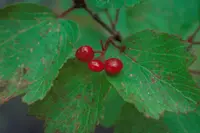
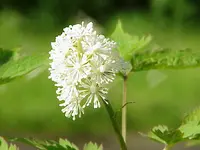
Red baneberry, Actaea rubra, is a perennial woodland plant known for its bright red berries and finely divided, fernlike foliage. It typically forms low clumps with upright stems topped by small white flower clusters in late spring.

This species is native to cool, shady forests of North America, often growing in moist, humus-rich soil under trees and shrubs. It prefers consistent moisture and shade to part shade, which influences how to care for red baneberry in garden settings.

Red baneberry is not a beginner-friendly plant in hot or dry climates because it dislikes drought, heat, and disturbed soil. In suitable cool, shaded gardens, it can be a long-lived, low-maintenance plant once established.

Main Plant Requirements

Care Difficulty

Moderate Care

Light Preference

Partial Shade

Water Requirements

Keep Soil Moist

Temperature Preference

Cold Hardy

Hardiness Zone

3–7

Soil Texture

Loamy, Silty, Organic-rich

Soil pH

Acidic (5.5–6.5), Slightly acidic (6.5–7.0)

Soil Drainage

Moist but well-drained

Fertilization

Minimal (feed rarely)

Get Personalized Care Plan

Scan your plant to receive care tips personalized for your specific plant

Available on iOS and Android

How to Care for the red baneberry

This woodland perennial prefers cool, dappled light that mimics a forest understory.

  • Provide partial to full shade, with 1–3 hours of gentle morning sun or bright filtered light under trees.
  • Avoid strong midday or afternoon sun, which can scorch leaves, cause leaf curl, and dry the soil too fast for red baneberry.
  • In summer, increase shade or add mulch if foliage pales or burns; in early spring, it tolerates a bit more light before trees fully leaf out.

This species thrives in consistently moist, humus-rich soil that never stays waterlogged.

  • Water when the top 2–4 cm of soil feels slightly dry, aiming for evenly moist conditions rather than cycles of wet and dry.
  • During hot, dry periods, increase watering and mulching if leaves droop or edges crisp, signs that Actaea rubra is under-watered.
  • Ensure soil drains well; soggy ground, yellowing foliage, or a sour smell indicate poor drainage and possible root rot, requiring less water and improved aeration.

This plant is adapted to cool, temperate woodland climates with marked seasonal changes.

  • Optimal growth occurs around 55–75°F (13–24°C), especially in cool springs and mild summers.
  • Established clumps tolerate winter cold down to about -20°F (-29°C) under mulch and snow, surviving deep dormancy.
  • In heat above 85°F (29°C), provide extra shade and moisture; prolonged hot, dry spells can stress foliage, but new growth typically resumes in cooler weather.

This woodland perennial prefers moderately moist air but adapts to typical outdoor humidity in most temperate regions.

  • Aim for 40–60% humidity in shaded garden positions, similar to a cool forest understory.
  • Plants tolerate brief drier air if soil moisture is stable, but prolonged hot, dry winds can stress foliage.
  • Crisping leaf edges or drooping in shaded sites indicate humidity or moisture stress; use mulch and nearby plantings to retain ambient humidity.

Actaea rubra grows best in consistently moist, humus-rich soil with steady drainage.

  • Use a loamy, organic-rich soil built from garden loam, leaf mold or compost, and a small amount of coarse sand for structure.
  • Ensure soil drains freely yet stays evenly damp; avoid spots where water stands after rain or dries to hard, cracked clods.
  • Target slightly acidic to neutral pH, around 5.5–7.0, which favors nutrient availability and root health.
  • Improve aeration and drainage by working in shredded bark or fine pine mulch rather than heavy clay-only substrates.

This woodland species can be grown in containers if moisture and depth are carefully managed.

  • Choose a deep, heavy container to support tall stems and prevent tipping in wind.
  • Use a moisture-retentive mix with compost and fine bark in a pot with large drainage holes to balance wetness and aeration.
  • Position the container in cool, dappled shade to reduce evaporation and temperature swings that stress roots.

This woodland perennial needs only light feeding in most garden soils.

  • Use a thin layer of compost or leaf mold in early spring to mimic its natural forest habitat.
  • If growth is weak, apply a balanced slow-release fertilizer (for example 10-10-10) at half strength once in spring.
  • Avoid midsummer and late-season feeding so new growth hardens before winter; stop during dormancy.

Pruning needs for Actaea rubra are minimal and focus on cleanliness and appearance.

  • Cut back dead or winter-damaged stems in early spring using clean hand pruners.
  • Remove yellowing, diseased, or broken foliage whenever noticed to maintain airflow around the clump.
  • Optional: deadhead spent flower stems before berries form if you want to reduce self-seeding and tidy the plant.
  • Avoid heavy cutting into healthy green stems, as this offers little benefit for shape or vigor.

This species is usually grown in the ground and is moved only when necessary.

  • Transplant in early spring or early fall, when temperatures are mild and soil is moist.
  • Look for signs like crowded clumps, stunted growth, or poor flowering as indicators it may need lifting and dividing.
  • Dig a wide hole, keeping as much root and surrounding soil intact as possible to limit stress.
  • Replant at the same depth, water deeply, and apply mulch to stabilize soil moisture while roots re-establish.

Actaea rubra is most often propagated by seed or careful division of mature clumps.

  • Sow fresh seed outdoors in fall; natural cold stratification over winter improves germination in spring.
  • For controlled seed work, chill cleaned seed in moist medium at 35–40°F for 2–3 months before sowing.
  • Divide well-established clumps in early spring, keeping several buds and roots on each section.
  • Replant divisions promptly into cool, consistently moist soil and shade them from strong sun until re-established.

This woodland perennial is cold hardy across much of its range and usually needs only basic winter care.

  • After frost kills foliage, cut stems back close to ground level to reduce disease carryover.
  • Apply a 5–8 cm layer of leaf mold or bark mulch around the crown to buffer freeze–thaw cycles.
  • Container-grown plants benefit from moving into a sheltered, unheated but frost-moderated spot for winter.

Care Tips

Woodland-style mulching

Apply a 5–8 cm layer of shredded leaf mold or fine bark around the clump each spring to mimic forest litter, suppress weeds, and keep the shallow roots cool and evenly moist.

Gentle clump division

Divide overcrowded clumps in early spring while shoots are under 5 cm tall, keeping each division with several buds and replanting immediately at the same depth to maintain vigor without stressing the plant.

Strategic companion planting

Plant alongside taller, lightly shading perennials like ferns or hostas to protect foliage and berries from direct afternoon sun and to help maintain the consistently cool, moist soil this species prefers.

Seed safety management

If small children or pets use the garden, remove ripening berry stalks before they fully color and dispose of them securely, since caring for red baneberry requires consideration of its toxic but ornamental fruit.

Moisture-buffering layout

Site plants slightly downslope from a path or bed edge, not in a depression, so they benefit from extra runoff moisture without sitting in standing water after heavy rain.

Common Pests and Diseases

Leaf spot

This disease causes irregular brown to black spots on leaves, often with yellow halos, and can lead to premature leaf drop in damp woodland beds.

Solution

Remove and discard affected leaves, avoid overhead watering, and thin nearby vegetation to improve airflow; in repeatedly wet seasons, a copper-based fungicide labeled for ornamentals can be used as a preventative on emerging foliage according to label directions.

Powdery mildew

This disease appears as a white to gray powdery coating on upper leaf surfaces, leading to distorted, dull, and sometimes scorched-looking foliage in shaded, humid sites.

Solution

Increase light and air movement by spacing plants well, remove heavily infected leaves, water at soil level in the morning, and if needed apply a sulfur or potassium bicarbonate fungicide labeled for powdery mildew early in the infection cycle.

Rust

This disease produces small orange to rust-colored pustules on the undersides of leaves and may cause yellowing and early leaf drop in moist, shaded plantings.

Solution

Promptly remove and destroy infected leaves, avoid overhead irrigation, clean up fallen plant debris in autumn, and in sites with recurring problems consider a preventive application of a labeled rust fungicide on new growth in spring.

Sawfly larvae

These insects skeletonize or strip foliage, leaving only leaf veins, and can quickly defoliate small clumps in early to mid-summer.

Solution

Inspect plants regularly and handpick or shake larvae into soapy water, encourage natural predators by maintaining plant diversity, and if damage is heavy use a targeted insecticidal soap or spinosad product, making sure to coat the undersides of leaves.

Leaf beetles

These insects chew small to large holes in leaves, sometimes leaving foliage ragged and reducing the plant’s vigor over the season.

Solution

Monitor plants frequently, remove beetles by hand into soapy water, limit nearby weedy hosts, and in persistent infestations use a pyrethrin or neem-based spray directed at beetles in the early morning, avoiding open flowers and beneficial insects as much as possible for Actaea rubra care.

Interesting Facts

Highly toxic berries

The bright red berries contain cardiogenic toxins that can affect the heart and are considered poisonous to humans, especially children, if eaten even in small quantities.

Berries built for birds

Despite their toxicity to humans, the berries are an important food source for some bird species, which can digest the fruits and disperse the seeds without harm.

Cold-climate specialist

This species is naturally distributed across cool, moist forests of northern North America, where it thrives in shaded understories and along streambanks in rich, humus-heavy soils.

Botan icon

Did you know?

The plant produces unusually thick, pale stalks that hold the berries above the foliage, creating a visual display that has led to common names like red baneberry and doll's eyes, which help attract birds while also warning mammals away.

FAQs about red baneberry

All parts, especially the berries and roots, are highly toxic if eaten. Ingestion may cause nausea, vomiting, dizziness, breathing difficulty, and heart issues. Children and pets should not have access to this species.

Grow Healthy Plants with Botan Care

Keep your plants happy and healthy with plant identification, disease detection, and easy care guidance.

Botan plant care app — identify plants on mobile

Explore More Plants