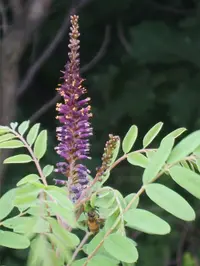
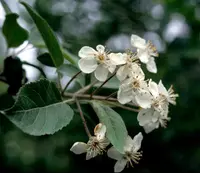
Wallaby Apple Care (Pittosporum spinescens)

Also known as: Large-fruited Orange Thorn
Wallaby Apple

About Wallaby Apple

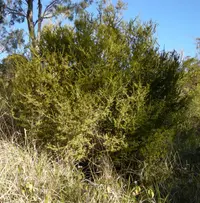
Wallaby apple, Pittosporum spinescens, is a dense, spiny shrub or small tree native to dry woodlands and rocky areas of Australia. It forms a compact, twiggy canopy with small, leathery leaves and rounded, pale fruits that split to reveal bright seeds. This species is adapted to hot, low-rainfall environments and poor, stony soils, which makes it naturally tough and drought-tolerant. Its slow to moderate growth and strong branching can suit low-maintenance, defensive hedging in suitable climates. Light, well-drained soil and full sun to light shade generally support healthy growth, and understanding these origins helps guide how to care for Wallaby Apple.

Main Plant Requirements

Care Difficulty

Easy Care

Light Preference

Full Sun

Water Requirements

Low Water

Temperature Preference

Warm Climate

Hardiness Zone

9–11

Soil Texture

Sandy, Loamy, Rocky

Soil pH

Slightly acidic (6.5–7.0), Neutral (7.0)

Soil Drainage

Well-drained

Fertilization

Minimal (feed rarely)

Get Personalized Care Plan

Scan your plant to receive care tips personalized for your specific plant

Available on iOS and Android

How to Care for the Wallaby Apple

This shrub prefers bright conditions typical of open woodland edges and light-filled gardens.

  • Provide 6–8 hours of sun daily; morning sun with light afternoon shade suits Wallaby Apple in hotter regions.
  • Tolerates partial shade (around 3–4 hours direct sun), but growth may be looser and flowering reduced in dense shade.
  • In hot summers, protect from harsh west-facing afternoon sun to prevent leaf scorch; in winter, a more open position maximizes low-angle light.

This species prefers to dry slightly between waterings and dislikes waterlogged conditions.

  • In the ground, water deeply only when the top 5–8 cm of soil is dry; allow water to soak the root zone, then drain away fully.
  • During hot, dry periods, increase frequency based on soil feel and leaf signs; dull, folding, or slightly wilted leaves indicate the need for a thorough soak.
  • Avoid soggy clay or poorly drained spots, which can cause root rot; yellowing leaves, soft stems, or a sour soil smell signal overwatering in Pittosporum spinescens.

This drought-tolerant shrub handles a wide temperature range once established.

  • Optimal growth occurs around 65–80°F (18–27°C), typical of mild to warm climates with low to moderate humidity.
  • Mature plants tolerate brief drops to about 25°F (−4°C); younger plants need protection from hard frost and cold, drying winds.
  • Handles summer heat up to 95–100°F (35–38°C) if soil is not waterlogged; mulch roots and avoid reflected heat from walls during extreme heat waves.

Humidity is rarely a concern for this tough, dryland shrub.

This shrub prefers freely draining, slightly coarse mineral soils that do not stay wet.

  • Use a sandy or gravelly loam with 20–40% coarse sand or fine gravel to mimic its native rocky habitats.
  • Ensure very sharp drainage; raised beds or mounded planting help water clear the root zone quickly after rain or irrigation.
  • A slightly acidic to neutral pH (6.0–7.5) suits Pittosporum spinescens, though it tolerates modest alkalinity on calcareous sites.
  • In heavier soils, amend thoroughly with grit and a small amount of compost to improve aeration while avoiding waterlogged pockets.

This species can adapt to container growing if drainage and stability are managed carefully.

  • Choose a deep, heavy pot that resists tipping as the shrub becomes woody and develops a broad canopy.
  • Select a mineral-rich, gritty mix and allow the top 3–5 cm to dry before thorough watering to prevent chronic sogginess.
  • Elevate the pot on feet or bricks so drainage holes stay clear and runoff moves away quickly, especially after heavy rain.

This drought-adapted shrub needs only light feeding in most garden soils when growing Wallaby Apple in cultivation.

  • Use a balanced slow-release fertilizer (around 10-10-10) or a thin layer of compost at the start of spring.
  • Feed once in spring, and in poorer soils a second light application in midsummer is enough.
  • Apply at half the label rate for shrubs to avoid forcing soft, weak growth.
  • Stop feeding in late summer so new shoots harden before cooler weather.

Pittosporum spinescens responds well to light, deliberate pruning to maintain size and structure.

  • Carry out structural pruning in late winter or early spring before active growth starts.
  • Remove dead, damaged, crossing, or congested branches first to improve air flow and light penetration.
  • Use sharp bypass hand pruners for small stems and a clean pruning saw for thicker wood.
  • Shorten long shoots selectively to shape the plant while preserving its natural, twiggy form.

This shrub is usually grown in the ground; transplanting is more common than container repotting.

  • Transplant in late winter or early spring when growth is just about to resume.
  • Look for signs such as slow growth, poor vigor, or roots circling a nursery pot if container-grown.
  • Move up only 1 pot size, using a free-draining mix, and keep the root ball intact to limit shock.
  • Water deeply after planting, then keep soil evenly moist but not saturated until new growth appears.

Pittosporum spinescens is typically propagated from semi-hardwood cuttings or seeds under controlled conditions.

  • Take semi-hardwood cuttings in late summer, 8–12 cm long, with 2–3 leaf nodes.
  • Dip the cut end in a low to medium strength rooting hormone and place in a well-drained, sandy mix.
  • Maintain bright, indirect light, high humidity, and consistent warmth around 70–75°F for rooting.
  • Sow fresh seeds in autumn or spring, lightly covered, in a gritty mix and keep just moist.

This species is moderately cold tolerant and in many mild climates needs little specific winter care.

  • In regions with frost, apply a 5–8 cm mulch layer around the root zone, keeping it off the stem.
  • Young or container plants in zones near the hardiness limit benefit from a sheltered position.
  • Move pots under cover or against a warm wall during hard freezes to reduce root stress.

Care Tips

Branch thinning

Periodically remove a few crowded interior branches rather than just tip-pruning so light and air reach the center, which helps maintain dense but healthy growth and reduces fungal issues when caring for Wallaby Apple.

Salt-aware placement

In coastal or roadside sites, take advantage of this species’ good salt tolerance by planting it as a low protective screen, but monitor leaf edges for burn if exposed to direct runoff from de-icing salts or heavily salted pools.

Wildlife-friendly spacing

Space plants 60–100 cm apart in a staggered row so the spiny structure knits into an effective wildlife habitat hedge without creating an impenetrable thicket that is difficult to access for maintenance.

Regenerative coppicing

On older, woody shrubs with poor foliage, cut back one-third of the oldest stems close to the base every 2–3 years during the dormant season to stimulate vigorous new shoots while keeping some structure intact.

Seed collection timing

For propagation, collect fruits when they turn from green to yellowish and start to split, then clean and sow the fresh seed promptly, as viability declines if the seed is stored too long in warm, humid conditions.

Common Pests and Diseases

Black Pittosporum psyllid

This pest forms small, dark, sap-sucking nymphs and adults on young stems and leaves, often causing distortion and sticky honeydew. Symptoms include cupped new growth, sooty mold on leaves, and reduced vigor.

Solution

Prune out and destroy heavily infested shoot tips, then hose down foliage to remove nymphs and honeydew. If needed, apply a horticultural oil or insecticidal soap to young growth at 7–10 day intervals, making sure to coat the undersides of leaves where psyllids cluster.

Soft scale

These insects appear as small, dome-shaped bumps along stems and leaf midribs, producing large amounts of honeydew that lead to sooty mold. This pest weakens plants over time by feeding on sap and may attract ants.

Solution

Wipe or gently scrape off accessible scales, then wash foliage with a mild soapy water solution to remove honeydew and mold. For persistent infestations, use a horticultural oil spray during mild weather, repeating as needed and also managing ants so natural predators can access the scales.

Sooty mold

This disease presents as a superficial black, soot-like coating on leaves and stems that grows on honeydew excreted by sap-sucking insects. Symptoms include dull, blackened foliage that may photosynthesize less efficiently but usually remains alive underneath the mold.

Solution

Address the underlying honeydew-producing pests such as psyllids or scale, then gently wash affected leaves with water or a mild soapy solution to remove the mold. Improve light and airflow around the shrub by thinning dense interior branches so foliage dries quickly after rain or irrigation.

Leaf spot

This disease causes small brown to dark purple spots on leaves that may merge into larger blotches, sometimes with a yellow halo. Symptoms include premature leaf drop on stressed plants, especially in humid or shaded conditions.

Solution

Remove and dispose of affected leaves from the plant and ground to reduce inoculum, and avoid overhead watering so foliage stays dry. Improve spacing and airflow, and in severe, recurring cases consider a labeled copper or broad-spectrum fungicidal spray applied during extended wet periods.

Interesting Facts

Spiny drought specialist

This species forms dense, spiny branches and small, tough leaves that greatly reduce water loss, helping it survive in some of the driest rocky hills and scrub habitats of eastern Australia.

Edible aromatic fruit

The yellow, grape-sized fruits are pleasantly sweet and aromatic when fully ripe and have long been eaten in small amounts by First Nations Australians and bush foragers, although the sticky seeds are not consumed.

Important habitat shrub

Its stiff, tangled, and spiny growth provides secure nesting and refuge sites for small birds and shelter for reptiles in open woodland and rocky outcrops, increasing structural diversity in otherwise sparse vegetation.

Botan icon

Did you know?

The seeds are embedded in a very sticky resinous pulp that can adhere to the feathers or fur of animals, aiding in seed dispersal while also deterring many potential seed predators through its glue-like texture and bitter taste.

FAQs about Wallaby Apple

Growth is generally slow to moderate. In suitable outdoor conditions, it may add around 10–25 cm of new growth per year, forming a dense, rounded shrub over many years rather than quickly becoming large.

Grow Healthy Plants with Botan Care

Keep your plants happy and healthy with plant identification, disease detection, and easy care guidance.

Botan plant care app — identify plants on mobile

Explore More Plants