Achillea barrelieri Care

Achillea barrelieri

About Achillea barrelieri

Achillea barrelieri is a compact, clump-forming perennial from the eastern Mediterranean, related to the common yarrow. It typically forms low mounds of finely divided, aromatic foliage with flat-topped clusters of small, usually pale-colored flower heads.

The plant prefers sunny, open sites and is adapted to dry, rocky, or well-drained soils, which makes it suitable for low-maintenance gardens and naturalistic plantings. Its drought tolerance and general toughness reduce the effort needed to care for Achillea barrelieri, as long as the site is not shaded or waterlogged.

Main Plant Requirements

Care Difficulty

Easy Care

Light Preference

Full Sun

Water Requirements

Low Water

Temperature Preference

Cold Hardy

Hardiness Zone

4–8

Soil Texture

Sandy, Loamy, Rocky

Soil pH

Slightly acidic (6.5–7.0), Slightly alkaline (7.0–7.5)

Soil Drainage

Well-drained

Fertilization

Minimal (feed rarely)

Get Personalized Care Plan

Scan your plant to receive care tips personalized for your specific plant

Available on iOS and Android

How to Care for the Achillea barrelieri

This sun-loving perennial thrives in open, bright positions with long daily exposure.

  • Provide 6–8 hours of direct sun daily; full sun promotes compact growth and abundant flowering in Achillea barrelieri.
  • Tolerates light afternoon shade in hotter regions, but flowering and stem strength decline in sites with less than 4–5 hours of sun.
  • In summer, avoid reflected heat from walls or pavement that can scorch foliage; in early spring and late fall, choose the brightest, least-shaded spot available.

This species prefers dry to moderately moist conditions and responds poorly to frequent, shallow watering.

  • Allow the top 5–7 cm of soil to dry between soakings; established in-ground plants in well-drained soil often need only occasional deep watering in summer.
  • Use gritty, fast-draining soil to prevent root rot; water slowly until excess drains away, then let the soil dry rather than staying constantly damp.
  • Reduce watering in cool seasons, watching for limp, dull foliage and curling leaves as signs of drought stress, and yellowing, mushy stems as signs of overwatering.

This hardy perennial tolerates a wide temperature range but flowers best in moderate warmth.

  • Optimal growth occurs around 65–80°F (18–27°C), with strong stems and steady flowering in sunny, open beds.
  • Established plants survive winter down to about -20°F (-29°C) in well-drained soil, but new plantings benefit from protection from repeated freeze–thaw cycles.
  • In hot summers above 90°F (32°C), flowering may slow; ensure soil drainage and consider light afternoon shade to limit heat stress and foliage scorch.

This species prefers dry air and typical outdoor humidity and rarely suffers from low humidity indoors or outdoors.

This plant prefers lean, well-drained mineral soil that does not stay wet after rain or watering.

  • Use sandy or gritty loam with 30–50% coarse sand or fine gravel to keep the root zone open and fast-draining.
  • Aim for slightly alkaline to neutral soil, around pH 6.8–7.8, and avoid highly acidic mixes.
  • Blend a small amount of compost into the top layer only; too much organic matter encourages weak, floppy growth and rot.
  • For Achillea barrelieri in heavy native clay, amend the planting zone deeply with coarse sand and grit to improve aeration and drainage.

This species can be grown in containers if the pot prevents waterlogging and supports its spreading clumps.

  • Choose a wide, low container that allows horizontal rhizome spread while preventing the plant from becoming top-heavy in wind.
  • Select a terracotta or other porous pot material to help excess moisture evaporate more quickly in wet climates.
  • Raise the container on feet or pot risers so drainage holes stay clear and water does not pool under the base after rain or irrigation.

This drought-tolerant perennial needs only light feeding in most garden soils.

  • Apply a thin layer of compost around plants in early spring to support new growth.
  • Use a balanced, slow-release fertilizer at half strength once in spring if soil is poor.
  • Avoid high-nitrogen products, which reduce flowering and cause floppy stems.
  • Do not feed Achillea barrelieri in late fall or winter, as growth is minimal.

Thoughtful pruning keeps Achillea barrelieri compact and encourages repeat flowering.

  • Deadhead spent flower heads in summer using clean hand pruners to extend bloom.
  • Remove dead, damaged, or weak stems at the base in early spring to refresh the clump.
  • Shear back stems by about one-third after the first flush of blooms to shape the plant.
  • Cut all top growth to just above ground level in late fall or very early spring.

This species is usually grown in garden beds, so transplanting is more common than repotting.

  • Transplant in early spring or early fall when temperatures are mild and soil is workable.
  • Move plants if growth declines, clumps thin out, or stems flop due to overcrowding.
  • Lift the clump carefully with a fork, keeping a generous soil ball around the roots.
  • Replant at the same depth in well-drained soil, water thoroughly, then keep evenly moist until reestablished.

Propagation of Achillea barrelieri is straightforward through division, cuttings, or seeds.

  • Divide mature clumps in early spring or early fall, replanting vigorous outer sections.
  • Take 5–8 cm softwood stem cuttings in late spring, and root in a free-draining, sandy mix.
  • Sow seeds in late winter to early spring on the surface of light seed compost, as they need light to germinate.
  • Maintain 65–70°F, bright indirect light, and lightly moist media until roots or seedlings establish.

This hardy perennial typically needs minimal winter care in most temperate climates.

  • Plants tolerate normal garden frost once established, provided soil drains well.
  • After hard frost, cut back dry stems near ground level to reduce disease carryover.
  • Apply a light 3–5 cm mulch in colder regions to buffer freeze–thaw cycles around roots.
  • Container-grown plants benefit from moving to a sheltered, unheated but frost-free spot.

Care Tips

Deadhead Strategically

Cut spent flower stems back to just above a lower branching point every 1–2 weeks in bloom to extend flowering and reduce unwanted self-seeding when growing Achillea barrelieri.

Shear For Reflush

After the main flush of flowering, shear the whole clump back by about one-third and lightly water in to encourage fresh, compact growth and a lighter second bloom.

Provide Wind Buffer

In open, windy sites, plant near low shrubs or install discreet short stakes and soft ties before stems reach full height to prevent lodging and snapped flower stalks.

Control Self-Sowing

If volunteer seedlings are not desired, remove seed heads before they dry fully, dispose of them with yard waste, and mulch lightly in autumn to reduce next season’s seedlings.

Monitor For Rust

Check lower foliage regularly for orange-brown pustules; if rust appears, remove and bin affected leaves, improve air circulation around the clump, and avoid overhead watering to limit spread.

Common Pests and Diseases

Powdery mildew

This disease shows as white to gray, powdery patches on leaves and stems, often appearing in crowded, humid conditions. Symptoms include distorted growth and reduced flowering if it becomes severe.

Solution

Improve air circulation by thinning nearby plants and avoid overhead watering so foliage dries quickly. Remove heavily affected stems, dispose of them in the trash, and apply a sulfur or potassium bicarbonate fungicide labeled for ornamentals at the first signs of infection, following label directions closely.

Botrytis blight

This disease causes tan to brown spots on flower heads and leaves that develop a fuzzy gray mold, especially in cool, damp weather. Symptoms include blighted flower clusters and a general decline in display quality.

Solution

Promptly remove and discard spent or moldy flower heads and any affected foliage to reduce spore levels. Increase spacing and airflow, water at soil level in the morning, and if conditions stay wet, use a labeled ornamental fungicide targeting Botrytis on new growth and buds.

Aphids

These insects cluster on young stems and flower stalks, sucking sap and causing curling or distortion of tender growth. This pest also excretes sticky honeydew that can attract sooty mold on nearby foliage.

Solution

Spray colonies off with a strong stream of water and pinch off heavily infested shoot tips. If needed, apply insecticidal soap or a light horticultural oil in the early morning, coating stems and the undersides of leaves, and repeat as label directions require while protecting visiting pollinators.

Spittlebugs

These insects create frothy white masses on stems and leaf axils while feeding on plant sap. This pest rarely kills plants but can cause minor distortion and reduces the ornamental appearance of flower stems.

Solution

Rinse off the foam masses and insects with a firm stream of water directed at the stems. In situations with heavy pressure, cut back and discard the most affected stems after flowering, and reduce excess thatch or dense groundcover nearby where nymphs shelter.

Leaf spot complex

This disease group produces small, round to irregular brown spots on leaves that may merge, causing partial dieback of lower foliage, especially in warm, wet periods. Symptoms include thinning of the basal mound while flower stems remain mostly unaffected.

Solution

Remove and discard spotted, yellowing lower leaves and any plant debris around the crown to lower inoculum levels. Water at the base, avoid frequent light irrigation, and if spots spread rapidly, use a broad-spectrum ornamental foliar fungicide and rotate products according to label guidance to slow resistance, an approach often included in Achillea barrelieri care instructions.

Interesting Facts

Balkan dry-steppe specialist

This species is naturally restricted to dry, rocky and steppe-like habitats in the central and eastern Balkans, often growing on limestone slopes and open scrub where few other perennials tolerate the heat and low moisture.

Distinctive pale flower heads

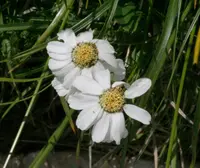
It forms broad, flat-topped clusters of off-white to creamy flower heads with a slight greenish tint, which distinguishes it from the brighter yellow and stronger-colored yarrow relatives more common in gardens.

Low, spreading growth form

Compared with many other yarrow species, it typically stays lower and forms a wider, more spreading clump, creating a loose mat that helps stabilize thin, stony soils in its native range.

FAQs about Achillea barrelieri

This species is highly attractive to bees, hoverflies, and many butterflies thanks to its flat, nectar-rich flower clusters. It works well in pollinator-friendly borders and meadow-style plantings, supporting beneficial insects throughout the main flowering season.

Grow Healthy Plants with Botan Care

Keep your plants happy and healthy with plant identification, disease detection, and easy care guidance.

Botan plant care app — identify plants on mobile

Explore More Plants