sun cactus Care (Disocactus speciosus)

sun cactus

About sun cactus

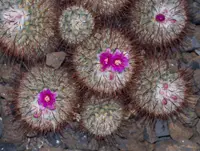
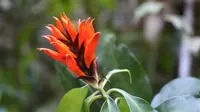
Sun cactus, Disocactus speciosus, is an epiphytic cactus from tropical forests of Mexico and Central America. It naturally grows on trees or rocks rather than in desert sand. The plant forms arching or trailing flat stems and produces large, brightly colored funnel-shaped flowers, often in shades of pink, red, or magenta. Flowers appear mainly in spring and make it a striking ornamental plant. Disocactus speciosus is moderately easy to manage once its needs are understood. It prefers bright, filtered light, airy well-draining soil, and steady but not excessive moisture. Learning how to care for sun cactus focuses on balancing light, water, and humidity without letting the roots stay soggy.

Main Plant Requirements

Care Difficulty

Moderate Care

Light Preference

Bright Indirect Light

Water Requirements

Moderate Water

Temperature Preference

Tropical / Frost Sensitive

Hardiness Zone

10–11

Soil Texture

Sandy, Loamy, Organic-rich

Soil pH

Acidic (5.5–6.5), Slightly acidic (6.5–7.0)

Soil Drainage

Well-drained

Fertilization

Light (every 4–6 weeks)

Get Personalized Care Plan

Scan your plant to receive care tips personalized for your specific plant

Available on iOS and Android

How to Care for the sun cactus

Disocactus speciosus prefers bright, indirect light that mimics dappled forest sun.

  • Provide 4–6 hours of bright, filtered light daily, such as morning sun with light shade or sheer-curtained windows indoors for sun cactus indoor care.
  • Tolerates partial shade, but too little light leads to weak, stretched growth and fewer flowers; move gradually to a brighter spot if stems elongate.
  • Avoid harsh midday summer sun, especially behind glass; bleaching, yellow patches, or crispy edges indicate light is too intense.

This epiphytic cactus needs moisture balance rather than desert-dry conditions.

  • Water when the top 2–4 cm of soil feels dry, using thorough watering until excess drains away, then let it drain fully.
  • In spring–summer, expect more frequent watering during active growth; in fall–winter, allow the mix to dry a bit deeper to prevent root rot.
  • Soft, shriveling stems signal underwatering, while limp, yellowing, or translucent sections and a sour soil smell suggest overwatering and poor drainage.

This species prefers mild, stable temperatures without frost or extreme heat swings.

  • Aim for 65–80°F (18–27°C) during active growth, which supports strong stems and reliable flowering.
  • Protect from temperatures below 45°F (7°C); brief drops to 40°F (4°C) may be survived but risk cold damage, especially in wet soil.
  • In hot periods above 90°F (32°C), increase air movement and shade from intense sun to prevent heat stress, wilt, and sunscald.

This species prefers moderately humid air but adapts to average home conditions if not kept too dry for long.

  • Aim for 40–60% humidity, as very dry heated rooms can slow growth and cause flower buds to drop.
  • Dry air stress shows as limp, shriveling stems, brown edges, or buds failing to open on sun cactus.
  • Increase humidity by grouping plants, placing the pot on a water-and-pebble tray, or running a nearby humidifier.

This epiphytic cactus needs a loose, airy mix that drains quickly yet retains light, even moisture.

  • Use a mix of roughly 50% cactus potting mix with 25% fine bark and 25% perlite or pumice for structure and drainage.
  • Choose a slightly acidic to neutral pH around 6.0–7.0, which supports nutrient availability for Disocactus speciosus.
  • Ensure the mix feels springy, not compact; large particles like bark and pumice keep pores open for root aeration.
  • Avoid heavy garden soil, peat-only mixes, or containers that stay waterlogged, which promote root rot and stem collapse.

This species grows very well in containers, especially hanging or elevated pots that accommodate its arching stems.

  • Select a wide, shallow pot that allows lateral root spread while keeping the root zone from staying wet too deep down.
  • Use a container just heavy or stable enough that trailing stems cannot tip it as they lengthen and gain weight.
  • Favor breathable materials like unglazed clay if overwatering is a concern, since they allow faster evaporation from the root zone.

Disocactus speciosus benefits from moderate feeding during its active growing season for strong stems and flowering.

  • Use a balanced liquid cactus fertilizer (around 10-10-10 or 5-5-5) diluted to 1/2 strength for sun cactus indoor care.
  • Feed every 4–6 weeks from early spring to late summer when growth is active.
  • Avoid fertilizing in late fall and winter, when the plant rests and light levels are lower.
  • Never apply fertilizer to very dry soil; water lightly first to limit root burn.

Pruning Disocactus speciosus is mainly used to control size, shape, and remove weak growth after flowering.

  • Plan light pruning in late spring or just after the main flowering flush has finished.
  • Remove dead, shriveled, or damaged stems cleanly with sharp, disinfected scissors or pruners.
  • Thin out crowded or tangled stems from the base to improve air flow and light penetration.
  • Limit cuts to partial stem removal to avoid shocking the plant and to maintain flowering potential.

This epiphytic cactus prefers slightly snug pots and only needs repotting when growth slows or roots crowd the container.

  • Check for roots circling the drainage holes, very fast drying soil, or slowed growth as signs it needs more space.
  • Plan to repot every 2–3 years in late winter or early spring, just before strong new growth starts.
  • Choose a pot only 2–5 cm wider with excellent drainage and use a loose cactus or orchid-type mix.
  • Gently loosen the root ball, remove old compacted soil, and water lightly after repotting to reduce stress.

Disocactus speciosus is commonly propagated from stem cuttings taken during the warmer growing months.

  • Take healthy, non-flowering stem segments in late spring or summer and cut with a clean, sharp blade.
  • Allow cut ends to callus for 3–7 days in a dry, shaded place to reduce rot risk.
  • Plant callused segments upright in a slightly moist, well-draining cactus mix and keep in bright, indirect light.
  • Maintain warm conditions around 70–80°F and only light watering until firm rooting develops.

This species is frost sensitive and requires cool, dry, but not freezing conditions during winter.

  • Keep indoor or greenhouse plants around 50–60°F in bright, indirect light during the rest period.
  • Move containers indoors before temperatures drop below 45°F, avoiding sudden temperature swings.
  • Reduce watering significantly in winter, allowing the mix to dry almost completely between light waterings.
  • In mild climates, shelter outdoor pots under a porch or cold frame to prevent cold, wet soil around roots.

Care Tips

Support trailing stems

Install a hanging basket or a wall-mounted trellis early so the long, arching stems can trail or be looped over support without kinking or snapping as they thicken.

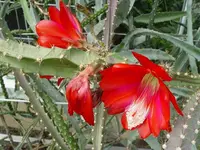
Cool, dry bloom rest

After flowering, provide a 6–8 week rest with slightly cooler nights and lean watering to help set strong flower buds for the next season.

Rotate for even growth

Turn the pot 90° every 2–3 weeks so light reaches all sides, which keeps stems balanced and reduces weak, etiolated growth on the shaded side.

Targeted stem pruning

After blooming, remove only the oldest, woodiest, or damaged stems at their base to stimulate new, flowering-age segments while preserving the plant’s overall shape.

Prevent crown rot

When repotting or top-dressing, keep soil slightly lower than the rim and avoid packing mix tightly around the stem base so water cannot pool at the crown while growing sun cactus.

Common Pests and Diseases

Mealybugs

This pest feeds on soft cactus tissue, often hiding in areoles and along rib joints, leaving white cotton-like clusters and sticky honeydew. Symptoms include stunted growth, yellowing, and sooty mold on the sugary secretions.

Solution

Isolate the plant, then dab visible insects with cotton swabs dipped in 70% isopropyl alcohol and repeat weekly until controlled. Increase air movement, avoid overfertilizing with high-nitrogen products, and use a labeled horticultural soap or neem oil spray to reach hidden insects, making sure the potting mix stays mostly dry during treatment.

Red spider mites

These insects are actually tiny arachnids that thrive in warm, dry air and cause fine stippling, dulling, and bronzing of stems, sometimes with delicate webbing between segments. Symptoms include slowed growth and a dusty appearance on the cactus surface.

Solution

Raise humidity around the plant slightly, rinse stems thoroughly with a firm but gentle stream of lukewarm water, and repeat every few days to disrupt the mites. For persistent infestations, apply a labeled miticide or neem oil to all stem surfaces, treating 2–3 times at 7–10 day intervals while keeping the plant in bright, indirect light during recovery as part of Disocactus speciosus care.

Scale insects

This pest appears as small, hard, brown or tan bumps on stems and along areoles that do not wipe off easily. Symptoms include weakened, yellowing tissue and reduced flowering as insects drain plant sap.

Solution

Gently scrape or pick off individual scales with a soft tool or fingernail, then wipe stems with a cloth lightly moistened with 70% isopropyl alcohol. Follow up with a horticultural oil spray, ensuring thorough coverage of all surfaces and repeating after 7–14 days to target newly emerged crawlers.

Botrytis blight

This disease develops under cool, humid, poorly ventilated conditions and causes soft, water-soaked spots that turn brown and may develop gray, fuzzy mold on stems or at the base of flowers. Symptoms include collapsing tissue and premature flower drop.

Solution

Remove and discard all affected tissue and spent flowers, then improve air circulation and reduce overhead watering. Allow the potting mix surface to dry between waterings, avoid water sitting on stems, and in severe cases apply a labeled fungicide suitable for ornamental cacti, following the package directions carefully.

Bacterial soft rot

This disease causes rapidly spreading, foul-smelling, mushy areas on stems, often starting where mechanical injury or waterlogged tissue occurred. Symptoms include tissue collapse and dark, wet-looking patches that can extend quickly through segments.

Solution

Cut away all affected tissue well into firm, healthy tissue with a sterile knife, and discard the infected parts in the trash rather than composting. Allow cut surfaces to dry and callus in a warm, airy place, reduce watering to keep the substrate slightly on the dry side, and if rot is extensive, salvage only healthy, rot-free stem segments as cuttings in fresh, sterile cactus mix.

Interesting Facts

Epiphytic rock specialist

This species naturally grows both as an epiphyte on trees and as a lithophyte on rock faces in Mexico and Central America, anchoring its roots into crevices rather than deep soil.

Night-active pollinators

In its native range, the large tubular flowers are primarily pollinated by long-tongued moths and possibly bats, which are attracted to the flowers during evening and night hours.

Hybridization cornerstone

It has been widely used in breeding to create many modern epiphyllum-type hybrids, contributing its strong flower colors and form to ornamental cactus lines.

Botan icon

Did you know?

Early European botanical descriptions of this species in the 19th century led to considerable taxonomic confusion, and it has been reassigned between several genera before molecular studies supported its current placement in Disocactus.

FAQs about sun cactus

Lack of flowers usually comes from insufficient light, no cool dry rest in winter, or excess nitrogen fertilizer. Provide bright conditions, a slightly cooler, drier winter period, and balanced feeding to support bud formation and successful flowering.

Grow Healthy Plants with Botan Care

Keep your plants happy and healthy with plant identification, disease detection, and easy care guidance.

Botan plant care app — identify plants on mobile

Explore More Plants