


Rotate for symmetry
Turn the pot 90° every 2–3 weeks during active growth so the stem thickens evenly and does not lean toward the light source.

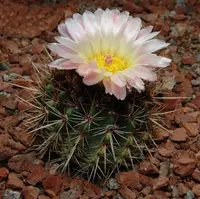
Parodia mammulosa is a small, globular cactus native to grasslands and rocky slopes of southern Brazil, Uruguay, and northern Argentina. It stays compact, usually forming a single rounded stem with pronounced ribs and many small spines. In season it produces showy, funnel-shaped flowers near the crown, often in yellow or orange tones that contrast with the dark green body. Slow growth and a naturally tidy shape make it well suited to windowsills and small indoor collections. This species is generally considered easy to grow if given strong light, very well-drained soil, and careful watering, which helps explain how to care for Parodia mammulosa in most home settings.

Care Difficulty
Easy Care

Light Preference
Full Sun

Water Requirements
Low Water

Temperature Preference
Tropical / Frost Sensitive

Hardiness Zone
10–12

Soil Texture
Sandy, Loamy, Rocky

Soil pH
Slightly acidic (6.5–7.0), Neutral (7.0)

Soil Drainage
Well-drained

Fertilization
Minimal (feed rarely)
Scan your plant to receive care tips personalized for your specific plant
Available on iOS and Android
This cactus prefers bright, direct sun with some protection during the hottest hours.
Watering should mimic infrequent desert rains with thorough soaking and full drying between events.
This species favors warm conditions with a cool, dry resting period.
This cactus handles typical indoor humidity but prefers air on the drier side.
This species needs a very fast-draining, mineral-rich mix that dries quickly between waterings.
This cactus is well suited to container growing when drainage and stability are managed carefully.
This small cactus benefits from light feeding during active growth but is sensitive to excess nutrients.
Parodia mammulosa needs almost no pruning, but minor cleaning improves health and appearance.
This cactus prefers being slightly root-bound and only needs infrequent repotting in containers.
Parodia mammulosa is most commonly propagated from seed under warm, bright, and clean conditions.
This cactus is not frost hardy and requires cool, dry winter care in most climates.

Plant Health Check
Not sure what's wrong with your plant? Check your plant's health inside the app.
This species forms a squat, spherical stem with 13–21 low, rounded ribs that are broken into distinct tubercles, giving it a subtly segmented look compared with many other globose cacti.
Its spines are numerous and closely packed but relatively fine and flexible, creating a pale, almost woolly halo effect around the body rather than a very rigid armor.
Even at a relatively small size, this cactus can produce large, funnel-shaped yellow flowers that form near the stem apex in a ring, making it noticeably more floriferous in youth than many similar South American species.

In its native habitats of southern Brazil, Uruguay, and northeastern Argentina, this cactus often grows in shallow, rocky soils on open grasslands, where its low, compact form and dense spines help protect the stem from intense sun and grazing animals.
This species usually blooms in late spring or summer once it is mature and well established. Lack of flowers often relates to insufficient light, cool temperatures, or no dry, cool winter rest period to trigger bud formation.
Keep your plants happy and healthy with plant identification, disease detection, and easy care guidance.

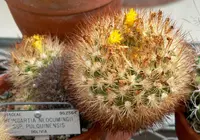
Cuming crown cactus
Rebutia neocumingii
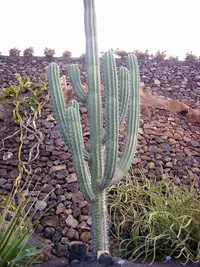
candelabro
Pachycereus weberi
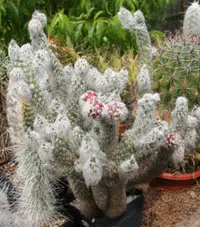
Austrocylindropuntia vestita
Austrocylindropuntia vestita

Matucana madisoniorum
Matucana madisoniorum
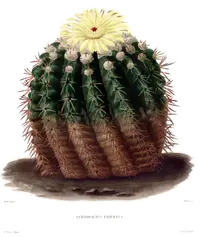
Parodia erinacea
Parodia erinacea
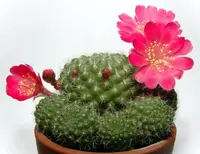
Red Crown Cactus
Rebutia minuscula
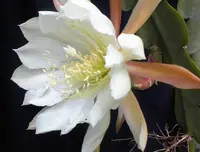
crenate orchid cactus
Disocactus crenatus
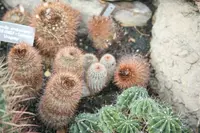
Parodia × erubescens
Parodia × erubescens