


Rotate For Symmetry
Turn the pot 90° every 2–3 weeks during active growth so all sides receive similar light and the clump stays low, even, and compact instead of stretching toward one direction.

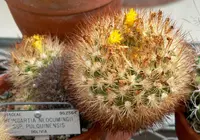
Cuming crown cactus (Rebutia neocumingii) is a small clustering cactus from the highlands of Bolivia and neighboring Andean regions. It grows as low, rounded stems that form dense mounds over time.
The plant is known for its showy funnel-shaped flowers, often in bright orange, red, or yellow, which can nearly cover the small bodies in bloom. Its compact size makes it suitable for containers and windowsills.
This species is considered relatively easy for beginners when given strong light, very well-drained soil, and careful watering. Understanding how to care for Cuming crown cactus mainly involves preventing excess moisture and protecting it from prolonged frost.

Care Difficulty
Easy Care

Light Preference
Full Sun

Water Requirements
Low Water

Temperature Preference
Warm Climate

Hardiness Zone
9–11

Soil Texture
Sandy, Loamy, Rocky

Soil pH
Acidic (5.5–6.5), Slightly acidic (6.5–7.0)

Soil Drainage
Well-drained

Fertilization
Minimal (feed rarely)
Scan your plant to receive care tips personalized for your specific plant
Available on iOS and Android
This small mountain cactus thrives in bright, direct light with some protection from harsh extremes.
This cactus prefers thorough but infrequent watering that allows the root zone to dry between soakings.
This species prefers moderate warmth and dry, cool rest periods rather than constant high heat.
This cactus prefers dry household air and does not need elevated humidity.
This species needs a very free-draining, mineral-rich substrate to prevent root rot.
This compact cactus is very suitable for container growing.
This small cactus benefits from light feeding during active growth but is sensitive to excess salts.
Rebutia neocumingii needs minimal pruning, mainly for hygiene and shape control in containers.
This cactus grows slowly and requires infrequent repotting, mainly to refresh soil and manage offsets.
New Rebutia neocumingii plants are most often produced from offsets, with seeds as a secondary method.
This cactus prefers a cool, dry winter rest and is not suited to prolonged freezing conditions.

Plant Health Check
Not sure what's wrong with your plant? Check your plant's health inside the app.
This species occurs naturally on rocky slopes of the eastern Bolivian Andes, often between roughly 2,000–3,000 m, where it experiences strong light, wide day–night temperature swings, and fast-draining mineral soils.
Mature plants form tight clusters of small, rounded stems that create a cushion-like mound, an adaptation that reduces heat and water loss and protects growing points from intense mountain sun and cold nights.
Its stems show low, rounded tubercles arranged into shallow ribs, with small areoles and relatively fine spines, which allow the epidermis to expand safely during sudden water uptake after rare highland rainfalls.
Lack of flowering usually comes from insufficient light, no cool dry winter rest, or too much nitrogen fertilizer. Provide strong light, a cooler, drier winter period, and avoid frequent repotting to support Rebutia neocumingii care.
Keep your plants happy and healthy with plant identification, disease detection, and easy care guidance.


Matucana madisoniorum
Matucana madisoniorum
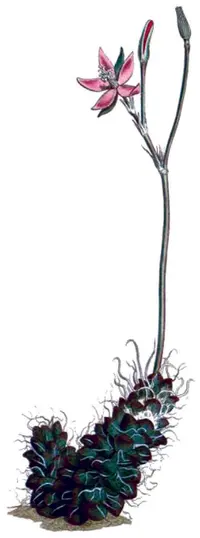
Anacampseros filamentosa
Anacampseros filamentosa
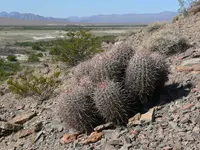
cottontop cactus
Echinocactus polycephalus
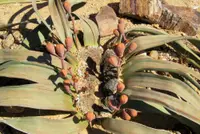
Tree Tumbo
Welwitschia mirabilis
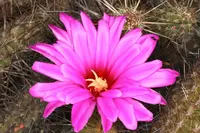
Brandegee's Hedgehog Cactus
Echinocereus brandegeei
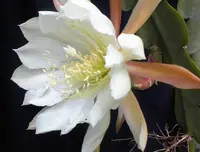
crenate orchid cactus
Disocactus crenatus
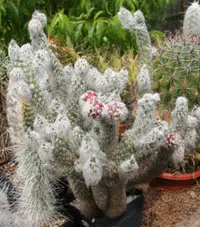
Austrocylindropuntia vestita
Austrocylindropuntia vestita
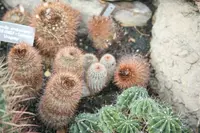
Parodia × erubescens
Parodia × erubescens