Deep container choice
Use a heavy, deep pot with ample drainage holes so the large taproot can anchor securely and the plant is less likely to tip or crack from its own weight over time.

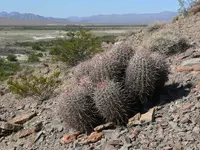
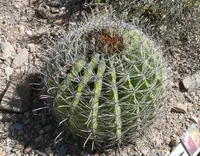
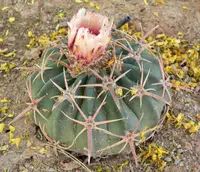
The cottontop cactus, Echinocactus polycephalus, is a slow-growing, clumping desert cactus native to arid regions of the Mojave and Sonoran deserts in the southwestern United States and northern Mexico. It forms dense clusters of heavy, barrel-shaped stems covered in thick, interlaced spines that can appear pale or reddish. Mature plants sometimes show a woolly, pale crown that inspires the common name. This species is highly adapted to intense sun, extreme heat, and very dry, rocky soils, which makes it challenging outside similar conditions. In cultivation, it suits experienced growers who can provide strong light, excellent drainage, and careful watering, and who want to learn how to care for cottontop cactus.

Care Difficulty
Hard Care

Light Preference
Full Sun

Water Requirements
Low Water

Temperature Preference
Warm Climate

Hardiness Zone
8–10

Soil Texture
Sandy, Rocky, Loamy

Soil pH
Slightly acidic (6.5–7.0), Neutral (7.0)

Soil Drainage
Well-drained

Fertilization
Minimal (feed rarely)
Scan your plant to receive care tips personalized for your specific plant
Available on iOS and Android
This desert cactus needs intense, direct sun to stay compact and healthy.
This species is highly drought-adapted and must dry thoroughly between waterings.
This cactus is adapted to hot deserts but still has clear temperature limits for safe growth.
This desert cactus prefers very dry air and rarely suffers from low humidity indoors.
This species needs a very fast-draining, mineral-heavy substrate that mimics rocky desert ground.
This species is suitable for container growing if the pot is set up to dry quickly and remain stable.
This desert cactus needs minimal feeding, but light fertilization can support container-grown plants during active growth.
Pruning needs for Echinocactus polycephalus are minimal and mostly limited to health and safety reasons.
This cactus grows slowly and dislikes disturbance, so repotting or transplanting should be infrequent and deliberate.
Reproduction of this species is mainly done from seed and is relatively slow and specialized.
This species is cold tolerant when dry but still benefits from simple winter management, especially in containers.

Plant Health Check
Not sure what's wrong with your plant? Check your plant's health inside the app.
This species is native to some of the hottest parts of the Mojave and Sonoran deserts, where it endures intense sun and ground temperatures that kill many other cactus species.
Mature plants often develop dense clusters of many heads from a shared root system, forming heavy, mound-like groups rather than a single solitary stem.
Its stiff, interlocking spines can form an almost continuous cage that shades the stem surface, reduces water loss, and deters large herbivores such as desert bighorn sheep from feeding on it.

This cactus is considered one of the most difficult North American barrel cacti to cultivate successfully in typical garden or container conditions, because it is highly adapted to extremely arid, rocky desert habitats with very specific drainage and temperature patterns that are hard to reproduce in cultivation, so Echinocactus polycephalus care is often recommended only for experienced growers.
Flowering is often irregular and depends on age, strong light, and a cool, dry winter rest. Plants usually need many years to mature. Avoid excess watering or rich fertilizer, which can promote growth but discourage blooms.
Keep your plants happy and healthy with plant identification, disease detection, and easy care guidance.