Sedum mendozae Care

Sedum mendozae

About Sedum mendozae

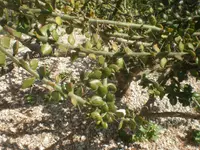
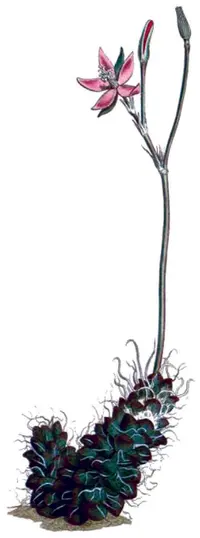
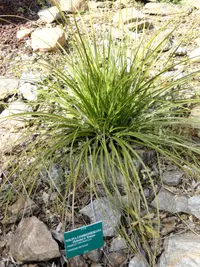
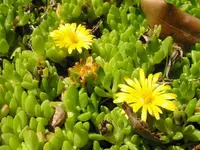
Sedum mendozae is a small, clumping succulent from Mexico, valued for its compact growth and drought tolerance. It forms low, dense mats of fleshy leaves on trailing or arching stems, often used in rock gardens and containers.

Leaf color ranges from fresh green to slightly reddish tones in strong light, giving subtle seasonal interest. This species suits growers who prefer minimal-maintenance plants, as it stores water in its leaves and tolerates brief neglect.

Sedum mendozae prefers bright light, well-draining gritty soil, and careful watering with thorough drying between waterings. Understanding these basics makes it straightforward to care for Sedum mendozae in many indoor and outdoor setups.

Main Plant Requirements

Care Difficulty

Easy Care

Light Preference

Full Sun

Water Requirements

Low Water

Temperature Preference

Warm Climate

Hardiness Zone

9–11

Soil Texture

Sandy, Loamy, Rocky

Soil pH

Slightly acidic (6.5–7.0), Neutral (7.0)

Soil Drainage

Well-drained

Fertilization

Minimal (feed rarely)

Get Personalized Care Plan

Scan your plant to receive care tips personalized for your specific plant

Available on iOS and Android

How to Care for the Sedum mendozae

This sun-loving succulent needs bright light to stay compact and well colored.

  • Provide 4–6 hours of direct morning sun plus bright indirect light for Sedum mendozae, especially in spring and summer.
  • Allow light afternoon shade in hotter regions to prevent leaf scorch, especially when temperatures exceed 90°F (32°C).
  • In winter, ensure at least 3–4 hours of sun by avoiding deep shade from buildings or trees, or growth will stretch and foliage will pale.

This species prefers infrequent, deep watering and fast-drying soil.

  • Water only when the top 3–5 cm of soil are completely dry; in active growth this may mean every 7–14 days depending on heat and wind.
  • Use very well-draining, gritty soil so water runs through quickly; avoid standing water around roots at any time.
  • Watch for mushy, translucent leaves as a sign of overwatering, and shriveling, wrinkled leaves as a cue to water a bit sooner.

This succulent handles warmth well but is sensitive to hard frost.

  • Aim for 65–80°F (18–27°C) for steady growth, with drier soil during cooler periods to reduce rot risk.
  • Protect from frost; brief dips to 30–32°F (-1–0°C) may be survivable if soil is dry, but repeated freezes can damage stems and roots.
  • In hot spells above 90°F (32°C), give light afternoon shade and slightly more frequent watering, allowing soil to dry fully between waterings.

This species tolerates typical indoor humidity and prefers relatively dry air around 30–50%.

  • Tolerates centrally heated, dry rooms without extra humidifiers, as long as watering stays infrequent.
  • Lower humidity is safer than high humidity, which can promote stem rot and fungal spotting on leaves.
  • If air exceeds 60% for long periods, increase air movement with a small fan and avoid crowding around the plant.

This succulent needs very fast-draining, mineral-heavy soil to avoid root and stem rot.

  • Use a gritty mix such as 50–70% inorganic components (pumice, coarse perlite, or 3–5 mm gravel) with 30–50% cactus potting mix.
  • Aim for slightly acidic to neutral pH around 6.0–7.0, avoiding very acidic or strongly alkaline mixes that can restrict nutrient uptake.
  • Ensure the mix is loose and crumbly, not compacted, so air can reach roots between waterings and excess water drains in seconds.
  • Avoid moisture-retentive peat-heavy or clay-based soils, which hold water around the roots and quickly damage Sedum mendozae.

This species is well suited to container growing due to its shallow, spreading root system.

  • Choose a wide, shallow pot so stems can trail over the edge without the root zone staying wet in the center.
  • Select unglazed terracotta if the mix stays damp too long, since it lets moisture evaporate through the pot walls.
  • Place the container where it cannot tip, as trailing stems can make one side heavier and unbalance lightweight pots.

This succulent needs only light feeding, so a modest approach works best for Sedum mendozae.

  • Use a balanced, low-nitrogen liquid fertilizer at 1/4–1/2 strength or a very thin layer of compost on the soil surface.
  • Feed once every 4–6 weeks during the active growing season, typically spring through late summer.
  • Choose a slow-release succulent or cactus formula if you prefer granular products, and avoid high-nitrogen lawn fertilizers.
  • Stop feeding in fall and winter to prevent soft, weak growth during semi-dormant periods.

Pruning is mainly cosmetic and health-focused, helping Sedum mendozae stay compact and tidy.

  • Carry out light pruning in spring or just after main flowering flushes to maintain shape.
  • Remove dead, damaged, or diseased stems first, cutting back to healthy tissue with clean, sharp scissors or pruners.
  • Thin crowded shoots to improve airflow and light penetration, which reduces rot risk and encourages denser growth.
  • Trim leggy or trailing stems selectively to stimulate branching and more even mound formation.

This plant tolerates slightly tight quarters, so repotting Sedum mendozae is infrequent but sometimes helpful.

  • Check for roots circling the pot, emerging from drainage holes, or unexplained slow growth as cues for repotting.
  • Plan to move the plant into fresh, gritty succulent mix every 2–3 years, ideally in spring for faster recovery.
  • Choose a pot only 2–3 cm wider with excellent drainage, and gently tease apart circling roots without tearing heavily.
  • Water lightly after repotting, keep in bright but indirect light for 5–7 days, and resume normal watering once new growth appears.

This sedum is commonly propagated to expand plantings or share with others.

  • Use short stem cuttings or individual leaf cuttings in late spring or summer for fastest rooting.
  • Allow cut ends to callus for 1–2 days, then place on or just in a barely moist, gritty succulent mix.
  • Provide bright, indirect light, warm temperatures around 70–80°F, and minimal watering until roots form.
  • For mature clumps, divide offsets at the base in spring, replanting sections at the same depth in well-drained soil.

This sedum is relatively cold tolerant but benefits from simple winter precautions in colder regions.

  • In-ground plants in mild climates usually overwinter without extra protection if soil drains well.
  • In colder zones or very wet winters, apply a light gravel or bark mulch layer to keep crowns drier and insulated.
  • Move containers under cover or indoors before hard frosts, providing bright light and cooler, above-freezing temperatures.
  • Reduce watering sharply in winter to prevent root rot in cold, slow-drying soil.

Care Tips

Encourage Compact Growth

Rotate containers a quarter turn every 1–2 weeks and lightly pinch back overly long, bare stems at a node to keep the plant dense and prevent leggy, unbalanced growth.

Optimize Trailing Display

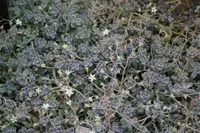
Plant several cuttings close together in a shallow, wide pot and let stems spill over the rim, then periodically tuck new shoots over the edge so they root along the surface and create a fuller cascading effect.

Use Strategic Top-Dressing

Add a 0.5–1 cm layer of decorative gravel on the soil surface to keep foliage clean, reduce algae and moss, and improve airflow around the base of the stems without trapping excess moisture.

Plan Seasonal Protection

If grown in containers outdoors, gradually move the plant under a dry overhang before prolonged autumn rain, then shift it to a bright, cool frost-free spot for winter to avoid cold, wet root damage while growing Sedum mendozae.

Propagate For Renewal

Every 1–2 years, take 5–8 cm stem cuttings from the healthiest tips, let them callus for 1–2 days, then root them in fresh gritty mix to replace older, woody, or sparse mother plants and maintain a vigorous display.

Common Pests and Diseases

Mealybugs

This pest hides in leaf crevices and along stems, feeding on sap and causing stunted, distorted growth and sticky honeydew. Symptoms include white, cottony clusters, often at nodes or where leaves join the stem.

Solution

Isolate the plant, then dab visible insects with cotton swabs dipped in 70% isopropyl alcohol and repeat weekly until gone. Improve light and air movement, rinse the plant with a gentle water spray, and use a neem oil or insecticidal soap spray labeled for succulents if populations persist, following the product directions carefully for effective Sedum mendozae care instructions.

Aphids

These insects cluster on tender new tips and flower stems, sucking sap and causing curling, yellowing, and misshapen growth. Honeydew deposits can encourage sooty mold on leaves and stems.

Solution

Wash colonies off with a firm but controlled stream of water, focusing on stems and undersides of leaves, and repeat every few days as needed. For persistent infestations, apply insecticidal soap or neem oil in the early morning or evening and avoid spraying in full sun to reduce leaf damage risk.

Fungal leaf spots

This disease appears as small, dark, sunken spots on leaves, often during humid or poorly ventilated conditions. Symptoms include gradual yellowing and premature leaf drop starting on lower, denser parts of the plant.

Solution

Remove and discard affected leaves, then improve airflow by thinning crowded stems and avoiding overhead watering. If spotting continues, apply a sulfur- or copper-based fungicide labeled for ornamental succulents, and keep foliage as dry as possible during treatment.

Stem rot (basal)

This disease starts at the base of stems where soil stays wet, leading to blackened, mushy tissue and sudden collapse of individual shoots. Symptoms include shriveling above-ground growth even when soil appears moist.

Solution

Cut out and discard affected stems well above the damaged area and adjust watering so the soil dries fully between waterings. Replant healthy cuttings in fast-draining succulent mix, use pots with drainage holes, and avoid letting water pool around the stem base.

Interesting Facts

Mexican cliff specialist

This species is native to rocky slopes and cliffs in central Mexico, where it grows in shallow, mineral-rich pockets of soil and crevices exposed to intense sun and strong temperature swings.

Rosettes with woody bases

Mature plants form compact rosettes on creeping, woody stems that can become subshrubby over time, giving the plant a low, mat-forming habit rather than staying as isolated rosettes.

Seasonal color shifts

Leaf color can shift from bluish-green to pinkish or reddish tones under strong light and seasonal stress, due to increased production of protective pigments called anthocyanins.

FAQs about Sedum mendozae

Poor flowering usually comes from insufficient light, excess nitrogen fertiliser, or stress from recent repotting or pruning. Provide strong light, avoid heavy feeding, keep the plant slightly snug in its pot, and allow a cool, dry rest period.

Grow Healthy Plants with Botan Care

Keep your plants happy and healthy with plant identification, disease detection, and easy care guidance.

Botan plant care app — identify plants on mobile

Explore More Plants