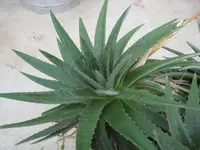
devil's shoestring Care (Nolina lindheimeriana)

Also known as: Lindheimer's Nolina
devil's shoestring

About devil's shoestring

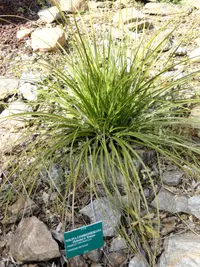
Devil's shoestring, Nolina lindheimeriana, is a tough, grasslike perennial from dry regions of Texas and northern Mexico. It forms dense clumps of long, narrow, arching leaves that look like coarse, wiry grass.

This plant usually grows in rocky, well-drained soils and open, sunny sites, often in prairie or scrub habitats. Mature plants may produce tall flowering stalks with small, pale blooms above the foliage.

Its strong drought tolerance and simple structure make it relatively easy to maintain once established. Understanding how to care for devil's shoestring mainly involves providing good drainage, plenty of light, and avoiding consistently wet soil.


Main Plant Requirements

Care Difficulty

Easy Care

Light Preference

Full Sun

Water Requirements

Low Water

Temperature Preference

Warm Climate

Hardiness Zone

7–10

Soil Texture

Sandy, Loamy, Rocky

Soil pH

Slightly acidic (6.5–7.0), Slightly alkaline (7.0–7.5)

Soil Drainage

Well-drained

Fertilization

Minimal (feed rarely)

Get Personalized Care Plan

Scan your plant to receive care tips personalized for your specific plant

Available on iOS and Android

How to Care for the devil's shoestring

This sun-loving prairie species thrives in open, bright conditions with long daily exposure.

  • Provide 6–8 hours of direct sun, ideally with strong morning sun and some protection from the harshest late-afternoon summer rays in very hot climates.
  • Plant devil's shoestring in an open site; it tolerates light partial shade but foliage becomes looser and flowering is reduced if it receives less than about 4–5 hours of sun.
  • In cooler seasons full sun all day is ideal, while in intense summer heat light, filtered afternoon sun helps prevent leaf tip scorching.

This drought-tolerant grasslike plant prefers infrequent, deep watering and fast-draining soil.

  • Allow the top 5–8 cm of soil to dry before watering again; established plants in the ground often need water only after extended dry spells, especially on sandy or rocky sites.
  • Use sharply drained soil or a raised bed so water does not pool around the crown; persistent soggy soil causes root rot and collapsed, yellowing leaves.
  • Reduce or stop supplemental watering in fall and winter, watching for limp, folding leaves as a sign of underwatering and blackened or mushy bases as a sign of overwatering in Nolina lindheimeriana.

This species is adapted to hot summers and cool winters, with good tolerance of temperature extremes once established.

  • Aim for active growth in 70–90°F (21–32°C); the plant handles short spikes to 100°F (38°C) if soil drains well and roots are not waterlogged.
  • Mature plants typically tolerate down to about 0–10°F (-18 to -12°C); brief colder snaps may damage leaf tips but the crown often survives if soil is well drained.
  • In regions with repeated hard frosts or freeze–thaw cycles, protect the crown with mulch, and during extreme heat combine full sun with occasional deep watering to limit stress.

Humidity is rarely a concern for Nolina lindheimeriana, which thrives in dry air.

  • Target 25–50% relative humidity, similar to arid or semi-arid outdoor conditions.
  • This plant tolerates very dry indoor air; devil's shoestring rarely needs extra humidity unless combined with extreme heat stress.
  • Watch for limp, pale new growth or leaf-tip dieback under hot, stagnant conditions, and increase airflow rather than misting.

Nolina lindheimeriana prefers lean, fast-draining, mineral soils that mimic rocky, arid habitats.

  • Use a sandy or gravelly mix, such as 50–60% coarse sand or small grit blended with 40–50% cactus mix or loam.
  • Aim for slightly acidic to slightly alkaline soil (pH 6.0–7.8), as this species tolerates a broad pH range.
  • Add perlite, pumice, or small gravel to improve aeration and prevent water from sitting around the root crown.
  • Avoid compacted, high-clay, or peat-heavy mixes that stay wet for more than 1–2 days after irrigation.

This species adapts well to container growing when provided with very sharp drainage and a stable pot.

  • Choose a wide, heavy container to counterbalance the tufted, top-heavy foliage and reduce tipping in wind-exposed sites.
  • Select a fast-drying pot material such as unglazed terracotta to help evaporate excess moisture from the root zone.
  • Raise the pot slightly on feet or blocks so drainage holes stay clear and water does not pool under the container base.

This drought-adapted grasslike perennial needs only light feeding in cultivation, similar to caring for devil's shoestring in native-style plantings.

  • Use a low-dose balanced NPK fertilizer or light compost top-dressing in spring, once per year.
  • Apply at half the label strength to avoid excess salts in the root zone.
  • Skip feeding in late fall and winter when growth slows or stops.
  • In very poor soils, a slow-release formula in early spring supports steady, moderate growth.

Nolina lindheimeriana benefits from occasional cleaning rather than heavy structural pruning.

  • Best time is late winter to early spring before strong new growth begins.
  • Remove dead, browned, or damaged leaves by cutting them close to the base with clean, sharp shears.
  • Thin out badly crowded or crossing leaves only if access or appearance is affected.
  • Light pruning helps maintain a tidy clump without reducing plant vigor or resilience.

This species is usually grown in the ground, so focus on careful transplanting rather than frequent repotting.

  • Transplant in late winter or early spring when temperatures are mild and soil is workable.
  • Look for circling roots in containers, slow growth, or plants toppling as signs a move is needed.
  • Shift to a slightly larger, very well-drained site or pot, disturbing roots as little as possible.
  • Water thoroughly after transplanting, then allow soil to dry between waterings to limit root stress.

Propagation of Nolina lindheimeriana is possible but slower than many common ornamental perennials.

  • Grow from seed sown in late winter to spring, using a sharply drained, sandy mix.
  • Provide warm conditions around 70–75°F and bright light for steady germination.
  • Keep the medium barely moist, never wet, to prevent damping-off in young seedlings.
  • Division of mature clumps is possible in early spring but can stress older plants.

This plant is generally cold hardy in much of its range and needs limited winter attention outdoors.

  • Tolerates light to moderate frost once established, especially in well-drained soil.
  • In colder regions, apply a 5–8 cm layer of dry mulch around the root zone, not touching the crown.
  • Container plants in harsh climates can be moved to a bright, cool, frost-free spot for winter.

Care Tips

Winter crown protection

In colder regions, mound 5–8 cm of coarse gravel or small stones around the crown in late fall to improve drainage and protect the growing point from freeze–thaw damage, then pull it back slightly in spring once active growth resumes.

Weed- and grass-free zone

Maintain a bare, mulched circle 30–45 cm around the plant by hand-pulling grasses and broadleaf weeds so they do not compete for moisture and nutrients or shade the base of the rosette.

Rock mulch strategy

Use a thin, open layer of gravel or small rocks instead of organic mulch directly around the plant to keep the root zone cool, reduce evaporation, and avoid rot that can occur when bark or compost stay wet against the crown.

Clump renewal technique

Every 5–7 years, divide and replant only the healthiest outer offsets in late winter or early spring to rejuvenate an overgrown clump and maintain strong, upright foliage when growing devil's shoestring in dry landscapes.

Secure in windy sites

In exposed, windy locations, plant slightly deeper than the original soil line and gently firm soil around the base, or use 2–3 short, angled bamboo stakes to stabilize the crown until new roots anchor the plant fully.

Common Pests and Diseases

Scale insects

This pest feeds on leaf bases and lower stems, sucking sap and weakening clumps over time. Symptoms include small dome-shaped bumps, sticky honeydew, and sooty black mold on older foliage.

Solution

Prune out heavily infested leaves, then wipe or gently scrub remaining scale with a soft brush dipped in diluted insecticidal soap or horticultural oil. Improve air circulation around the plant, avoid overhead watering on the crown, and repeat treatments every 7–10 days until new growth appears clean as part of Nolina lindheimeriana care.

Mealybugs

These insects hide in leaf bases and tight rosettes, leaving white cottony clusters and sticky honeydew on the plant. Infested plants may show slow growth and yellowing of older leaves.

Solution

Isolate affected plants and remove visible mealybugs with a cotton swab dipped in isopropyl alcohol, then follow with a thorough spray of insecticidal soap, focusing on leaf bases and between leaves. Repeat weekly until no new insects appear and reduce excess nitrogen fertilization, which can encourage soft, susceptible growth.

Spider mites

These insects thrive on dry, exposed plants and feed on leaf surfaces, causing fine speckling, bronzing, and eventual browning of the foliage. Symptoms include very fine webbing between stiff leaves in severe cases.

Solution

Use a strong stream of water to rinse the foliage and leaf bases, then apply insecticidal soap or a light horticultural oil, making sure to coat both sides of the leaves. Maintain the plant’s vigor with proper watering and reduce extreme heat stress, as drought-stressed plants are more prone to mite buildup.

Leaf spot

This disease can appear in prolonged warm, wet conditions, causing tan to dark brown spots or streaks on older leaves, sometimes with yellow halos. Symptoms include cosmetic damage that can make clumps look patchy and tired, though the crown usually survives.

Solution

Remove and dispose of affected leaves, keeping the plant’s crown open by occasionally thinning dense foliage to improve airflow. Water at soil level, avoid wetting the leaves late in the day, and if spotting continues, use a copper-based or other labeled ornamental fungicide according to directions.

Crown rot

This disease develops when plants sit in waterlogged or poorly drained soil, leading to soft, collapsing leaf bases and a foul smell at the crown. Symptoms include sudden yellowing and wilting of the central rosette, even when soil seems moist.

Solution

Dig up affected plants and discard those with extensive soft, brown tissue, then improve drainage by raising the planting area or amending soil with coarse sand or gravel. Replant only firm, healthy divisions, keep irrigation light and infrequent, and avoid piling mulch against the crown to reduce further rot issues when growing devil's shoestring.

Interesting Facts

Grasslike desert rosette

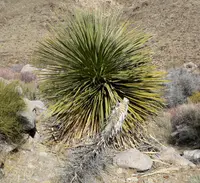
This species forms dense rosettes of very narrow, tough leaves arising from a woody base, giving it a grasslike appearance even though it is not a true grass but a member of the Asparagaceae family.

Root-based livestock deterrent

In its native south-central US range, its fibrous, tough roots and basal leaves can slow or deter livestock movement, which is the origin of the common name devil's shoestring.

Drought-adapted structure

The plant develops a deep, fibrous root system and a woody caudex (a thickened stem base) that help it tolerate prolonged dry periods on rocky, well-drained sites such as the Edwards Plateau in Texas.

Botan icon

Did you know?

This species is considered a structural keystone in some Texas grassland and savanna plantings, where its dense clumps provide long-lasting architectural form and habitat structure that persists through drought and seasonal change.

FAQs about devil's shoestring

Growth is moderate rather than fast. In suitable outdoor conditions, it usually adds 5–10 cm of height per year, forming a wider clump over time. Poor drainage, dense shade, or frequent disturbance slow development noticeably.

Grow Healthy Plants with Botan Care

Keep your plants happy and healthy with plant identification, disease detection, and easy care guidance.

Botan plant care app — identify plants on mobile

Explore More Plants