arenaceous crown cactus Care (Rebutia arenacea)

arenaceous crown cactus

About arenaceous crown cactus

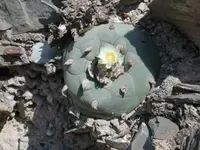
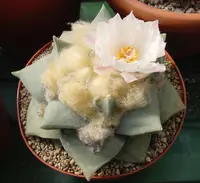
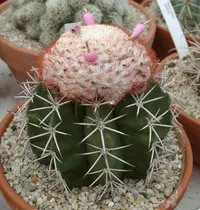
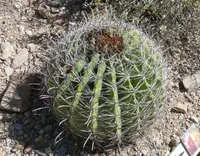
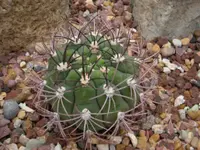
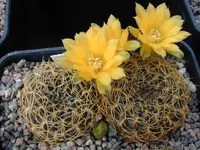
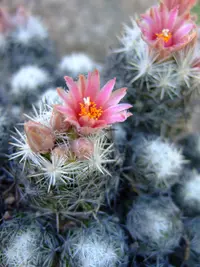
The arenaceous crown cactus, Rebutia arenacea, is a small globular cactus known for its tight clumps of rounded stems and dense, short spines. It often forms low cushions that are covered in vivid funnel-shaped flowers, usually in warm orange or red tones. This species is native to high-altitude regions of Bolivia, where it grows in rocky, well-drained soils with strong light and cool, dry air. Its compact size and slow, tidy growth habit make it suitable for containers and windowsills. Thick, water-storing tissues and a shallow root system influence how to care for arenaceous crown cactus, favoring bright light, minimal watering, and gritty, fast-draining soil.

Main Plant Requirements

Care Difficulty

Easy Care

Light Preference

Full Sun

Water Requirements

Low Water

Temperature Preference

Cool Climate

Hardiness Zone

8–10

Soil Texture

Sandy, Loamy, Rocky

Soil pH

Slightly acidic (6.5–7.0), Neutral (7.0)

Soil Drainage

Well-drained

Fertilization

Minimal (feed rarely)

Get Personalized Care Plan

Scan your plant to receive care tips personalized for your specific plant

Available on iOS and Android

How to Care for the arenaceous crown cactus

This small cactus thrives with bright light but benefits from some protection from harsh sun.

  • Provide 4–6 hours of direct morning sun with bright, filtered light the rest of the day, especially in spring and summer.
  • In hot climates, shield arenaceous crown cactus from intense midday and late-afternoon sun to prevent scorching and bleaching of the stem.
  • Outdoors, increase light gradually after winter; indoors, place near a south- or east-facing window to avoid etiolation from low light.

Watering should mimic brief desert rains followed by dry periods.

  • Allow the top 3–5 cm of soil to dry completely before watering, then soak thoroughly so excess drains away.
  • During active growth in spring and summer, expect to water every 7–21 days depending on heat, pot size, and airflow; avoid schedules and watch the soil instead.
  • In autumn and winter, reduce to very light, infrequent watering, stopping entirely if kept cool, and watch for overwatering signs like soft, yellowing tissue.

Temperature control is important for healthy growth and flowering of Rebutia arenacea.

  • Aim for 65–80°F (18–27°C) during the growing season, providing bright light and good airflow for compact growth.
  • In winter rest, keep it around 45–55°F (7–13°C) if dry, but never let it drop below about 40°F (4°C) to avoid cold damage.
  • The plant tolerates short heat spikes up to 90–95°F (32–35°C) if shaded and not overwatered, but it is sensitive to frost and prolonged cold, damp conditions.

This cactus handles typical indoor humidity well and rarely needs special humidity management.

  • Aim for 30–50% humidity; very high humidity combined with cool temperatures increases rot risk.
  • Dry household air is tolerated, but persistent humidity below 25% can slow growth further.
  • Watch for soft, pale spots or musty odor as signs of excess humidity and improve air movement rather than misting.

Provide a very fast-draining, mineral-rich mix to keep the roots of Rebutia arenacea dry between waterings.

  • Use a gritty blend such as 30% cactus potting mix with 70% mineral materials like pumice, coarse sand, and small lava rock.
  • Ensure the mix feels loose and crumbly; avoid dense, peat-heavy or clay-based substrates that stay wet for more than 2–3 days.
  • Target a slightly acidic to neutral pH around 6.0–7.0, which supports nutrient uptake without encouraging rot organisms.
  • Increase aeration by adding more pumice or lava rock if water does not drain through the pot within a few seconds.

This species is very suitable for container growing.

  • Choose a shallow, wide pot that matches the shallow root system and allows offsets to spread without crowding the center plant.
  • Select unglazed terracotta to evaporate moisture faster, which helps the mix dry quickly after light but deep watering.
  • Use a pot only 1–2 cm wider than the plant cluster to prevent unused soil from staying wet and chilling the roots.

This small cactus has modest nutrient needs but benefits from light feeding in active growth.

  • Use a balanced cactus fertilizer or low-strength balanced NPK liquid feed, diluted to 1⁄4–1⁄2 the label rate.
  • Apply every 4–6 weeks from early spring to late summer when growth is active.
  • Avoid feeding in fall and winter dormancy to prevent weak, etiolated growth.
  • For arenaceous crown cactus in gritty mixes, skip compost and rely on mineral-based fertilizer to limit root rot risk.

Rebutia arenacea needs minimal pruning, mainly for hygiene and keeping the clump compact.

  • Best time is late winter to early spring, before strong new growth begins.
  • Remove dead, shriveled, or diseased stems using clean, sharp scissors or a sterilized knife.
  • Gently twist off damaged offsets to maintain shape and encourage healthy new pups.
  • Discard any rotten tissue promptly to limit fungal spread and maintain good airflow around the plant.

This species prefers snug pots and only occasional repotting to refresh soil and manage offsets.

  • Repot every 2–3 years in late winter or early spring, when roots circle the pot or growth slows.
  • Use a shallow container with ample drainage holes and a very gritty cactus mix.
  • Lift the Rebutia arenacea gently, teasing roots free and removing old, compacted soil without breaking fine roots.
  • Let roots dry 1–2 days after repotting, then water lightly to reduce stress and prevent rot.

This cactus is commonly propagated from offsets and seeds under warm, bright conditions.

  • Detach firm offsets in spring or early summer, allowing the cut end to callus for 2–3 days.
  • Plant offsets in a sterile, gritty mix and keep slightly moist in bright, indirect light until rooted.
  • Sow seeds on the surface of a fine cactus mix at 70–80°F, maintaining very light, even moisture.
  • Provide good airflow and avoid strong midday sun during early rooting or germination stages.

This small cactus prefers a cool, dry winter rest and is only moderately frost tolerant.

  • Keep temperatures around 40–50°F in winter for strong flowering next season.
  • Move containers indoors or to a cold, bright porch before hard frost, especially in wet climates.
  • Water very sparingly, just enough to prevent severe shriveling, and keep soil almost dry.
  • If grown outdoors in mild regions, use a gritty, raised bed to drain winter moisture away from roots.

Care Tips

Offset management

Gently twist off offsets with a sterile tool once they reach about 1–1.5 cm across, then allow the wounds on both the parent and pup to dry for 3–5 days before replanting to reduce rot risk and encourage a compact clumping habit.

Targeted spring repotting

Repot only in late spring just as new growth starts, shifting up to a pot only 1–2 cm wider with fresh gritty mix so the root system fills the container quickly and stays less prone to overwatering issues.

Cool rest period

Provide a dry, cool rest at 40–50°F for 8–10 weeks in winter with maximum light exposure to encourage abundant, synchronized flowering the following spring.

Controlled flower pollination

If seed is desired, use a fine brush to transfer pollen between flowers on different plants during peak bloom, then keep the plant slightly drier and stable in position until fruits set and mature.

Rot monitoring routine

Inspect the neck where stem meets soil every few weeks for soft spots or color change, and if detected, unpot, cut back to firm tissue with a sterile blade, dust the cut with sulfur or a dry fungicidal powder, and re-root in fresh dry medium to save the plant.

Common Pests and Diseases

Mealybugs

This pest often hides in the dense spine clusters and woolly areoles, feeding on plant sap and weakening small heads of the clump.

Solution

Isolate the plant, then use a cotton swab dipped in 70% isopropyl alcohol to dab visible insects, repeating weekly until no new mealybugs appear; for heavy infestations, use a systemic insecticide labeled for cacti and increase light and airflow to discourage reinfestation.

Red spider mites

These insects thrive in hot, very dry conditions and can cause a dull, bronzed epidermis with fine webbing between ribs and offsets.

Solution

Increase humidity slightly around the plant without wetting the body, then rinse the cactus gently with a strong but controlled stream of lukewarm water and treat with a miticide or insecticidal soap rated for mites, repeating at 5–7 day intervals until new growth appears clean.

Corky scab lesions

This disease presents as rough, tan to brown corky patches on the lower part of the stem, often triggered by repeated wetting of the epidermis in cool conditions.

Solution

Improve cultural conditions by watering only at the soil level, providing strong light, and ensuring rapid drying; remove severely affected offsets and repot into a fast-draining mineral mix to prevent further spread, since existing corky areas will not revert to green tissue.

Basal stem rot

This disease starts at the base of the plant where moisture lingers, leading to soft, discolored tissue and collapse of individual heads within the clump.

Solution

At the first sign of softness, cut away and discard all affected heads, allow healthy offsets to dry for several days, then re-root them in a very gritty mix, and in future keep the crown dry, water sparingly, and avoid watering in cool, low-light periods, following conservative Rebutia arenacea care instructions.

Interesting Facts

Sand-mimicking spines

This species has extremely fine, pale spines that visually blend with its native sandy and gritty habitats, which helps the small stems remain less conspicuous to grazing animals.

High-altitude native

It is naturally restricted to high Andean regions of Bolivia, where it experiences strong sun, cool nights, and very free-draining, mineral soils.

Cluster-forming habit

Mature plants often form tight, low clusters of many small heads that stabilize them in loose substrates and create a shared root system in harsh, drought-prone conditions.

FAQs about arenaceous crown cactus

Lack of flowers usually comes from insufficient light, no cool dry winter rest, or excess nitrogen fertilizer. Provide strong light, a cooler, drier winter period, and avoid heavy feeding to support regular spring or early summer blooming.

Grow Healthy Plants with Botan Care

Keep your plants happy and healthy with plant identification, disease detection, and easy care guidance.

Botan plant care app — identify plants on mobile

Explore More Plants