Delosperma nubigenum Care

Delosperma nubigenum

About Delosperma nubigenum

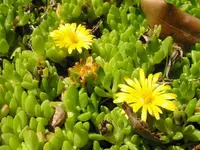
Delosperma nubigenum, commonly called hardy ice plant, is a low-growing, mat-forming succulent used mainly as a groundcover. Its fleshy leaves store water, and bright, daisy-like yellow flowers cover the foliage in warm seasons.

This species is native to rocky, alpine areas of South Africa, so it is adapted to poor, sharply drained soils and strong sun. It spreads slowly to form a dense carpet that suppresses weeds and stabilizes slopes.

Because it is drought tolerant and cold hardy compared with many succulents, it is considered easy to maintain in dry, sunny beds and rock gardens. Understanding how to care for Delosperma nubigenum starts with providing full sun, good drainage, and avoiding consistently wet conditions.

Main Plant Requirements

Care Difficulty

Easy Care

Light Preference

Full Sun

Water Requirements

Low Water

Temperature Preference

Cold Hardy

Hardiness Zone

4–9

Soil Texture

Sandy, Loamy, Rocky

Soil pH

Slightly acidic (6.5–7.0), Neutral (7.0)

Soil Drainage

Well-drained

Fertilization

Minimal (feed rarely)

Get Personalized Care Plan

Scan your plant to receive care tips personalized for your specific plant

Available on iOS and Android

How to Care for the Delosperma nubigenum

This cold-hardy ice plant thrives in bright, direct sun for compact, floriferous growth.

  • Aim for 6–8 hours of full sun daily; morning and midday sun promote dense mats and abundant flowers.
  • Plant in an open, unshaded spot; it tolerates light afternoon shade but flowering and coloration decline in more than 3–4 hours of shade.
  • In very hot, dry climates, slight afternoon shade helps prevent leaf scorching, though Delosperma nubigenum generally tolerates intense sun well.

This succulent groundcover prefers infrequent, deep watering and fast-draining soil.

  • Let the top 3–5 cm of soil dry completely before watering; in sandy soil this may mean every 10–21 days in warm weather.
  • Reduce watering sharply in fall and winter, giving only enough to prevent shriveling, especially in climates with cool, wet seasons.
  • Watch for soft, translucent leaves or stem rot as signs of overwatering, and wrinkled, deflated leaves as cues that watering is overdue.

This species is a cold-hardy succulent that tolerates a wide temperature range when soil drainage is excellent.

  • Optimal active growth occurs around 65–80°F (18–27°C), with good flowering in typical spring and early summer conditions.
  • Mature plants can survive down to about -20°F (-29°C) in dry, well-drained soil, but prolonged freeze-thaw in wet ground increases rot risk.
  • Heat tolerance is high up to about 95–100°F (35–38°C) if soil does not stay wet; provide extra water only if foliage begins to shrivel.

This alpine ice plant tolerates a wide humidity range and rarely needs special adjustment indoors or outdoors.

  • Performs reliably in 30–60% humidity, with its succulent leaves storing water to buffer short dry spells.
  • Tolerates dry indoor air; issues usually arise only when paired with heat stress and prolonged underwatering.
  • Low humidity stress shows as wrinkled, dull leaves and slow growth, best corrected by slightly deeper but infrequent watering, not misting.

Soil preparation for Delosperma nubigenum should prioritize sharp drainage and high mineral content.

  • Use a gritty, sandy mix such as 50–70% coarse sand or grit combined with a lean cactus or succulent substrate.
  • Aim for neutral to slightly alkaline pH (about 6.5–7.5), avoiding strongly acidic mixes high in peat alone.
  • Improve aeration and drainage by blending in pumice, crushed granite, or coarse perlite rather than moisture-holding compost.
  • Avoid compacted, clay-heavy, or water-retentive soils where water lingers around the roots for more than a few hours after watering.

This species is well suited to container growing, especially in shallow, fast-draining pots.

  • Choose a wide, shallow container that allows the mat-forming stems to spread while keeping the root zone close to the warm surface.
  • Select unglazed terracotta if extra evaporation is needed in wet or cool climates to prevent prolonged soggy conditions.
  • Elevate containers on pot feet or bricks so drainage holes stay clear and excess water leaves the root zone quickly after rain or watering.

This alpine succulent needs only light feeding to stay healthy in most garden soils.

  • Apply a thin layer of compost or a low-dose balanced NPK, such as 5-5-5, once in spring for Delosperma nubigenum.
  • If using liquid fertilizer, dilute to 25–50% strength and apply no more than once a month during active growth.
  • Avoid high-nitrogen products, which cause weak, lush growth and reduce flowering.
  • Stop feeding in late summer so plants harden off before cold weather and stay compact.

Pruning mainly keeps this mat-forming ice plant tidy and flowering well.

  • Best time is late winter or early spring, before strong new growth begins.
  • Use clean scissors or hand pruners to remove dead, damaged, or winter-burned stems.
  • Lightly trim back leggy, sparse patches to encourage denser new mats and more flowers.
  • Shear off spent flower stems after the main bloom flush to maintain a neat groundcover look.

This groundcover is usually grown in the ground, with container plants needing only infrequent repotting.

  • Transplant or repot in spring when growth resumes and temperatures are mild.
  • Repot when roots circle the pot, drainage slows, or growth and flowering decline.
  • Choose a shallow, wide container with very free-draining cactus or gritty mix to limit root stress.
  • Handle roots gently, keep the root ball mostly intact, water lightly once, then allow soil to dry between waterings.

This species is commonly propagated to expand groundcover or share plants.

  • Stem cuttings in late spring–summer root well in gritty, barely moist mix with bright light.
  • Division of dense mats in spring is effective; replant sections promptly and water lightly.
  • Seeds can be sown in spring on the soil surface, needing light and good drainage to germinate.
  • Keep new plants in warm, bright, sheltered conditions until roots establish and growth resumes.

This ice plant is cold hardy in many regions but still benefits from simple winter management.

  • Tolerates frost in well-drained soil, but prolonged winter wet can cause rot.
  • In colder zones, use a light gravel mulch around crowns to keep foliage off saturated soil.
  • Avoid heavy organic mulches that trap moisture against stems and roots.
  • Move containers to a sheltered, cool, bright spot and keep soil almost dry through winter.

Care Tips

Improve winter drainage

In colder climates, slightly mound the planting area or use a shallow rock berm so melting snow drains away quickly from the crown, which greatly reduces winter rot losses when growing Delosperma nubigenum.

Use gravel mulch

Top-dress around plants with a 1–2 cm layer of coarse gravel or small stones to keep foliage dry, suppress weeds, and stabilize soil temperature without trapping excess moisture.

Divide for renewal

Every 3–4 years, lift and gently pull apart congested mats in early spring, replanting only the firm, non-woody outer sections to keep the groundcover dense and flowering well.

Edge to contain spread

Install a shallow edging strip or periodically trim back stems at paths or borders to prevent the mat from overgrowing neighboring low plants and hardscape.

Rotate bloom sections

In larger plantings, replant small patches each year in slightly fresh positions so different sections reach peak flowering at different times, helping maintain a longer display and avoiding bare gaps.

Common Pests and Diseases

Aphids

This pest feeds on tender stems and flower buds, sucking plant sap and causing distortion and sticky honeydew on the foliage. Symptoms include curling new growth, misshapen flowers, and sooty mold growing on the honeydew in humid conditions.

Solution

Rinse plants with a firm stream of water to dislodge aphids, focusing on stems and flower clusters, and repeat every few days as needed. For persistent colonies, spot-treat with insecticidal soap or a light horticultural oil, applied in the early morning or evening to avoid leaf burn, and cut back heavily infested shoots to reduce reinfestation.

Spider mites

These insects prefer hot, dry, sunny rock garden conditions and feed on the foliage, causing fine speckling, dull discoloration, and in heavier infestations thin webbing between stems. Symptoms include grayish, stippled leaves that may dry and drop prematurely, especially on plants growing in very exposed sites.

Solution

Spray foliage with a strong jet of water to knock mites off and increase local humidity around the mat, which slows population growth. If damage continues, use insecticidal soap or neem oil, making sure to cover the undersides of leaves, and thin crowded mats slightly to improve air movement without exposing roots.

Mealybugs

This pest appears as small white cottony clusters nestled between succulent leaves and along stems, where it feeds on sap and weakens the mat. Symptoms include stunted growth, yellowing patches, and sticky residue that may attract ants.

Solution

Remove visible mealybugs with a cotton swab dipped in 70% isopropyl alcohol and prune out heavily infested stems. For wider spread infestations, treat the plant with insecticidal soap or neem oil at 7–10 day intervals and reduce excess nitrogen fertilization, which encourages soft growth that mealybugs prefer.

Fungal leaf spot

This disease can develop in humid, poorly ventilated sites, especially when dense mats stay wet for extended periods. Symptoms include small brown or black spots on leaves that may coalesce into irregular blotches, causing sections of the mat to look patchy and thin.

Solution

Cut out and discard affected sections of foliage, then allow the soil surface and leaves to dry between waterings by avoiding overhead irrigation. Improve airflow by gently thinning crowded areas and, in persistent cases, apply a labeled ornamental fungicide as a preventative on remaining healthy growth, following all product instructions as part of broader Delosperma nubigenum care instructions.

Crown rot

This disease develops when the plant base remains wet in heavy or poorly drained soils, especially during cool, wet winters. Symptoms include sudden collapse of sections of the mat, with the central crown becoming mushy, discolored, and easily pulled from the soil while outer stems may remain green for a short time.

Solution

Remove and discard affected plants and any obviously decomposed crown tissue, then amend the planting area with coarse grit or sand to improve drainage before replanting. Avoid watering over the crown, site plants on a slope or raised bed, and use a sharply draining mineral-rich mix so the crown dries quickly after rain, which is critical when trying to grow Delosperma nubigenum in regions with wet winters.

Interesting Facts

High-altitude specialist

This species naturally occurs on rocky slopes in high-altitude regions of the Drakensberg Mountains in South Africa and Lesotho, where it is adapted to intense sun, rapid drainage, and large temperature swings between day and night.

Exceptional cold hardiness

Unlike many ice plants, this species is reliably cold-hardy in many temperate climates and can tolerate sustained subfreezing winter temperatures when grown in sharply drained soil.

Leaf water storage

Its tiny, cylindrical leaves are succulent organs that store water and reduce surface area, helping the plant survive drought and strong mountain winds with minimal moisture loss.

Botan icon

Did you know?

In its native mountain habitat, this plant often forms dense, low mats that act as living insulation over thin soils, helping stabilize rocky substrates and slightly moderating soil temperature for roots and nearby small organisms.

FAQs about Delosperma nubigenum

This species stays very low, usually 2–5 cm tall, and spreads outward rather than upward. It forms a dense, mat-like ground cover, making it suitable for rock gardens, edging, and filling gaps between stones.

Grow Healthy Plants with Botan Care

Keep your plants happy and healthy with plant identification, disease detection, and easy care guidance.

Botan plant care app — identify plants on mobile

Explore More Plants