Anacampseros filamentosa Care

Anacampseros filamentosa

About Anacampseros filamentosa

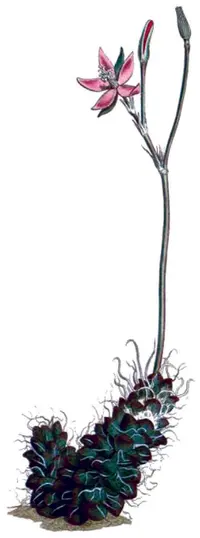
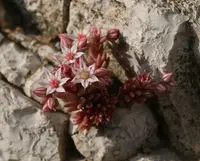
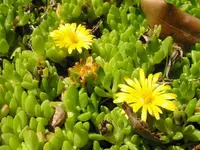
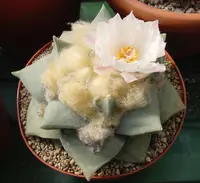
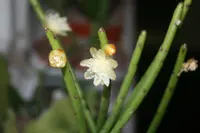
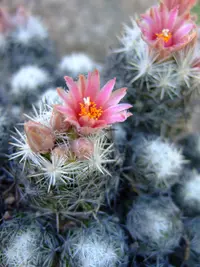
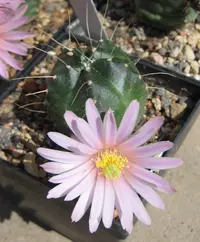
Anacampseros filamentosa is a compact, slow-growing succulent from arid regions of South Africa and Namibia. It forms low rosettes with thick, triangular leaves that often blush pink or purple in strong light. Fine white hairs collect around the foliage, helping the plant reduce moisture loss and giving it a distinctive, tufted look. Small, starry flowers appear on slender stems in warm conditions. This species stays small, so it suits windowsills and container collections. It prefers bright light, lean gritty soil, and careful watering that allows the roots to dry between waterings. Due to its drought tolerance and modest size, it is considered relatively easy to care for Anacampseros filamentosa.


Main Plant Requirements

Care Difficulty

Easy Care

Light Preference

Full Sun

Water Requirements

Low Water

Temperature Preference

Tropical / Frost Sensitive

Hardiness Zone

10–11

Soil Texture

Sandy, Loamy, Rocky

Soil pH

Slightly acidic (6.5–7.0), Neutral (7.0)

Soil Drainage

Well-drained

Fertilization

Minimal (feed rarely)

Get Personalized Care Plan

Scan your plant to receive care tips personalized for your specific plant

Available on iOS and Android

How to Care for the Anacampseros filamentosa

This compact succulent needs bright light to maintain its dense, colorful rosettes and tight growth form.

  • Provide 4–6 hours of direct morning sun with bright, filtered light the rest of the day; in very hot regions, give protection from harsh afternoon sun.
  • Outdoors, place Anacampseros filamentosa in an open, unshaded spot that still avoids reflected midday heat from walls or stone surfaces.
  • In summer, watch for bleaching or crisping leaves as a sign of too much sun, and for stretched, pale growth as a sign of insufficient light.

This plant stores moisture in its leaves and needs infrequent, careful watering to avoid root damage.

  • Water only when the top 2–4 cm of soil are completely dry, using a thorough soak followed by full drainage so no water stands around the roots.
  • Use a sharply draining, gritty mix or sandy soil; persistent dampness, a sour smell, or mushy leaves indicate overwatering and possible rot.
  • In spring and summer, drying may be faster and watering slightly more frequent, while in cooler seasons allow the soil to stay dry for longer between waterings.

This species prefers warm, dry conditions and is sensitive to prolonged cold and frost.

  • Aim for daytime temperatures around 70–85°F (21–29°C) during active growth, with slightly cooler nights to mimic its natural habitat.
  • Protect the plant from frost; it is best kept above 40°F (4°C), and growth slows noticeably below about 50°F (10°C).
  • In heat waves above 95°F (35°C), increase airflow, provide light shade during the hottest hours, and avoid watering during peak midday heat to limit stress.

This compact succulent tolerates dry indoor air and does not require elevated humidity.

  • Target 30–50% humidity, which matches most heated or air-conditioned homes.
  • Tolerates drops to 20% humidity if watering is appropriate and roots are not kept wet.
  • Watch for soft, translucent leaves as a sign of overwatering rather than humidity stress; adjust watering and airflow instead.

This species needs a very fast-draining, mineral-based substrate to prevent root rot.

  • Use a gritty mix such as 50–70% inorganic material (pumice, coarse sand, or small gravel) blended with cactus potting mix.
  • Aim for a loose, crumbly structure that does not compact after watering, allowing air to reach the fine roots.
  • Keep pH slightly acidic to neutral, around 6.0–7.0, which suits most commercial cactus or succulent mixes.
  • Avoid dense peat-only mixes or moisture-retentive garden soil, which hold water around the roots and quickly damage Anacampseros filamentosa.

This small, shallow-rooted succulent is well suited to container cultivation.

  • Choose a wide, shallow pot to accommodate its spreading rosettes and prevent the plant from sitting in a deep mass of wet mix.
  • Select unglazed clay if extra evaporation is needed, or glazed/ plastic if the pot dries extremely quickly in your climate.
  • Ensure the container is heavy or stable enough that the clustered foliage cannot tip it when positioned on narrow shelves or ledges.

This compact succulent needs only light feeding to stay healthy and compact.

  • Use a balanced, low-nitrogen cactus fertilizer (around 5-10-10) or diluted all-purpose liquid feed at 1/4–1/2 strength.
  • Apply once every 4–6 weeks during spring–summer while Anacampseros filamentosa is actively growing.
  • Avoid fertilizing stressed or freshly repotted plants to prevent root burn.
  • Stop feeding in autumn–winter, when growth slows, to reduce soft, weak tissue.

Pruning needs are minimal and focus on hygiene and maintaining a neat rosette form.

  • Best time for pruning is late spring or early summer, when growth resumes after winter rest.
  • Remove dead, shriveled, or damaged leaves at the base with clean fingers or fine scissors.
  • Thin out crowded, elongated stems to improve air flow and keep rosettes compact.
  • Disinfect tools before use to lower the risk of fungal or bacterial infections.

This slow-growing succulent usually prefers infrequent repotting in shallow, well-drained containers.

  • Repot every 2–3 years in spring when roots circle the pot, emerge from drainage holes, or growth becomes sluggish.
  • Choose a pot just 1–2 in wider with ample drainage and a gritty cactus mix to limit excess moisture.
  • Gently tease apart compacted roots, remove old soil, and trim rotten roots with sterile scissors.
  • After repotting, keep soil slightly dry for 5–7 days to let any root wounds callus and reduce rot risk.

Propagation is straightforward and commonly done to expand a small cluster into a fuller planting.

  • Use leaf cuttings or offsets in late spring–summer for the highest success rate and fastest rooting.
  • Gently twist off healthy leaves or separate offsets, letting cut ends dry and callus for 1–2 days.
  • Set pieces on barely moist, gritty mix in bright, indirect light at 70–80°F.
  • Keep soil just lightly damp until new roots and tiny rosettes appear, then treat as mature plants.

Cold-sensitive Anacampseros filamentosa requires careful winter management, especially in climates with frost.

  • Avoid exposure below 30–32°F; in cold regions, grow in containers rather than in-ground beds.
  • Before first frost, move pots indoors to a bright windowsill or cool greenhouse.
  • Keep soil almost dry in winter, watering lightly only when leaves start to wrinkle.
  • Provide good airflow and avoid drafts from very cold windows to limit tissue damage.

Care Tips

Controlled clump division

Divide congested clumps only during active spring growth, lifting the entire plant, gently separating offsets with at least a few roots attached, then replanting in fresh, dry mix and withholding water for 3–5 days to let wounds callus.

Terracotta microclimate

Use a shallow, unglazed terracotta bowl with a wide surface area to keep the root zone airy and dry, spacing rosettes so none touch the pot rim to reduce rot and improve air movement between plants.

Light acclimation steps

When moving plants outdoors or closer to a window, increase light in 3–4 small steps over 2–3 weeks to preserve compact growth and leaf color without causing sunburn on the upper leaves.

Targeted pest checks

Inspect the tight leaf bases and lower stem line every 1–2 weeks with a hand lens, and if mealybugs appear, dab them individually with 70% isopropyl alcohol on a cotton swab instead of spraying the whole plant.

Seasonal growth pause

In very hot, bright summers, watch for slowed leaf production as a semi-dormant signal and respond by slightly reducing water and avoiding repotting or dividing during this period, which supports safer long-term Anacampseros filamentosa care.

Common Pests and Diseases

Mealybugs

This pest feeds on succulent leaves and stem joints, leaving white, cotton-like clusters and causing stunted or distorted growth. Symptoms include sticky honeydew and sooty mold on compact rosettes.

Solution

Isolate the plant, then dab visible insects with cotton swabs dipped in 70% isopropyl alcohol and repeat weekly until gone. Improve light and airflow, and use a ready-to-use insecticidal soap or neem oil spray directed into leaf crevices, keeping the mix off the soil to avoid overwatering the roots.

Aphids

These insects gather on new growth and flower stalks, sucking sap and causing puckered leaves and weakened stems. Symptoms include sticky residue and sometimes distorted or yellowed leaf tips.

Solution

Rinse colonies off with a firm stream of water, shielding the soil surface to keep it from becoming waterlogged. Follow up with insecticidal soap or neem oil every 5–7 days until no new aphids appear, and avoid excess nitrogen fertilizer that encourages soft, aphid-prone growth when growing Anacampseros filamentosa.

Spider mites

This pest thrives in hot, dry conditions, causing tiny pale speckles on leaves and fine webbing between rosettes. Symptoms include dull, grayish foliage that may shrivel over time.

Solution

Shower the plant gently to wash off mites, then increase air circulation and avoid prolonged, extremely dry indoor air right above heat sources. Use repeated applications of insecticidal soap or a miticide labeled for ornamental succulents, focusing on the undersides of leaves and tight rosette centers.

Soft rot (bacterial)

This disease causes sudden, mushy, translucent patches at the leaf base or stem that spread quickly, often with a foul odor. Symptoms include collapsing rosettes and wet, discolored tissue at or just above the soil line.

Solution

Remove the plant from its pot and cut away all soft, discolored tissue with a sterile blade, leaving only firm, healthy parts that can be calloused and re-rooted. Discard contaminated soil, sterilize the container, and replant only in fresh, fast-draining succulent mix, then reduce watering and keep the plant in bright, airy conditions.

Leaf spot (fungal)

This disease produces small brown or black spots on leaves that may enlarge and cause localized collapse in thick succulent tissue. Symptoms include blemished foliage on the outer rosettes, often after prolonged moisture on leaves or poor airflow.

Solution

Remove and discard affected leaves, then space plants farther apart and keep foliage dry, especially during cooler months. If spots continue to spread, apply a sulfur-based or copper-based fungicide labeled for ornamentals, and adjust watering so the soil dries well between waterings while maintaining good light and ventilation for optimal Anacampseros filamentosa care.

Interesting Facts

Fiber-like leaf hairs

The leaves produce long, white, hair-like outgrowths that tangle into a woolly mat, helping shade the leaf surface and reduce water loss in its arid native habitats of South Africa and Namibia.

Color-shifting rosettes

Its small rosettes can shift from green to reddish or purplish tones when exposed to strong light, a response linked to protective pigments called anthocyanins that shield tissues from excess sun.

Night-opening flowers

The slender pink to white flowers typically open in the late afternoon or evening and close again by the next morning, a rhythm that likely aligns with its natural pollinators in dry regions.

Botan icon

Did you know?

In habitat, this species often grows partly nestled among gravel or small rocks, with its leaf rosettes and woolly hairs helping trap brief moisture from fog or dew that would otherwise evaporate quickly in its semi-desert environment.

FAQs about Anacampseros filamentosa

This species usually flowers when mature, well-rooted, and exposed to strong light with a distinct warm season. Lack of blooms often relates to insufficient light, cool temperatures, or too much nitrogen fertilizer encouraging foliage instead of flowers.

Grow Healthy Plants with Botan Care

Keep your plants happy and healthy with plant identification, disease detection, and easy care guidance.

Botan plant care app — identify plants on mobile

Explore More Plants