


Deep pot choice
Use a wide, heavy, and relatively shallow clay pot with large drainage holes so the flattened taproot can spread while the plant body stays low and stable against strong sun and wind.

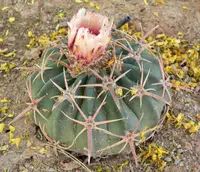
Horse crippler (Echinocactus texensis) is a compact, slow-growing barrel cactus native to arid regions of Texas and northern Mexico. It usually sits low to the ground with a flattened, rounded body. Dense, heavy spines radiate from each rib, giving strong protection and a distinctive rugged look. In spring, it produces large, showy pink to rose flowers at the top of the plant. This species is adapted to intense sun, high heat, and very dry, rocky soils, which makes it drought-tolerant but sensitive to excess moisture. Understanding how to care for horse crippler starts with providing bright light, excellent drainage, and careful watering restraint.

Care Difficulty
Easy Care

Light Preference
Full Sun

Water Requirements
Low Water

Temperature Preference
Warm Climate

Hardiness Zone
7–10

Soil Texture
Sandy, Loamy, Rocky

Soil pH
Slightly acidic (6.5–7.0), Neutral (7.0)

Soil Drainage
Well-drained

Fertilization
Minimal (feed rarely)
Scan your plant to receive care tips personalized for your specific plant
Available on iOS and Android
This cactus thrives in strong light that mimics its open, arid native habitat.
This desert cactus needs infrequent but deep watering with fast drainage.
This species prefers warm to hot conditions with brief exposure to cooler nights.
Humidity is rarely a concern for this desert cactus in home conditions.
This species needs very fast-draining, mineral-rich soil to prevent root and stem rot.
This cactus is well suited to container growing due to its slow, compact habit.
Echinocactus texensis grows slowly and needs only light, targeted feeding during its warm-season growth.
Pruning needs for Echinocactus texensis are minimal and focus on cleanliness rather than shaping.
This cactus dislikes frequent disturbance, so repot or transplant only when clearly necessary.
Propagation of Echinocactus texensis is usually done from seed and is relatively slow.
This species is fairly cold tolerant when dry but still benefits from thoughtful winter management.

Plant Health Check
Not sure what's wrong with your plant? Check your plant's health inside the app.
This cactus typically grows wider than tall, forming a low, strongly ribbed, flattened barrel that often sits almost level with the soil surface in its native habitat.
In its native range on grazed rangelands, the dense central spine cluster and low profile help it resist damage from cattle hooves and trampling, which contributed to its common name horse crippler.
Despite coming from arid regions of Texas and northern Mexico, this species can survive brief exposure to temperatures well below freezing when kept dry, making it one of the more cold-tolerant barrel cacti.

Archaeobotanical evidence from sites in the southwestern United States and northern Mexico shows that Indigenous peoples historically used the large, fleshy seeds of this species as a food source, indicating that it played a minor but documented role in traditional diets.
Growth is slow, typically only a few millimeters per year. Seedlings remain small for many years, and reaching a mature, flattened barrel shape can take decades, especially in containers or cooler climates.
Keep your plants happy and healthy with plant identification, disease detection, and easy care guidance.

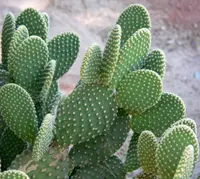
Bunny Ear Cactus
Opuntia microdasys
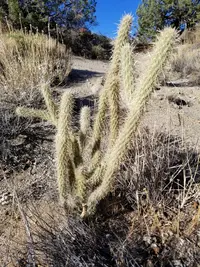
Gander's buckhorn cholla
Cylindropuntia ganderi
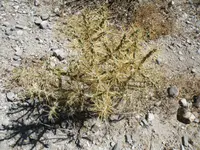
candle cholla
Cylindropuntia kleiniae
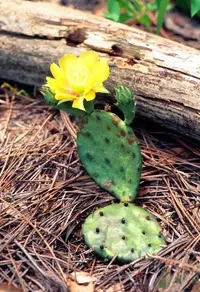
Eastern Prickly Pear
Opuntia humifusa
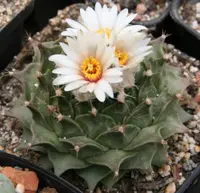
Artichoke cactus
Obregonia denegrii
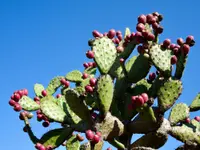
Prickly pear
Opuntia ficus-indica
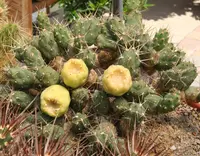
Cumulopuntia boliviana
Cumulopuntia boliviana
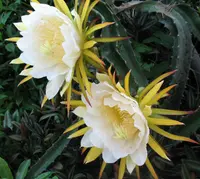
Red-fleshed dragonfruit
Selenicereus costaricensis