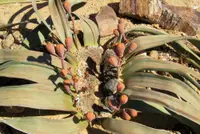
Brandegee's Hedgehog Cactus Care (Echinocereus brandegeei)

Brandegee's Hedgehog Cactus

About Brandegee's Hedgehog Cactus

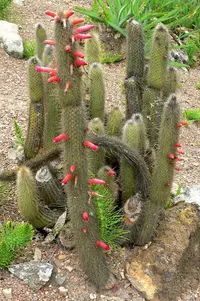
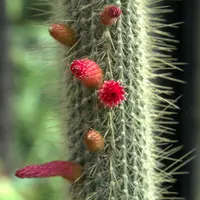
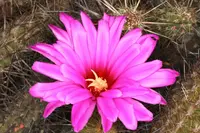
Brandegee's hedgehog cactus, Echinocereus brandegeei, is a small columnar cactus native to arid regions of Baja California in Mexico. It forms clustered stems covered with dense, colorful spines. In suitable conditions it produces showy tubular flowers, often pink to magenta, that contrast strongly with the spines. Plants stay relatively compact, which makes them suitable for containers and rock gardens. This species is adapted to intense sun, high temperatures, and very sharp drainage, so it dislikes prolonged moisture around the roots. For anyone learning how to care for Brandegee's Hedgehog Cactus, its slow growth and drought tolerance generally make it a low-maintenance option if light and drainage are correct.

Main Plant Requirements

Care Difficulty

Moderate Care

Light Preference

Full Sun

Water Requirements

Low Water

Temperature Preference

Tropical / Frost Sensitive

Hardiness Zone

10–11

Soil Texture

Sandy, Rocky, Loamy

Soil pH

Slightly acidic (6.5–7.0), Neutral (7.0)

Soil Drainage

Well-drained

Fertilization

Minimal (feed rarely)

Get Personalized Care Plan

Scan your plant to receive care tips personalized for your specific plant

Available on iOS and Android

How to Care for the Brandegee's Hedgehog Cactus

This cactus needs strong, direct sun to stay compact and flower well.

  • Provide 6–10 hours of direct sun daily; full sun exposure suits most outdoor sites in arid or semi-arid climates.
  • Allow some light afternoon shade in very hot regions to reduce scorching or yellowing, especially for young Brandegee's Hedgehog Cactus plants.
  • In winter, ensure the site stays bright and as unobstructed as possible; long-term shade leads to stretched, weak growth and poor blooming.

This cactus is highly drought tolerant and prefers thorough but infrequent watering.

  • Water only when the top 3–5 cm of soil are completely dry; in hot, dry weather this may mean deep watering every 2–4 weeks.
  • Use very fast-draining, gritty soil so water runs through quickly; standing moisture around roots causes softness, black spots, or collapse from rot.
  • During cool winter dormancy, keep almost dry, watering just enough to prevent severe shriveling of Echinocereus brandegeei stems.

This desert cactus prefers warm conditions and does poorly in frost or prolonged cold.

  • Aim for active growth temperatures of 70–90°F (21–32°C), with low humidity and good air movement.
  • Protect from frost; brief dips to 25–30°F (-4 to -1°C) may be tolerated when soil is dry, but repeated freezes damage tissues.
  • In summer heat above 100°F (38°C), provide excellent airflow and, if possible, light afternoon shade to limit stress and sunburn.

This cactus prefers very dry air and rarely suffers from low household humidity.

  • Aim for 20–40% humidity, similar to arid desert conditions.
  • Tolerates drier air but prolonged humidity above 50% encourages rot and fungal spots at the stem base.
  • If humidity is high, increase air movement with a small fan and avoid misting to keep the epidermis and soil surface dry.

This species needs a very fast-draining, mineral-rich substrate that dries quickly between waterings.

  • Use a gritty mix such as 50–70% inorganic material (pumice, coarse sand, small gravel, or perlite) with 30–50% cactus potting mix.
  • Keep structure loose and open so water runs through in seconds and roots receive steady air contact.
  • Target a slightly acidic to neutral pH around 6.0–7.0, avoiding strongly alkaline mixes that can lock up nutrients.
  • For Echinocereus brandegeei, avoid dense peat-heavy or clay-based substrates that stay wet or compact, as these promote root rot.

This cactus is well suited to container cultivation when planted in a stable, very free-draining setup.

  • Choose a pot just slightly wider than the root ball to limit excess wet substrate and speed drying after irrigation.
  • Select unglazed terracotta to allow moisture to evaporate through the pot walls and reduce the risk of root rot.
  • Use a low, broad container if the clumps become top-heavy, so the weight of the stems does not tip the pot over.

This desert cactus benefits from light feeding but grows well in lean soil, so use modest amounts of fertilizer.

  • Use a low-strength balanced cactus fertilizer (such as diluted 10-10-10) or a specialized cactus feed at 1/4–1/2 label rate.
  • Apply during the active growing season in spring–summer, about every 4–6 weeks if growth is visible.
  • Avoid organic compost or rich slow-release pellets that hold excess moisture around roots.
  • Stop feeding Brandegee's Hedgehog Cactus in fall and winter to allow proper dormancy and reduce rot risk.

Pruning needs for Echinocereus brandegeei are minimal and focus on health rather than shaping.

  • Best time for any pruning is late spring or early summer, after flowering has finished.
  • Remove only dead, dried, or clearly damaged stems using clean, sharp scissors or pruners.
  • Cut close to the base without injuring healthy tissue to limit infection risk.
  • Pruning does not improve flowering or shape significantly, so keep cuts conservative and infrequent.

Container-grown plants need infrequent repotting because this cactus prefers tight, stable root conditions.

  • Repot every 3–4 years or when roots circle the pot, growth slows, or soil stays wet too long.
  • Plan repotting for late spring, using a dry, fast-draining cactus mix and a pot only 1 size larger.
  • Gently loosen the root ball, remove old loose soil, and handle the body with folded newspaper or tongs.
  • Keep roots dry for 5–7 days after repotting before a light watering to reduce stress and rot risk for Echinocereus brandegeei.

This cactus is commonly propagated from offsets and seeds under warm, dry conditions.

  • Detach offsets in late spring–summer, allowing cut surfaces to callus for 5–7 days in shade.
  • Place callused pieces on barely moist cactus mix, keeping warmth (70–80°F) and bright, indirect light.
  • Sow seeds on the surface of sterile, gritty mix, barely covering them and keeping slightly moist, not wet.
  • Provide strong air circulation and avoid overhead watering until roots establish to prevent fungal issues.

This species needs dry, cool but frost-limited conditions in winter to stay healthy and flower well later.

  • Keep soil almost completely dry from late fall through winter to prevent root rot.
  • Maintain temperatures roughly 40–55°F; brief light frosts may be tolerated if the plant is dry.
  • Move container plants indoors or to an unheated, bright garage or porch before hard freezes.
  • Avoid cold drafts near windows and do not cover the cactus with plastic, which traps moisture against tissues.

Care Tips

Rock-mulch base

Place a 1–2 in layer of coarse gravel or small rocks around the base to stabilize the stems, keep the crown dry, and mimic its natural rocky habitat, which helps reduce crown rot risk.

Slight root exposure

When potting, set the plant so the top of the root neck sits just at or slightly above the soil line, which improves airflow at the crown and lowers the chance of fungal infections in older clumps.

Gradual clump division

If an old cluster becomes overcrowded, detach only a few healthy offsets at a time with a sterile, thin knife, let the wounds callus for 5–7 days, then root them in a separate tray to maintain vigor of the mother plant.

Cold season protection

In marginal climates, keep the plant dry in late fall and use a vented cover (such as a rigid cold frame or clear rain shield) during wet cold spells to prevent moisture-related damage to the stems.

Targeted mealybug control

Inspect stem ribs and areoles monthly, and at the first sign of mealybugs dab each insect with a cotton swab dipped in 70% isopropyl alcohol, repeating weekly until no new pests appear, which supports long-term success in caring for Brandegee's Hedgehog Cactus.

Common Pests and Diseases

Cochineal scale

This pest appears as small white, cottony clusters along ribs and in areoles, often exuding red carmine dye when crushed. Symptoms include sticky residue and gradual yellowing or shriveling of stems if populations are high.

Solution

Physically remove clusters with a cotton swab dipped in 70% isopropyl alcohol, then rinse the plant with a firm stream of water and allow it to dry in bright, airy conditions. For persistent infestations, use a ready-to-use insecticidal soap or horticultural oil labeled for cacti, applied in the evening and repeated every 7–10 days until no new scale appears.

Spider mites

These insects are tiny and often invisible at a glance, but cause fine speckling, dullness, and a dusty look on stems, sometimes with thin webbing in dry, hot conditions. Symptoms include slow growth and loss of natural green or bluish tones.

Solution

Increase humidity around the plant slightly and spray stems thoroughly with a strong jet of water to dislodge mites, repeating several times over 1–2 weeks. Follow with an application of insecticidal soap or a light horticultural oil, ensuring good coverage of all ribs and crevices, and improve air circulation around the plant to prevent recurrence when growing Brandegee's Hedgehog Cactus.

Mealybugs

This pest forms white, cottony masses tucked into stem joints, around the base, and sometimes on roots, leading to weakened, stunted plants. Symptoms include honeydew, sooty mold growth on the residue, and distorted new growth.

Solution

Inspect all crevices and remove visible mealybugs manually with a toothpick or cotton swab dipped in 70% isopropyl alcohol, then flush the plant gently with water. In heavier infestations, unpot the cactus to check roots for root mealybugs, wash off old soil, repot in fresh, fast-draining mix, and use a systemic insecticide labeled for ornamental cacti if allowed in your area.

Fusarium stem rot

This disease causes localized brown to reddish, sunken lesions on stems that may enlarge and become soft, especially after mechanical damage or excess moisture. Symptoms include segment collapse and eventual death of affected areas if not removed.

Solution

Cut out all affected tissue with a sterile, sharp knife, making sure to remove a margin of healthy tissue until only firm, clean flesh remains, then allow the wound to dry and callus in a dry, bright location for several days. Reduce watering, ensure a very fast-draining mineral-rich substrate, and avoid wetting the stems, especially in cool conditions, to lower reinfection risk.

Sunscald

This disorder develops when plants grown in shade or during cool seasons are suddenly exposed to intense sun, leading to bleached, yellow to white patches that later turn corky. Symptoms include permanent discoloration on the sun-exposed side of stems.

Solution

Acclimate plants gradually to higher light by increasing direct sun exposure over 10–14 days, and move recently purchased or shaded plants to a spot with bright, filtered sun before full exposure. Damaged tissue will not green up again, but stable, corky areas can remain if the plant is otherwise healthy; prevent further damage by providing light afternoon shade in very hot, reflective sites.

Interesting Facts

Peninsular Baja endemic

This cactus is naturally restricted to the southern Baja California Peninsula, where it grows on rocky slopes and volcanic outcrops close to the Pacific and Gulf coasts.

Clustering cylindrical stems

Mature plants form dense clumps of many upright, slender stems, each covered in tight rows of spines that help shade the surface from intense desert sun.

Narrow-tubed pink flowers

It produces showy pink to magenta flowers with relatively narrow tubes, an adaptation that favors pollination by specific long-tongued insects in its native habitat.

Botan icon

Did you know?

In parts of its native range, this species often roots in shallow cracks of exposed rock, allowing it to exploit minimal pockets of soil and survive in sites that many other cacti cannot colonize.

FAQs about Brandegee's Hedgehog Cactus

This species usually blooms in spring to early summer, producing showy funnel-shaped flowers in shades of pink to magenta. Blooms last several days, often opening in daylight and closing at night, especially during cooler weather.

Grow Healthy Plants with Botan Care

Keep your plants happy and healthy with plant identification, disease detection, and easy care guidance.

Botan plant care app — identify plants on mobile

Explore More Plants