Chinese Evergreen Care (Aglaonema 'Lady Valentine')

Chinese Evergreen

About Chinese Evergreen

Chinese evergreen Aglaonema 'Lady Valentine' is a compact tropical foliage plant grown mainly for its colorful leaves. It is a popular indoor plant in homes and offices.

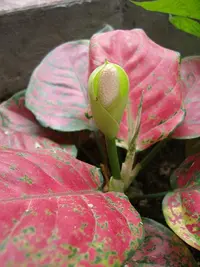
This cultivar has broad, oval leaves splashed with pink, rose, and green, forming a dense, upright clump rather than a trailing or vining habit. New leaves emerge from a short central stem over time.

Aglaonema species come from shaded, humid forests in Southeast Asia, so this plant adapts well to typical indoor conditions and moderate light. It is considered forgiving, which makes it easier to learn how to care for Chinese Evergreen for beginners.

It prefers stable indoor temperatures, bright indirect light, evenly moist but not soggy soil, and a potting mix that drains well yet holds some moisture.


Main Plant Requirements

Care Difficulty

Easy Care

Light Preference

Bright Indirect Light

Water Requirements

Moderate Water

Temperature Preference

Tropical / Frost Sensitive

Hardiness Zone

11–12

Soil Texture

Loamy, Peaty, Organic-rich

Soil pH

Acidic (5.5–6.5), Slightly acidic (6.5–7.0)

Soil Drainage

Moist but well-drained

Fertilization

Light (every 4–6 weeks)

Get Personalized Care Plan

Scan your plant to receive care tips personalized for your specific plant

Available on iOS and Android

How to Care for the Chinese Evergreen

Aglaonema 'Lady Valentine' prefers bright, filtered light and tolerates lower light better than strong direct sun.

  • Provide 6–8 hours of bright, indirect light each day, such as near an east or north window with sheer curtains or dappled shade outdoors.
  • Tolerates partial shade and low light, but growth slows and pink coloring fades if light is too dim; rotate the pot to prevent leaning.
  • Protect this Chinese Evergreen from harsh midday or afternoon sun, which can cause brown, scorched patches on leaves, especially in summer.

Water Aglaonema 'Lady Valentine' so the soil stays lightly moist but never soggy.

  • Before watering, let the top 2–4 cm of soil dry; check with a finger rather than following a strict schedule.
  • In spring and summer, it may need water every 7–10 days, but in fall and winter extend intervals as growth slows and drying takes longer.
  • Watch for yellowing, mushy stems as signs of overwatering and crisp leaf edges or drooping, light soil as signs of underwatering; always use well-draining soil.

This plant prefers warm, stable temperatures without drafts or sudden swings.

  • Aim for 65–80°F (18–27°C) for steady growth; it performs best with consistent warmth and moderate humidity.
  • Avoid temperatures below 60°F (16°C); exposure to 50–55°F (10–13°C) can cause leaf yellowing, droop, and slowed recovery.
  • Protect from cold drafts, air-conditioning blasts, and hot, dry air above 86°F (30°C), which can scorch leaves; provide shade and extra humidity in heat waves.

This plant prefers moderate to moderately high humidity and stays healthiest around 50–60%.

  • Tolerates typical indoor air down to about 35–40% humidity but grows more evenly and keeps leaf color better above 45%.
  • Low humidity stress shows as brown, crispy leaf edges, curling, and slower new growth, especially in heated rooms.
  • Increase humidity with a nearby humidifier, grouping plants together, or placing the pot on a pebble tray with water kept below the pot base.

Aglaonema 'Lady Valentine' prefers a loose, airy, organic-rich potting medium that drains quickly yet holds some moisture.

  • Use a peat- or coco-based houseplant mix amended with 20–30% perlite and/or fine bark to improve aeration and drainage.
  • Aim for slightly acidic to neutral pH, roughly 6.0–7.0, which supports balanced nutrient availability and root health.
  • Ensure the mix feels springy and crumbly, not compact; dense, heavy substrates limit oxygen and promote root rot.
  • Avoid garden soil, straight compost, or mixes that stay wet for longer than 3–4 days after thorough watering.

This species is very suitable for container growing and adapts well to typical indoor pot culture.

  • Choose a container just 2–5 cm wider than the root ball to keep the mix from staying wet for too long after watering.
  • Use a stable, heavier pot or cachepot if the foliage becomes one-sided to prevent tipping when the plant is bumped.
  • Select materials with moderate moisture retention, such as ceramic or thick plastic, if room air is dry and the potting mix dries quickly.

This Chinese Evergreen cultivar benefits from light, consistent feeding during active growth for steady foliage color and size.

  • Use a balanced liquid fertilizer (around 10-10-10 or 20-20-20) diluted to 1/4–1/2 strength for container plants.
  • Feed every 4–6 weeks in spring and summer when growth is visible, skipping months with very slow growth.
  • Stop fertilizing in late fall and winter, as cooler temperatures and low light reduce nutrient demand.
  • Avoid heavy organic compost layers in pots, which can stay too wet; use a quality peat- or coir-based mix instead.

Pruning Aglaonema 'Lady Valentine' is mainly done to maintain a neat shape and remove declining foliage.

  • Best time for pruning is late winter to early spring, before strong new growth starts.
  • Use clean, sharp scissors or pruners to remove yellow, brown, or damaged leaves at the base of the stalk.
  • Thin out crowded inner stems to improve light penetration and encourage a fuller, bushier plant.
  • Cutting back leggy stems just above a node can stimulate branching and denser foliage.

Repotting keeps the root system healthy and supports stable foliage growth in this compact indoor aroid.

  • Plan to repot every 2–3 years in spring when roots circle the pot, emerge from drainage holes, or growth slows.
  • Choose a pot only 2–5 cm wider with drainage holes and use a well-drained, airy houseplant mix.
  • Gently loosen circling roots and remove a small amount of old soil without breaking large, healthy roots.
  • Water lightly after repotting, keep out of direct sun for 7–10 days, and avoid fertilizing for about 4 weeks to limit stress.

New Aglaonema 'Lady Valentine' plants are most reliably produced through division and stem cuttings.

  • Divide clumps in spring while repotting, separating sections with at least 3–4 leaves and a healthy root portion each.
  • For stem cuttings, select firm, pest-free stems and cut below a node using clean, sharp scissors or pruners.
  • Root cuttings in water or a moist, well-drained mix at 70–80°F with bright, indirect light and high humidity.
  • Keep the medium just slightly moist, not soggy, and avoid strong fertilizer until new roots and leaves form.

This tropical houseplant is not frost tolerant and needs stable indoor conditions during winter in most climates.

  • Maintain indoor temperatures around 65–75°F and avoid drafts from doors, windows, or heating vents.
  • Bring any outdoor containers inside before temperatures drop near 55°F to prevent cold damage.
  • Place away from single-pane windows where foliage may experience chilling injury on very cold nights.

Care Tips

Quarterly leaf wash

Every 2–3 months, gently wipe both sides of each leaf with a soft cloth dampened with lukewarm water plus a drop of mild soap, then rinse with plain water to remove dust, improve light capture, and reduce spider mite and scale buildup.

Rotate for even variegation

Rotate the pot 90° every 2–3 weeks so all sides receive similar light, which helps maintain balanced pink variegation and prevents one-sided, leaning growth.

Controlled root pruning

When repotting a root-bound plant, trim away up to 10–15% of congested outer roots with a clean, sharp tool and replant in fresh mix to encourage new feeder roots and more stable growth.

Preventive pest scouting

Inspect the undersides of leaves and leaf axils every 2–3 weeks with a hand lens, and isolate and treat the plant promptly at the first sign of sticky residue, webbing, or small crawling insects to stop infestations before they spread.

Seasonal light adjustment

In winter, move the plant 0.5–1 m closer to a window or use a low-wattage grow light on a 10–12 hour timer to compensate for shorter days and maintain compact, colorful foliage when growing Chinese Evergreen.

Common Pests and Diseases

Spider mites

This pest thrives in warm, dry indoor air and feeds on sap, causing fine stippling, dull leaves, and delicate webbing on undersides. Symptoms include faded pink variegation and a rough, dusty look to the foliage.

Solution

Rinse leaves thoroughly with lukewarm water, including undersides, then increase humidity and isolate the plant. For heavier infestations, apply insecticidal soap or a neem oil solution every 7–10 days, repeating until no new webbing or speckling appears.

Mealybugs

These insects appear as white, cottony clusters along leaf midribs, in leaf axils, and at the base of stems, where they suck sap and stunt new growth. Symptoms include sticky honeydew, distorted new leaves, and slowed overall growth.

Solution

Remove visible clusters with cotton swabs dipped in 70% isopropyl alcohol, then wash the foliage with a mild soapy water solution. Repeat inspections weekly and treat new spots promptly; for persistent populations, use a systemic houseplant insect control product labeled for mealybugs in potted foliage plants.

Scale insects

These insects form small, hard, brown or tan bumps on stems and leaf midribs and remain fixed while feeding. Symptoms include yellowing patches, leaf drop, and sticky residue on nearby surfaces.

Solution

Gently scrape or wipe off individual scales with a soft cloth or fingernail, then treat affected areas with horticultural or neem oil to suffocate remaining juveniles. Inspect all stems and the pot rim every 7–10 days and reapply oil as needed until no new scales appear.

Bacterial leaf spot

This disease causes water-soaked, translucent patches that later turn dark brown with yellow halos, often starting on older leaves or in dense, poorly ventilated foliage. Symptoms include irregular spots that may coalesce and lead to partial leaf collapse.

Solution

Remove and discard affected leaves, avoid getting water on the foliage, and space plants to improve airflow. Allow the top of the soil to dry slightly between waterings, keep leaves dry, and if spread continues, apply a copper-based bactericide labeled for indoor ornamentals according to instructions.

Anthracnose leaf spot

This disease produces small, dark, sunken lesions along leaf margins or between veins, especially under consistently moist, warm conditions. Symptoms include necrotic patches that may follow the leaf veins and reduce the decorative pink coloring.

Solution

Prune out and discard infected leaves and any fallen debris from the pot surface, then reduce overhead misting and avoid prolonged leaf wetness. Provide good air circulation and, if the problem persists, use a fungicide labeled for anthracnose on indoor foliage plants, applying at the lowest effective rate.

Interesting Facts

Color linked to light

This cultivar was selected so its pink leaf areas expand under brighter indoor light, while in lower light the same plant often produces more green-speckled leaves with reduced pink.

Man-made ornamental hybrid

Lady Valentine does not occur in the wild; it is a horticultural selection bred from Southeast Asian Aglaonema species for stable pink blotching and tolerance of typical indoor humidity and temperature ranges.

Variable leaf patterning

Individual plants from the same clone can show different pink-to-green ratios on their leaves over time, because new foliage responds to factors like light intensity, age of the plant, and seasonal growth rate.

FAQs about Chinese Evergreen

Brown leaf tips or edges usually come from low humidity, overfertilizing, or a build-up of salts from tap water. Use filtered water, flush the pot occasionally, trim damaged tips, and avoid placing it near heating or AC vents.

Grow Healthy Plants with Botan Care

Keep your plants happy and healthy with plant identification, disease detection, and easy care guidance.

Botan plant care app — identify plants on mobile

Explore More Plants