oakleaf fig Care (Ficus montana)

oakleaf fig

About oakleaf fig

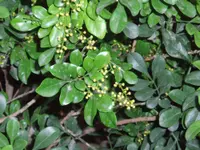
The oakleaf fig, Ficus montana, is a compact, vining or trailing fig species often grown as a houseplant or in terrariums. It has small, oak-shaped leaves with a slightly fuzzy texture and a dense, branching habit.

In nature, it occurs in tropical regions of Southeast Asia, where it grows as an understory plant on rocks, tree trunks, or forest floors. Its tolerance of pruning, moderate growth rate, and adaptability to indoor conditions make it relatively manageable for beginners.

It prefers bright, indirect light, evenly moist but not waterlogged soil, and stable indoor temperatures, which guides most advice on how to care for oakleaf fig.

Main Plant Requirements

Care Difficulty

Moderate Care

Light Preference

Bright Indirect Light

Water Requirements

Moderate Water

Temperature Preference

Tropical / Frost Sensitive

Hardiness Zone

11–12

Soil Texture

Loamy, Peaty, Organic-rich

Soil pH

Acidic (5.5–6.5), Slightly acidic (6.5–7.0)

Soil Drainage

Moist but well-drained

Fertilization

Light (every 4–6 weeks)

Get Personalized Care Plan

Scan your plant to receive care tips personalized for your specific plant

Available on iOS and Android

How to Care for the oakleaf fig

This climbing fig prefers bright, gentle light that mimics a forest understory.

  • Provide 4–6 hours of bright, indirect light daily; east-facing exposure with soft morning sun and filtered light later works well for oakleaf fig.
  • Tolerates partial shade, but growth slows and internodes stretch if light stays low; move gradually closer to a window or brighter spot if leaves pale or elongate.
  • Protect from harsh midday or afternoon sun behind sheer curtains or dappled shade outdoors, which helps prevent leaf scorch and crispy edges, especially in summer.

Watering should keep the root zone evenly moist but never saturated.

  • Water when the top 2–4 cm of soil feels dry; check with a finger rather than following a fixed schedule, as light and temperature strongly affect drying speed.
  • In spring and summer, expect to water more often as growth and evaporation increase; in fall and winter, extend the drying period to reduce root-rot risk.
  • Watch for yellowing, mushy leaves or a sour soil smell as signs of overwatering, and flat, curling, or drooping leaves plus very dry soil as signs the plant is too dry; always use well-draining soil.

This species prefers stable, warm conditions without extremes or sudden drafts.

  • Aim for 65–80°F (18–27°C) for active growth; short dips to 60°F (16°C) are usually tolerated if soil is not waterlogged.
  • Avoid temperatures below 55°F (13°C); prolonged exposure near this range can slow growth, damage roots, and increase susceptibility to fungal problems.
  • Handles brief heat up to 85–90°F (29–32°C) if humidity and watering are appropriate, but keep it out of hot, drying air from heaters or intense summer sun close to hot glass.

This species grows best in moderately humid air and reacts to very dry indoor conditions.

  • Aim for 50–60% humidity; it tolerates 40% but growth may slow and leaf tips may brown.
  • Crisping edges, dull leaves, and increased spider mite activity indicate humidity stress, especially in oakleaf fig.
  • Increase humidity by grouping plants, placing pots on pebble trays with water below the pot base, or running a small room humidifier nearby.

Ficus montana prefers a loose, airy mix that drains quickly yet holds some consistent moisture.

  • Use a peat- or coco-based mix amended with perlite and fine bark to create a fluffy, well-structured substrate.
  • Aim for slightly acidic to neutral pH around 6.0–7.0, which supports balanced nutrient uptake and root health.
  • Ensure water drains from the pot within seconds; add more perlite or bark chips if the mix feels heavy or stays wet for days.
  • Avoid dense garden soil, clay-heavy mixes, or pure compost, which compact easily and encourage root rot in containers.

This species is well suited to container growing when the pot supports its creeping, spreading habit.

  • Choose a wide, shallow container to give horizontal root and stem space rather than a very deep, narrow pot.
  • Select a stable, heavier pot if trailing stems are trained upward, reducing the risk of tipping as growth extends.
  • Use containers with multiple drainage holes so excess water leaves quickly instead of pooling at the base of the root zone.

Ficus montana benefits from modest, consistent feeding during active growth.

  • Use a balanced liquid fertilizer (such as 10-10-10 or 20-20-20) at 1/2 strength for oakleaf fig in spring and summer.
  • Apply every 4–6 weeks when growth is active; skip if soil was recently refreshed with compost.
  • Stop feeding in fall and winter when growth slows to avoid weak, stretched tissue.
  • Flush the pot with plain water every few months to limit salt buildup from fertilizers.

Pruning Ficus montana helps maintain a compact, tidy form and encourages branching.

  • Carry out main pruning in late winter or early spring before strong new growth starts.
  • Remove dead, diseased, or damaged stems first, then thin crowded branches to open the canopy.
  • Shorten overly long shoots just above a node to shape the plant and encourage denser growth.
  • Use clean, sharp scissors or pruners, wiping blades with alcohol to limit disease spread.

Container-grown Ficus montana benefits from occasional repotting to refresh soil and manage root growth.

  • Repot every 2–3 years or when roots circle the pot, push through drainage holes, or growth slows despite good care.
  • Plan repotting for spring, when the plant can recover quickly and resume active growth.
  • Move into a pot 2–5 cm wider using a well-drained, peat-free or peat-reduced mix suitable for woody houseplants.
  • Gently loosen circling roots, trim broken ones, water thoroughly, and keep in bright, indirect light for 1–2 weeks to reduce stress.

Ficus montana is most commonly propagated from semi-ripe stem cuttings taken during warm months.

  • Take 8–12 cm cuttings in late spring or summer from healthy, non-flowering shoots with several nodes.
  • Remove lower leaves, optionally dip the cut end in rooting hormone, and insert into a moist, well-drained propagation mix.
  • Provide bright, indirect light, high humidity, and temperatures around 70–80°F for consistent rooting.
  • Cover with a vented plastic dome or bag, airing daily, and pot on individually once strong new roots and leaves form.

Ficus montana is frost-sensitive and needs protection from freezing conditions in temperate climates.

  • Move container plants indoors before temperatures drop near 50°F, placing them in bright, indirect light.
  • Avoid cold drafts and sudden temperature shifts, keeping room temperatures around 60–75°F.
  • Reduce watering slightly in winter, allowing the top layer of soil to dry before rewatering.
  • In mild climates where plants grow outdoors, mulch the root zone lightly to moderate soil temperature swings.

Care Tips

Support trailing stems

Provide a small moss pole, hoop, or mesh panel so stems can attach and climb, which keeps growth compact and reduces damage to long, hanging vines during routine handling.

Staggered stem pinching

Pinch just the soft tips of a few stems at a time every 4–6 weeks to encourage bushier growth while avoiding a sudden reduction in leaf area that could slow the plant.

Systematic pest checks

Inspect the undersides of leaves and leaf axils with a flashlight or magnifying glass every 2–3 weeks, focusing on webbing and sticky residue, and isolate the plant promptly if mealybugs or spider mites are found.

Gentle leaf cleaning

Wipe leaves with a slightly damp, soft cloth instead of spraying harsh leaf-shine products, which improves light capture and reduces dust-borne pests without clogging the leaf surface.

Gradual location shifts

When moving the plant to a brighter or darker spot, shift it over 7–10 days by moving it a little closer or farther from the light source every 2–3 days to limit stress-related leaf drop while growing oakleaf fig.

Common Pests and Diseases

Scale insects

This pest feeds on leaf and stem sap, causing yellowing, sticky honeydew, and gradual decline, especially on the woody vines and leaf undersides. Symptoms include small brown or tan bumps that do not move when touched.

Solution

Isolate the plant, then wipe stems and leaves with a cotton pad dipped in 70% isopropyl alcohol to remove visible scale, repeating weekly until clear. For heavier infestations on Ficus montana plant care, use an insecticidal soap or neem oil spray labeled for indoor use, ensuring full coverage of stems, leaf undersides, and crevices, and improve light and air movement to support recovery.

Spider mites

These insects thrive on the thin, textured leaves, causing fine stippling, a dull appearance, and light webbing between leaves and along vines in warm, dry rooms. This pest can lead to leaf drop if not controlled early.

Solution

Shower the plant with lukewarm water, focusing on leaf undersides, then apply a miticidal or insecticidal soap according to label directions, repeating every 5–7 days for several cycles. Raise humidity to 40–60%, avoid placing the plant next to heating vents, and regularly inspect the foliage with a magnifier to catch new outbreaks early.

Mealybugs

These insects appear as white, cottony clusters in leaf axils, along stems, and around the nodes of the climbing shoots, causing distortion and sticky residue. This pest often hides in tight crevices on trellised or trained plants.

Solution

Remove visible mealybugs with a cotton swab dipped in 70% isopropyl alcohol, then follow with a thorough application of neem oil or insecticidal soap, paying special attention to nodes and behind supports. Check the plant weekly, repeat treatment as needed, and isolate the plant from others until no new insects are seen for several weeks.

Edema

Symptoms include corky, blister-like bumps or rough patches on the leaves when roots absorb water faster than the plant can transpire it under cool, low-light indoor conditions. This physiological disorder is common when soil stays wet and air is still.

Solution

Allow the top 2–3 cm of soil to dry between waterings, reduce watering volume slightly, and improve airflow around the foliage. Move the plant to brighter indirect light, keep room temperatures stable around 65–80°F, and remove only the most damaged leaves once growth normalizes.

Leaf spot (fungal)

This disease causes small brown or dark spots with possible yellow halos on the foliage, often spreading on plants kept in dense, shady, and humid conditions with wet leaves. Symptoms include gradual coalescing of spots and premature leaf drop on older leaves along the vine.

Solution

Prune and discard affected leaves, avoiding healthy tissue as much as possible, and water at the soil level instead of over the foliage so leaves dry quickly. Increase spacing and airflow, use a small fan if needed, and in persistent cases apply a houseplant-safe fungicide according to label directions, monitoring new leaves for clean growth.

Interesting Facts

Creeping fig habit

This species has a naturally creeping and scrambling growth form, producing long, woody stems that root where they touch a suitable substrate, which helps it colonize rock faces and forest floor margins in its native range.

Distinct oaklike leaves

The leaves are shallowly lobed and resemble small oak leaves, a trait that is uncommon within the genus Ficus and gives the plant its common name, oakleaf fig.

Shaded forest niche

Ficus montana typically grows in the shaded understory and on sheltered surfaces in tropical Southeast Asia, adapting to lower light and more stable humidity than many other ornamental figs.

FAQs about oakleaf fig

Brown, crispy leaf edges usually result from low humidity, underwatering, or salt buildup from fertilizer. Check soil moisture, flush the pot occasionally with plain water, and increase ambient humidity with a tray of pebbles or a room humidifier.

Grow Healthy Plants with Botan Care

Keep your plants happy and healthy with plant identification, disease detection, and easy care guidance.

Botan plant care app — identify plants on mobile

Explore More Plants