Golden Pothos Care (Epipremnum aureum 'Marble Queen')

Also known as: Devil's Ivy, Marble Pothos, Centipede Tonga-Vine

About Golden Pothos

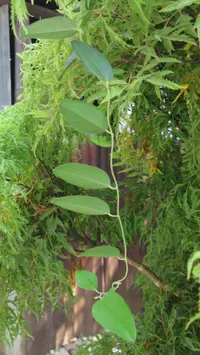
Epipremnum aureum 'Marble Queen' is a variegated form of the popular golden pothos, grown mainly as an easy indoor vining plant. It produces heart-shaped leaves marbled with creamy white and green, and can trail from hanging baskets or climb supports.

In the wild, pothos species occur in tropical forests of the South Pacific and Southeast Asia, where they grow as climbing evergreens. The plant tolerates a wide range of indoor conditions, which makes it suitable for beginners.

It generally prefers bright, indirect light, moderate moisture, and a well-drained potting mix. Understanding how to care for Golden Pothos helps maintain healthy foliage and strong variegation over time.

Main Plant Requirements

Care Difficulty

Easy Care

Light Preference

Bright Indirect Light

Water Requirements

Moderate Water

Temperature Preference

Tropical / Frost Sensitive

Hardiness Zone

11–12

Soil Texture

Loamy, Peaty, Organic-rich

Soil pH

Acidic (5.5–6.5), Slightly acidic (6.5–7.0)

Soil Drainage

Moist but well-drained

Fertilization

Light (every 4–6 weeks)

Get Personalized Care Plan

Scan your plant to receive care tips personalized for your specific plant

Available on iOS and Android

How to Care for the Golden Pothos

Epipremnum aureum 'Marble Queen' grows best in bright, indirect light that mimics dappled forest shade.

  • Provide 6–8 hours of bright, filtered light per day, such as near an east- or north-facing window or under sheer curtains indoors.
  • Tolerates partial shade and lower light, but growth slows and variegation may fade, especially compared with Golden Pothos with greener leaves.
  • Protect from strong midday and afternoon sun, which can cause yellow or brown leaf scorch; in winter, move closer to windows to compensate for weaker daylight.

Epipremnum aureum 'Marble Queen' prefers evenly moist but not saturated soil with brief drying between waterings.

  • Water when the top 2–4 cm of soil feels dry, using enough water so excess drains from the bottom, then empty any saucer to avoid root suffocation.
  • In spring and summer, expect more frequent watering as growth and evaporation increase; reduce frequency in fall and winter as growth slows.
  • Watch leaves for feedback: yellowing, soft leaves and a musty smell suggest overwatering, while limp, curling, or folding leaves and very dry soil indicate underwatering.

This plant grows best in stable, warm conditions without sudden temperature swings.

  • Aim for 65–80°F (18–27°C) for active growth, which suits most homes and mild outdoor shade in warm regions.
  • Avoid temperatures below 55°F (13°C); brief dips may stunt growth, and exposure near 40°F (4°C) or frost can cause blackened, collapsing foliage.
  • In hot spells above 85°F (29°C), keep out of direct sun, increase airflow, and monitor soil moisture, as heat and strong light together raise stress risk.

Marble Queen pothos prefers moderate to slightly elevated indoor humidity and usually adapts well to most homes.

  • Aim for 40–60% humidity to reduce leaf browning and keep variegation looking crisp.
  • It tolerates drier air but may show brown tips, curled edges, or slower growth when humidity is consistently below 30%.
  • Increase humidity with a nearby humidifier, grouping plants together, or placing the pot on a pebble tray that keeps the Golden Pothos above, not in, the water.

Epipremnum aureum 'Marble Queen' grows best in a loose, airy, organic-rich potting mix that drains rapidly yet retains some moisture.

  • Use a peat- or coco-coir-based indoor potting mix amended with perlite and fine orchid bark for extra aeration.
  • Aim for a slightly acidic to neutral pH around 6.0–7.0, which supports nutrient availability and stable growth.
  • Ensure the mix feels light and crumbly; water should drain through in seconds rather than pooling on the surface.
  • Avoid heavy garden soil, pure compost, or compacted mixes that stay wet for many hours and suffocate roots.

This vining pothos is very suitable for container growing in homes and offices.

  • Choose a container just 2–5 cm wider than the root ball so the mix dries evenly between waterings, limiting root rot risk.
  • Select a heavier or wider pot if training vines upward on a moss pole to prevent tipping as the plant gains mass.
  • Use a container material that matches your watering style, such as porous terracotta for wetter homes and plastic for drier rooms.

This cultivar benefits from light, consistent feeding during the active growing season.

  • Use a balanced liquid fertilizer (such as 10-10-10 or 20-20-20) diluted to 1/4–1/2 strength every 4–6 weeks in spring and summer.
  • Alternatively, apply a slow-release balanced fertilizer or a thin layer of well-aged compost on the soil surface at the start of spring.
  • Feed very lightly or not at all in fall and winter, as Golden Pothos growth slows and excess nutrients can lead to salt buildup.
  • Flush the pot with plain water every 2–3 months to reduce fertilizer salts and support healthy root function.

Thoughtful pruning keeps Epipremnum aureum 'Marble Queen' compact, full, and healthy indoors.

  • Plan main pruning in spring or early summer when light levels and growth are strongest.
  • Remove yellowing, dead, or damaged leaves and stems with clean, sharp scissors or pruning shears to limit disease entry.
  • Shorten overly long or sparse vines just above a node to encourage branching and a bushier form.
  • Thin crowded stems by cutting some back to the base, improving light penetration and air flow through the foliage.

Container-grown plants tend to appreciate periodic repotting to maintain root health and steady growth.

  • Look for roots circling the pot, growing from drainage holes, or noticeably slower growth as signs that Epipremnum aureum 'Marble Queen' needs more space.
  • Plan to repot every 1–2 years in spring, using a slightly larger pot with fresh, well-draining houseplant mix.
  • Water the plant lightly the day before, then gently loosen and trim only circling or rotten roots to reduce stress.
  • After repotting, water thoroughly once, then keep in bright, indirect light and avoid heavy feeding for 2–3 weeks while roots re-establish.

New plants are most commonly produced from stem cuttings taken from healthy vines.

  • Take 8–12 cm stem cuttings in spring or summer, each with 2–3 leaves and at least one node where roots will form.
  • Remove the lowest leaf and place the node in clean water or a moist, well-draining propagation mix.
  • Provide bright, indirect light, 70–80°F temperatures, and consistently lightly moist conditions to encourage rooting.
  • Once roots reach about 3–5 cm, pot the new Epipremnum aureum 'Marble Queen' into a small container with standard indoor mix.

This tropical vine is frost-tender and must be kept above freezing in temperate climates.

  • Keep indoor temperatures around 60–80°F in winter and avoid placing the plant near cold drafts or frequently opened exterior doors.
  • If grown outdoors in warm months, move containers indoors before night temperatures drop below 55°F.
  • Water less often in winter, allowing the top 2–3 cm of soil to dry out before watering again, but do not let the root ball fully dry.
  • Use a tray with pebbles and water or a room humidifier to maintain moderate humidity, which helps foliage stay healthy in heated homes.

Care Tips

Rotate For Even Variegation

Turn the pot 90° every 2–3 weeks so all sides receive similar light, which helps maintain balanced variegation instead of long, pale sections on one side of the plant.

Use Targeted Support

Install small hooks, a mesh panel, or a slim moss pole and loosely tie vines with soft plant ties to encourage upright growth and larger, more robust leaves along the supported stems.

Selective Vine Renewal

Each spring, cut 1–2 of the oldest, bare-vined stems back to just above a healthy node, which stimulates new, fuller growth without drastically reducing the plant’s overall size.

Quarantine And Inspect New Plants

Keep any new plant in a separate room for 10–14 days and check leaf undersides and nodes with a hand lens so pests are not introduced to an established collection when caring for Golden Pothos and related plants.

Node-Level Propagation

When propagating, cut single-node sections with one leaf and one visible aerial root, then place the node just below the water or soil surface so new roots emerge quickly and the plant re-establishes faster.

Common Pests and Diseases

Spider mites

This pest causes fine webbing, tiny yellow speckles on leaves, and a dull, dusty appearance, especially in warm, dry rooms.

Solution

Rinse foliage thoroughly under a gentle shower or sink spray, then wipe leaves with a soft cloth. Increase humidity, improve airflow, and if needed apply insecticidal soap or a neem oil solution to all leaf surfaces, repeating weekly until no new damage appears.

Mealybugs

These insects appear as white, cottony clusters in leaf joints and along stems, sucking sap and causing leaf yellowing and sticky residue.

Solution

Isolate the plant, then wipe off visible insects with cotton swabs dipped in isopropyl alcohol. Rinse the plant, inspect weekly, and treat remaining pockets with insecticidal soap or neem oil, paying close attention to stem nodes and the undersides of leaves as part of Epipremnum aureum 'Marble Queen' plant care.

Scale insects

This pest appears as small, dome-shaped brown or tan bumps on stems and leaf veins, leading to sticky honeydew and sooty black mold on leaves.

Solution

Gently scrape or peel off individual scales with a fingernail or cotton swab, then wash the plant with lukewarm water and mild insecticidal soap. Repeat inspections and spot treatments every 7–10 days until no new scales or honeydew are visible.

Bacterial leaf spot

This disease causes water-soaked, translucent spots that turn dark brown and may develop yellow halos, often starting on older leaves or areas that stay wet.

Solution

Remove and discard affected leaves, sterilizing scissors between cuts with alcohol. Avoid overhead watering, keep leaves dry, improve airflow around the plant, and reduce crowding with other plants to limit spread.

Fungal leaf blight

Symptoms include irregular brown lesions that may merge into large dead patches, often beginning on leaves exposed to prolonged moisture or poor air circulation.

Solution

Cut off and discard damaged leaves, then allow the soil surface and foliage to dry between waterings. Improve light and airflow, avoid water sitting on leaves, and consider a targeted houseplant-safe fungicide if new spots continue to appear despite these changes.

Interesting Facts

High-variegation mutation

This cultivar arose as a highly variegated mutation of Epipremnum aureum, with its cream and green marbling caused by sections of leaf tissue lacking chlorophyll, the pigment plants use to capture light.

Slower growth trade-off

Because much of its leaf surface is cream rather than green, it typically grows noticeably slower than solid green pothos types, especially in lower light where reduced chlorophyll limits photosynthesis.

Variegation easily lost

If kept in too little light over time, its new leaves often emerge much greener and less patterned, showing how the plant can shift toward producing more chlorophyll-rich tissue to improve energy capture.

Botan icon

Did you know?

In its juvenile indoor form this cultivar rarely shows them, but genetically it is capable of developing large, thick, fenestrated leaves and climbing high when given very strong light and a suitable support in tropical outdoor conditions, similar to wild-type Epipremnum aureum.

FAQs about Golden Pothos

Brown, crispy edges usually come from low humidity, underwatering, or salt buildup from fertilizer. Check soil moisture, flush the pot occasionally with plain water, and keep the plant away from hot air vents or strong drafts.

Grow Healthy Plants with Botan Care

Keep your plants happy and healthy with plant identification, disease detection, and easy care guidance.

Botan plant care app — identify plants on mobile

Explore More Plants