Sturdy trellis support
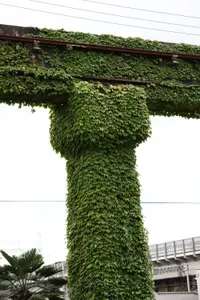
Install a strong trellis or wire system before planting so the vine can be tied in loosely with soft ties as it grows, preventing stem damage and helping you direct growth along a stable framework.

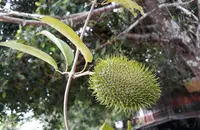
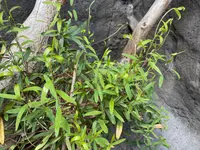
Bignonia binata is a woody climbing vine in the trumpet vine family, valued for its vigorous growth and ornamental foliage. It typically produces slender, twining stems with divided leaves that help it cling to supports, fences, or trees.
This species is native to parts of tropical America, where it grows in warm, humid environments. In cultivation it suits mild outdoor climates or greenhouse conditions, and its fast growth can require regular training and pruning.
Understanding how to care for Bignonia binata starts with providing bright light, a supportive structure to climb, and evenly moist, well-drained soil. With suitable conditions, it can become a dense, attractive cover relatively quickly.

Care Difficulty
Moderate Care

Light Preference
Full Sun

Water Requirements
Moderate Water

Temperature Preference
Warm Climate

Hardiness Zone
9–11

Soil Texture
Sandy, Loamy, Organic-rich

Soil pH
Acidic (5.5–6.5), Slightly acidic (6.5–7.0)

Soil Drainage
Well-drained

Fertilization
Minimal (feed rarely)
Scan your plant to receive care tips personalized for your specific plant
Available on iOS and Android
This vigorous climber needs ample direct sun to flower well outdoors.
This plant prefers evenly moist, well-drained soil rather than frequent shallow watering.
This woody vine prefers warm, frost-free conditions to maintain vigorous growth.
This vigorous climber prefers moderate outdoor humidity but tolerates typical US garden air.
This species prefers light, well-drained, slightly fertile soil that does not stay waterlogged.
This vine can be grown in containers if the pot is large, stable, and drains efficiently.
This vigorous climber responds well to moderate feeding during the main growing season.
Thoughtful pruning keeps Bignonia binata manageable, healthy, and flowering well.
This species is most often grown in the ground, so focus on careful transplanting of young plants.
Gardeners usually propagate this climber from cuttings or seeds rather than by division.
Established plants in mild climates tolerate light frost but young Bignonia binata benefits from simple winter protection.

Plant Health Check
Not sure what's wrong with your plant? Check your plant's health inside the app.
This species is a woody climbing vine (liana) native to Neotropical forests, where it uses surrounding trees as support to reach higher light levels in the canopy.
The specific epithet binata refers to its characteristically divided, often two-lobed leaflets, which help distinguish it from related Bignonia species.
Its tubular, usually brightly colored flowers are adapted for pollination by hummingbirds, which are attracted by nectar and transfer pollen as they feed.
This vine can spread widely where conditions are warm and frost-free, using both shoots and self-seeding. Regular pruning, removing unwanted shoots, and preventing seed set help keep growth within bounds and protect nearby plantings.
Keep your plants happy and healthy with plant identification, disease detection, and easy care guidance.