grouse whortleberry Care (Vaccinium scoparium)

Also known as: Grouseberry, little-leaved huckleberry
grouse whortleberry

About grouse whortleberry

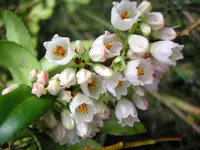
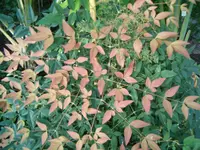
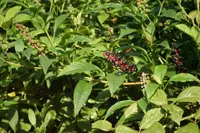
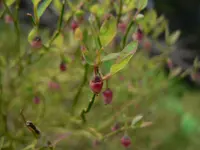
Grouse whortleberry (Vaccinium scoparium) is a low, mat-forming shrub in the heath family, best known from high-elevation forests and subalpine meadows in western North America. It forms dense, fine-textured thickets with tiny leaves and small red berries that resemble other wild huckleberries.

This species thrives in cool, moist, acidic soils and often grows under conifers or among rocky slopes. It is naturally slow-growing and can be demanding in cultivation, mainly because it dislikes heat, drought, and compacted or alkaline soils.

Gardeners who want to care for grouse whortleberry need to match its cool, woodland conditions as closely as possible for long-term success.

Main Plant Requirements

Care Difficulty

Hard Care

Light Preference

Partial Sun

Water Requirements

Regular Water

Temperature Preference

Cold Hardy

Hardiness Zone

4–8

Soil Texture

Sandy, Loamy, Rocky

Soil pH

Strongly acidic (4.5–5.5)

Soil Drainage

Well-drained

Fertilization

Minimal (feed rarely)

Get Personalized Care Plan

Scan your plant to receive care tips personalized for your specific plant

Available on iOS and Android

How to Care for the grouse whortleberry

This low, mountain-dwelling shrub prefers bright, cool conditions that mimic open coniferous forest edges.

  • Provide 4–6 hours of direct morning sun with light shade or filtered light in the hot afternoon, especially at lower elevations or warmer climates.
  • Plant grouse whortleberry where it receives dappled light under open trees; it tolerates partial shade but produces fewer flowers and berries with less than 3–4 hours of sun.
  • Avoid prolonged harsh afternoon sun in exposed sites, which can scorch foliage and dry shallow roots; in winter, full sun is acceptable where soils stay moist.

This species prefers consistently moist, cool, well-drained soil and is sensitive to both drought and standing water.

  • Aim for soil that stays evenly moist; in the growing season, allow only the top 2–3 cm to dry before the next rainfall or supplemental watering.
  • Use sharply drained, acidic, organic soil so excess water moves through quickly; soggy or compacted ground leads to root rot and dull, yellowing foliage.
  • Watch for drought stress such as drooping, crisp leaf edges, and poor berry set, while overwatering shows as limp growth, blackened stem bases, and a sour smell in the soil.

This cold-adapted shrub thrives in cool climates with cold winters and mild summers.

  • Active growth is best at about 50–70°F (10–21°C), typical of higher-elevation or northern sites with cool summers and moderate daytime warmth.
  • Plants tolerate winter lows to about -20°F (-29°C) once established, with snow cover offering extra protection for stems and shallow roots.
  • Extended heat above 80–85°F (27–29°C) can stress Vaccinium scoparium; provide afternoon shade and mulch to keep roots cool, especially during dry, hot spells.

This species is adapted to cool, moderately humid mountain air but usually tolerates typical outdoor humidity levels.

  • Aim for 40–60% humidity; prolonged exposure below 30% combined with heat can stress leaves and shoots.
  • Dry air stress shows as marginal browning, finer twig dieback, and slower new growth.
  • In hot, dry periods, increase humidity by mulching around the root zone and using nearby groundcover rather than misting foliage.

This shrub needs acidic, well-draining, organic-rich soil that mimics its native montane forest floor.

  • Use a loose mix such as 50–70% peat or fine pine bark with the rest coarse sand or perlite for drainage and aeration.
  • Maintain acidic pH around 4.5–5.5, similar to other Vaccinium scoparium relatives and heath-type plants.
  • Avoid heavy clay, compacted ground, or lime-amended soils, which quickly cause chlorosis and weak, stunted growth.
  • In heavier native soils, build a raised berm or bed and thoroughly blend in acidic organic matter to keep roots oxygenated.

This low, fine-rooted shrub can be grown in containers, but it stays healthiest in cool, deep, well-aerated pots outdoors.

  • Choose a container deeper than it is wide to keep the shallow, fibrous roots insulated from rapid temperature swings.
  • Use a tall, stable pot or group containers together to prevent wind tipping, since stems can sprawl and shift weight.
  • Select thick-walled plastic or glazed ceramic to slow moisture loss, as unglazed terra cotta can dry the mix too quickly.

This low-growing Vaccinium scoparium usually needs little or no fertilizer in native, acidic, low-nutrient soils.

  • If growth is weak in poor soil, apply a light top-dressing of fine, weed-free compost in early spring.
  • Use an acid-forming, slow-release fertilizer (for blueberries or rhododendrons) at 1/2 strength if leaves yellow and soil is not already rich.
  • Feed only once per growing season; avoid summer and late-fall applications to prevent tender, frost-sensitive growth.
  • Skip synthetic fertilizers entirely where grouse whortleberry grows vigorously and foliage looks healthy.

Vaccinium scoparium is a small, slow-growing shrub that needs minimal pruning in naturalistic plantings.

  • Perform any pruning in late winter or very early spring before new growth begins.
  • Remove dead, diseased, or storm-damaged stems with clean, sharp hand pruners to maintain plant health.
  • Thin a few crowded inner stems to slightly open the plant, improving air movement and light penetration.
  • Avoid heavy cutting; light, selective pruning preserves the plant’s natural low, mounded form and berry production.

This species is typically grown in the ground, so focus on careful transplanting rather than frequent repotting.

  • Transplant in early spring or early fall, when temperatures are mild and soil moisture is reliable.
  • Choose an acidic, well-drained site; avoid compacted or alkaline soils that stress Vaccinium scoparium roots.
  • Move plants only when necessary; look for slow growth or crowding as signs a new location is needed.
  • Dig a wide, shallow hole, keep the root ball intact, water thoroughly, and mulch lightly to reduce transplant shock.

Vaccinium scoparium can be propagated, but it roots and establishes slowly compared with many garden shrubs.

  • Use semi-ripe stem cuttings in late summer, placing them in a moist, acidic, well-drained medium under high humidity.
  • Try simple layering in spring by pegging low, flexible stems to the soil until roots form, then severing from the parent.
  • Sow fresh seed in fall in acidic soil outdoors; allow natural cold stratification over winter for better germination.
  • Keep all propagules evenly moist, shaded from harsh sun, and protected from drying wind during early establishment.

This cold-hardy shrub usually needs little special winter care in its normal outdoor range.

  • Tolerates freezing and snow once established, so no covering of stems is typically required.
  • Apply a 3–5 cm layer of acidic mulch around the root zone in late fall, keeping it just clear of the stems.
  • For container-grown plants, move pots into a sheltered, unheated but frost-free or minimally freezing area to prevent root damage.

Care Tips

Mulch For Roots

Apply a 3–5 cm layer of pine needles or fine conifer bark around the base each year to keep the shallow roots cool, conserve moisture, and maintain the acidic surface conditions this shrub prefers.

Companion Groundcover

Plant among low conifers or other acid-loving shrubs to provide light dappled shade, wind protection, and a stable, cool soil microclimate that improves long-term vigor.

Snow And Frost Protection

In exposed sites, use low, breathable barriers or branch trimmings to catch and hold snow over the plants, which insulates stems from winter desiccation and extreme temperature swings.

Minimal Disturbance

Avoid cultivating, raking deeply, or stepping on the root zone because the fine, fibrous roots sit close to the soil surface and are easily damaged, which can reduce flowering and berry set.

Light Renewal Thinning

Every 3–4 years, selectively remove a small number of the oldest, most shaded stems at ground level to open the plant, improve air movement, and support consistent fruiting without heavy pruning, which is key when growing grouse whortleberry for berries.

Common Pests and Diseases

Blueberry maggot

This pest attacks the berries, where larvae tunnel inside the fruit, causing it to soften, collapse, and drop early. Symptoms include small puncture marks on the skin and wormy, discolored interiors.

Solution

Remove and destroy infested and fallen berries to break the life cycle, and avoid leaving overripe fruit on the plant. In home landscapes, use yellow sticky traps to monitor adult flies and, if pressure is high, apply a targeted fruit-fly bait or spinosad-based spray according to local extension guidance and only during the adult flight period.

Leafrollers

These insects roll and web young leaves together and feed inside the shelter, leading to distorted foliage and reduced flowering and fruit set. Symptoms include tied or rolled leaves with frass (insect droppings) and small green or brown caterpillars inside.

Solution

Prune out and destroy rolled or webbed shoot tips as soon as they are noticed to remove caterpillars before they spread. For heavier infestations, use a Bacillus thuringiensis (Bt) caterpillar spray, applied thoroughly to new growth when larvae are small, and avoid broad-spectrum insecticides that also kill natural predators.

Phytophthora root rot

This disease is favored by poorly drained, wet soils and causes root decay, stunting, and gradual plant decline. Symptoms include poor vigor, yellowing foliage, small leaves, and eventual dieback, often starting on one side of the plant.

Solution

Improve drainage by planting on raised mounds or slopes and avoid overwatering or waterlogged conditions, especially in heavy soils. Remove and destroy severely affected plants, and, in high-risk sites, select better-drained locations instead of relying on fungicides, which are usually not practical for wild or low-input plantings.

Valdensinia leaf spot

This disease, caused by the fungus Valdensinia heterodoxa, produces circular brown spots on leaves that may coalesce, leading to premature defoliation. Symptoms include rapidly spreading leaf spots and heavy leaf drop under cool, wet conditions.

Solution

Collect and destroy fallen leaves to reduce the amount of fungal spores that overwinter on the ground. Maintain good air movement around plants, avoid overhead watering, and, in managed plantings with severe outbreaks, apply an appropriate foliar fungicide labeled for blueberry-type crops at the first sign of spotting, following local extension recommendations.

Mummy berry

This disease affects both shoots and fruit, causing early shoot blight and later turning berries into shriveled, gray, mummified structures. Symptoms include wilted young shoots in spring and light, dried berries that fall to the ground and act as a source of new infections.

Solution

Rake up and remove or bury mummified berries to prevent spores from developing the following season. In cultivated settings, use mulch around plants to cover overwintering mummies, prune out blighted shoots, and in high-pressure areas consider preventive fungicide sprays at budbreak and during early bloom as part of integrated Vaccinium scoparium care instructions.

Interesting Facts

High-elevation specialist

This species naturally occurs in cold, subalpine to alpine coniferous forests of western North America, often above 1,200–1,500 m where many other shrubs cannot tolerate the short growing season.

Berries for grouse and bears

The small red berries are an important seasonal food source for grouse, chipmunks, and bears, which disperse the seeds through their droppings and help maintain scattered populations.

Fire-resilient root system

After low- to moderate-intensity wildfire, the plant often regenerates from surviving underground stems and root crowns, contributing to understory recovery in burned conifer forests.

Botan icon

Did you know?

The species often forms naturally occurring hybrids with closely related Vaccinium species, making it a useful model for studying gene flow and adaptation among high-elevation huckleberries in western North America.

FAQs about grouse whortleberry

This species spreads slowly by rhizomes and forms low, fine-textured carpets over time. It is not considered aggressive. It usually coexists well with other small shrubs and ground covers in cool, acidic planting schemes.

Grow Healthy Plants with Botan Care

Keep your plants happy and healthy with plant identification, disease detection, and easy care guidance.

Botan plant care app — identify plants on mobile

Explore More Plants