Mountain Snowberry Care (Gaultheria depressa)

Mountain Snowberry

About Mountain Snowberry

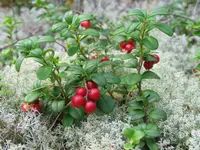
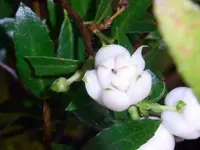
Mountain snowberry, Gaultheria depressa, is a low, mat-forming evergreen shrub known for its small glossy leaves and bright red or white berries. It stays very compact, often hugging the ground and spreading slowly rather than growing tall.

This species is native to cool, alpine and subalpine areas of Australia, New Zealand, and nearby islands, where it grows among rocks and in open woodland. It prefers cool conditions, moist but free-draining acidic soil, and protection from strong heat, which can make it a little more demanding in warmer climates.

Gardeners who learn how to care for Mountain Snowberry usually find it reliable in rock gardens, containers, or as a groundcover in mild, cool-summer regions.

Main Plant Requirements

Care Difficulty

Moderate Care

Light Preference

Partial Shade

Water Requirements

Keep Soil Moist

Temperature Preference

Cold Hardy

Hardiness Zone

7–9

Soil Texture

Loamy, Peaty, Organic-rich

Soil pH

Strongly acidic (4.5–5.5), Acidic (5.5–6.5)

Soil Drainage

Moist but well-drained

Fertilization

Minimal (feed rarely)

Get Personalized Care Plan

Scan your plant to receive care tips personalized for your specific plant

Available on iOS and Android

How to Care for the Mountain Snowberry

This low, mat-forming shrub prefers cool, bright conditions with protection from harsh midday sun.

  • Provide 3–5 hours of direct morning sun with light shade or dappled light from late morning to afternoon, especially in warmer climates for Mountain Snowberry.
  • In hot summers, use partial shade or high, filtered shade to prevent leaf scorch, bleaching, and dry, crispy foliage edges.
  • In cooler or coastal areas, it tolerates longer sun exposure; in dense shade, expect sparse growth, fewer berries, and leggy, stretched stems.

This plant prefers consistently moist, cool soil but is sensitive to both drying out and waterlogging.

  • Water when the top 2–3 cm of soil feels slightly dry, aiming for evenly moist soil rather than wet or saturated conditions.
  • Ensure sharp drainage with organic-rich, acidic soil; pooling water or a sour smell indicates overwatering and risk of root rot in Gaultheria depressa.
  • During hot, dry periods, increase checks and watering frequency; in cool, wet seasons, reduce watering and rely more on rainfall while monitoring for wilting or dull, drooping leaves.

This alpine shrub is cold tolerant but grows best in cool, moderate temperatures.

  • Aim for 50–65°F (10–18°C) for steady growth, with good airflow to keep foliage cool and reduce disease risk.
  • The plant tolerates drops near 10°F (-12°C) once established, but young plants appreciate protection from sudden hard frosts and drying winter winds.
  • In heat above 80°F (27°C), provide shade, mulch, and consistent moisture; prolonged exposure above 90°F (32°C) can stress plants and reduce berry and foliage quality.

This species prefers cool, moderately moist air and usually handles typical outdoor humidity in temperate climates.

  • Aim for 50–70% humidity, especially in warmer weather, to reduce leaf-edge browning and shriveling berries on Mountain Snowberry.
  • It tolerates brief drier air if the root zone stays evenly moist, but prolonged indoor air below 40% can stress foliage.
  • Crisping leaf tips and dull, shriveled berries indicate low humidity; group plants or use a nearby water tray to gently raise levels.

This plant needs consistently moist, sharply drained, acidic soil rich in organic matter.

  • Use a loose, humus-rich mix such as 50% ericaceous potting mix, 25% fine bark, and 25% perlite or coarse sand for Gaultheria depressa.
  • Target an acidic pH of 4.5–5.5; avoid lime or alkaline amendments that raise pH and block nutrient uptake.
  • Ensure drainage is fast enough that excess water runs through in seconds, but organic content holds moisture between waterings.
  • Avoid heavy clay, compacted ground, or mixes high in peat alone, which can either waterlog roots or become hydrophobic when dry.

This low, mat-forming shrub is well suited to container growing outdoors.

  • Choose a wide, shallow container to match its creeping root system and allow lateral spread rather than depth-focused growth.
  • Use a heavy ceramic or clay pot if exposed to wind so the low but spreading plant mass does not shift or lift the container.
  • Raise the pot on feet or blocks so drainage holes stay clear and stolons do not seal against the ground, which can trap water.

This low-growing shrub has modest nutrient needs but benefits from light feeding in poor or very sandy soils when caring for Mountain Snowberry.

  • Use a balanced, slow-release fertilizer (for example 10-10-10) or a thin layer of compost in early spring.
  • Feed once at the start of the growing season; a second light dose in midsummer is enough in very lean soils.
  • Apply at 1/2 strength of the label rate to avoid salt buildup in the shallow root system.
  • Stop feeding in late summer so new growth can harden before winter and the plant can enter dormancy naturally.

Gaultheria depressa needs only light pruning to keep its mat-forming habit neat and healthy.

  • Best time is late winter or very early spring before new growth starts.
  • Remove dead, diseased, or winter-damaged stems with clean, sharp hand pruners.
  • Thin out crowded or overlapping shoots to improve light and air within the mat.
  • Light tip-trimming only, if needed, will control spread without reducing flowering too much.

This species is more often planted in rock gardens or groundcover beds than kept in long-term containers.

  • Transplant or shift to a larger pot in early spring when new growth starts for least stress.
  • Look for roots circling the pot, water running straight through, or stalled growth as signs it has outgrown its container.
  • Repot or transplant every 2–3 years, refreshing with acidic, well-drained mix rich in organic matter.
  • Handle roots gently, keep the root ball just at soil level, water thoroughly, then shade and shelter for 3–5 days while it re-establishes.

This plant is commonly propagated vegetatively to maintain desirable forms and berry display.

  • Take semi-ripe stem cuttings in late summer, using non-flowering shoots 5–7 cm long.
  • Insert cuttings in a coarse, acidic mix, keep evenly moist, and maintain high humidity with bright, indirect light.
  • Division of small clumps or rooted runners in early spring is another practical method.
  • Seeds can be sown in autumn in cool conditions, but germination is slow and variable, so labeling and patience are important.

This low alpine shrub is quite cold hardy but benefits from some root-zone care in colder regions.

  • Tolerates moderate frost once established, especially in well-drained soil that prevents winter waterlogging.
  • Apply a 3–5 cm mulch of pine needles or fine bark in late autumn to insulate shallow roots.
  • In very cold or exposed sites, use windbreaks or snow fencing to limit drying winter winds.
  • Container plants in zones with severe freezes should be moved to a cold, bright, frost-free space until spring.

Care Tips

Mulch For Cool Roots

Apply a 3–5 cm layer of fine bark or pine needles around the root zone to keep the shallow roots cool, suppress weeds, and maintain the acidic conditions this species prefers when growing Mountain Snowberry.

Protect Delicate Berries

Place low mesh cloches or light netting over fruiting plants in exposed sites to reduce bird damage and prevent berries from being dislodged by heavy rain or hail.

Encourage Ground Cover

Gently pin down longer, flexible stems with small U-shaped wire pins so they root where they touch the soil, helping the plant form a dense, weed-suppressing mat over time.

Container Winter Management

In cold climates, group containers together and wrap pots with bubble wrap or burlap to protect the fine root system from freeze–thaw cycles that can damage the crown.

Targeted Pest Monitoring

Inspect the undersides of leaves and along stems every 2–3 weeks for scale insects or aphids, and treat early with a horticultural oil spray labeled for ericaceous shrubs if pests are detected.

Common Pests and Diseases

Leaf spot

This disease causes small to medium brown or purple spots on leaves that may merge, leading to patchy yellowing and premature leaf drop, especially in cool, damp conditions.

Solution

Remove and dispose of affected leaves, avoid overhead watering, and keep foliage as dry as possible; improve air circulation around plants and apply a suitable copper- or chlorothalonil-based fungicide if spotting continues in wet weather.

Phytophthora collar rot

This disease affects the root collar and lower stems, causing dark, water-soaked lesions, wilting, and eventual plant collapse in poorly drained or waterlogged soils.

Solution

Remove and destroy severely affected plants, improve drainage, and avoid overwatering; for valuable plants, use a phosphonate (phosphite) drench according to label directions and plant into raised, free-draining beds or containers to reduce future risk.

Scale insects

These insects appear as small, dome-shaped or flat brown bumps on stems and leaf midribs, often accompanied by sticky honeydew and sooty mold growth.

Solution

Gently scrape or wipe off scales with a cotton pad dipped in alcohol or insecticidal soap, repeat every 7–10 days for several cycles, and on outdoor shrubs use horticultural oil during the dormant or cool season to smother remaining stages.

Red spider mites

These pests thrive in hot, dry conditions and cause fine stippling, bronzing, and eventual leaf drop, sometimes with delicate webbing on the undersides of leaves.

Solution

Increase humidity around plants and hose down foliage thoroughly, focusing on leaf undersides; if populations persist, apply insecticidal soap or a horticultural oil labeled for mites, repeating applications as needed while avoiding treatment in full sun to prevent leaf burn.

Interesting Facts

Tasmanian alpine specialist

This species is naturally restricted to high-altitude, often windswept sites in Tasmania and nearby subantarctic islands, where it grows as a low mat among rocks and alpine heath rather than as an upright shrub.

Ground-hugging growth form

Its stems creep along the soil surface and root at the nodes, forming dense cushions that help it resist strong winds, cold temperatures, and soil movement in exposed mountain habitats.

Berry color shift

The plant produces fleshy berries that often start green or pale and mature to white or pinkish tones, a visual change that helps signal ripeness to local frugivorous animals that disperse the seeds.

Botan icon

Did you know?

This species is one of the few woody plants that naturally reach some of the cold, oceanic subantarctic islands of the Southern Hemisphere, where it endures a combination of low temperatures, persistent wind, and salt-laden air that excludes most other shrubs.

FAQs about Mountain Snowberry

This species performs best outdoors in cool, temperate climates where it receives bright light, good air movement, and natural temperature swings. Indoor conditions are usually too warm, dry, and stagnant for long-term health and reliable fruiting.

Grow Healthy Plants with Botan Care

Keep your plants happy and healthy with plant identification, disease detection, and easy care guidance.

Botan plant care app — identify plants on mobile

Explore More Plants