small bog cranberry Care (Vaccinium microcarpum)

Also known as: Small Cranberry
small bog cranberry

About small bog cranberry

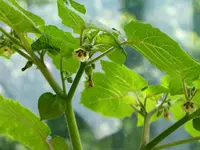
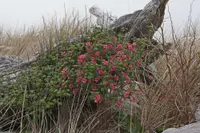
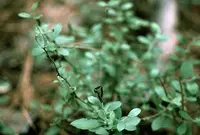
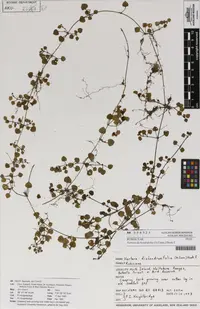
Small bog cranberry, Vaccinium microcarpum, is a low, creeping shrub found in cool, nutrient-poor bogs and peatlands. It forms dense mats close to the ground with fine stems and tiny evergreen leaves.

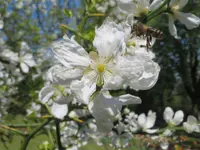
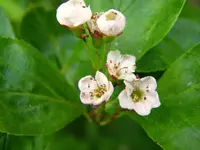
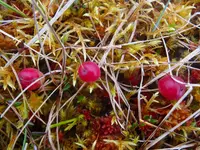
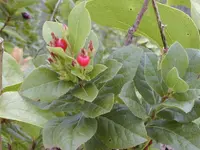
The plant produces small pinkish flowers followed by very small red berries, giving it a delicate look compared to commercial cranberry species. It naturally occurs in northern regions of Europe, Asia, and North America, always in wet, acidic habitats.

This species prefers full sun to light shade, consistently moist conditions, and acidic, organic-rich soil. These specialized needs make care for small bog cranberry more challenging outside a suitable bog-like environment.

Main Plant Requirements

Care Difficulty

Hard Care

Light Preference

Partial Sun

Water Requirements

Keep Soil Moist

Temperature Preference

Cold Hardy

Hardiness Zone

1–5

Soil Texture

Peaty, Sandy, Organic-rich

Soil pH

Strongly acidic (4.5–5.5)

Soil Drainage

Waterlogged tolerant

Fertilization

Minimal (feed rarely)

Get Personalized Care Plan

Scan your plant to receive care tips personalized for your specific plant

Available on iOS and Android

How to Care for the small bog cranberry

This low-growing bog shrub prefers bright, cool light that mimics open northern wetlands.

  • Provide 4–6 hours of sun daily, with morning sun and light afternoon shade ideal to prevent leaf scorch, especially in warmer regions.
  • Tolerates partial shade (2–4 hours sun) but fruiting and compact growth decline if light drops below this range for most of the season.
  • In hot summers, protect small bog cranberry with dappled or filtered light from midday onward, particularly during late spring and midsummer peaks.

This species thrives in consistently moist, acidic, bog-like soil without long dry periods.

  • Aim for soil that feels damp at 2–5 cm depth; do not allow the root zone to dry out completely between waterings.
  • Use low-lying or boggy ground with high organic matter so excess water drains slowly but does not form stagnant pools that smell sour or slimy.
  • Reduce added water slightly in cool fall and winter, but never let Vaccinium microcarpum wilt, develop crisp leaf edges, or show shrinking berries.

This cold-hardy bog plant prefers cool conditions and tolerates substantial winter frost.

  • Optimal growing temperatures are 50–68°F (10–20°C), which support steady shoot growth and flower bud development.
  • Mature plants tolerate winter lows near -40°F (-40°C) under consistent snow cover, but sudden freeze-thaw cycles can damage exposed stems and buds.
  • Heat above 80°F (27°C), especially with strong sun and low humidity, stresses plants; use mulch and light shade and avoid planting in heat-trapping sites.

This species prefers cool, moist air but mainly depends on consistently wet soil rather than high ambient humidity.

  • Aim for 50–70% humidity in outdoor or bog-style settings, avoiding hot, desiccating winds.
  • Dry indoor air can increase leaf scorch and tip browning, especially above heaters or in strong sun.
  • Increase local humidity with nearby water features, grouped bog plants, or shallow trays of water and pebbles around the container.

This plant requires consistently wet, acidic, organic-rich soil similar to a natural bog.

  • Use fine sandy peat or sphagnum peat mixed with 20–30% sand to create a loose but water-retentive medium.
  • Maintain pH around 3.5–5.0; avoid lime, wood ash, or alkaline tap water that will raise pH.
  • Allow no standing hardpan; a lined bog or tray must still let excess water overflow rather than stagnate anaerobically.
  • For Vaccinium microcarpum, avoid heavy clay, manure-rich mixes, and chunky bark that dry out unevenly or reduce acidity.

This species can be grown in containers when the pot is managed as a mini-bog.

  • Choose a wide, relatively shallow container to match the creeping root system and support surface-spreading stems.
  • Use a solid or lined pot without drainage holes placed inside a second outer container so water can sit just below root level.
  • Position the container where it will not overheat, since dark, thin-walled pots can raise root temperatures and dry the bog medium too quickly.

Vaccinium microcarpum benefits from light, acid-friendly feeding in nutrient-poor or container conditions.

  • Use an acid-forming fertilizer, such as a balanced 10-10-10 or rhododendron formula, diluted to 1/2 strength.
  • Apply every 4–6 weeks during spring and early summer, then stop by late summer to allow hardening off.
  • Incorporate a thin layer of acidic compost or peat-based mulch annually to support soil structure and micronutrients.
  • Avoid fertilizing in fall and winter, and never apply to dry soil to reduce root burn risk.

Pruning Vaccinium microcarpum is light and mainly focused on maintaining plant health and fruiting wood.

  • Carry out structural pruning in late winter or very early spring while the plant is still dormant.
  • Remove dead, diseased, or damaged stems first, then thin the most crowded or oldest stems at the base.
  • Use clean, sharp hand pruners to make angled cuts just above healthy buds or branch junctions.
  • Moderate thinning increases light and air movement, supporting compact growth and consistent berry production.

Transplanting small bog cranberry focuses on preserving its shallow, fibrous roots and acidic, moist soil conditions.

  • Plan transplanting for early spring or early fall, when temperatures are mild and the plant is not in peak growth.
  • Look for signs such as roots circling the pot, poor drainage, or slowed growth before moving container plants.
  • Replant at the same depth into acidic, peat-rich, well-drained but consistently moist soil, firming gently around roots.
  • Water thoroughly after transplanting, then keep soil evenly moist and shaded for 1–2 weeks to limit transplant shock.

Propagation of Vaccinium microcarpum is typically done by cuttings or layering, with seeds used less often for home growers.

  • Take semi-hardwood cuttings in mid to late summer, 7–10 cm long, from healthy, non-flowering shoots.
  • Dip cut bases in rooting hormone, then place in a moist, acidic, well-aerated medium under high humidity and bright shade.
  • For simple layering, pin a low, flexible stem into contact with moist peat-rich soil until roots form, then detach.
  • Sow seeds on the surface of acidic mix, keep evenly moist, and provide a cold stratification period for reliable germination.

This cold-hardy bog species tolerates freezing winters when roots stay moist and insulated.

  • In ground, apply 3–5 cm of acidic mulch around the root zone in late fall, keeping it off the stems.
  • Container plants are more vulnerable; move pots into a sheltered, unheated but frost-free or minimally freezing location.
  • Water occasionally on mild days so the peat-based substrate does not dry completely while the plant is dormant.

Care Tips

Bog Bed Construction

Create a shallow, lined bog bed using pond liner with several overflow holes 5–8 cm above the base so water can collect yet still drain slowly, mimicking the cool, saturated, acidic conditions of natural cranberry bogs.

Companion Sphagnum Layer

Top-dress the planting area with a 2–3 cm layer of live or hydrated dried sphagnum moss to help maintain acidity, keep the root zone evenly moist, and suppress competing weeds around the plants.

Root Zone Cooling

In hot climates, shade the soil surface with light-colored mulch, stones, or adjacent low plants to keep the root zone below 75°F, since sustained higher temperatures reduce flowering and fruit set.

Snow And Frost Use

Allow natural snow cover to remain over plants in winter as insulation, and where snow is unreliable, apply an airy mulch of pine needles 5–8 cm deep after the soil freezes to protect flower buds from freeze–thaw damage.

Targeted Bird Protection

Install low bird netting over a simple frame only when berries begin to color, then remove it promptly after harvest to prevent birds from stripping crops while still allowing pollinators free access during flowering when growing small bog cranberry.

Common Pests and Diseases

Cranberry fruitworm

This pest is a small moth whose larvae tunnel into developing berries, hollowing them out and causing premature fruit drop. Symptoms include reddened, soft, or shriveled berries with frass (insect droppings) inside.

Solution

Remove and discard infested berries as soon as damage is seen to break the life cycle, and clear plant debris after harvest to reduce overwintering sites. In outdoor plantings, use fine mesh netting during flowering and early fruit set to limit egg laying, and consider Bacillus thuringiensis (Bt) sprays targeted to the early larval stage, following label directions for small fruit crops.

Cranberry tipworm

This pest is a tiny fly whose larvae feed inside tender shoot tips, causing stunted, distorted, or blighted new growth. Symptoms include yellowing or bronzing of young leaves and failure of shoots to elongate normally.

Solution

Prune and destroy affected shoot tips as soon as distortion is noticed to remove larvae and reduce future populations. Maintain good plant vigor with adequate water and avoid excess nitrogen, and in outdoor beds encourage natural predators by reducing broad-spectrum insecticide use on surrounding vegetation.

Redheaded flea beetle

These insects chew small, irregular holes in leaves and sometimes feed on tender stems, which can slow growth and stress plants. Damage often appears as shot-hole feeding on lower leaves first, then progressing upward.

Solution

Handpick beetles when numbers are low and drop them into soapy water, and use yellow sticky traps around plantings to monitor and reduce adult populations. Maintain a moist, weed-free bog bed, and if needed apply a targeted neem or pyrethrin product labeled for edible small fruits, focusing sprays on the undersides of leaves where beetles rest.

Cranberry false blossom

This disease is caused by a phytoplasma (bacteria-like pathogen) that leads to upright, witches’-broom growth, failure of flower buds to open normally, and production of many small, non-fruiting shoots. Symptoms include distorted, sterile flowers and a general loss of yield over time.

Solution

Promptly remove and destroy severely affected plants, including roots, because there is no curative treatment once infected. Control leafhopper vectors by reducing nearby weedy hosts, support overall plant health with stable moisture and acidic soil, and when establishing new beds use certified disease-free stock as part of careful Vaccinium microcarpum care.

Cottonball (end rot)

This disease, caused by the fungus Monilinia oxycocci, affects young fruit, which may first show tan lesions and then develop white, cottony mycelium inside the berries while the outer skin stays relatively intact. Symptoms include light, spongy fruit that float and break apart easily when squeezed.

Solution

Collect and discard mummified or suspect berries during and after harvest to reduce fungal inoculum, and avoid overhead irrigation that keeps foliage and fruit wet for long periods. In outdoor beds, maintain good air movement by preventing overcrowding, and where the disease is persistent, use a registered fungicide for Monilinia on cranberries at early bloom, according to local label directions.

Interesting Facts

Arctic peatland specialist

This species is naturally restricted to cold, wet, acidic peatlands of northern Eurasia and parts of Alaska, often growing on floating or quaking bog mats rather than on firm ground.

Tiny, ultra-acid berries

The fruits are notably smaller and tarter than those of the related American cranberry, reflecting adaptation to very nutrient-poor, highly acidic bog habitats with low calcium availability.

Hybridization with relatives

In regions where it overlaps with other cranberry species, such as Vaccinium oxycoccos, it sometimes forms natural hybrids that can complicate field identification based on fruit and leaf characters alone.

Botan icon

Did you know?

Genetic and morphological studies indicate that this plant represents a distinct boreal–arctic lineage within the cranberry group, likely shaped by isolation in glacial refugia and subsequent postglacial migration into modern raised bog systems.

FAQs about small bog cranberry

This species spreads slowly by creeping stems and is not usually aggressive. It can form low mats over time in consistently moist, acidic conditions but is easy to keep within bounds with occasional edging or division.

Grow Healthy Plants with Botan Care

Keep your plants happy and healthy with plant identification, disease detection, and easy care guidance.

Botan plant care app — identify plants on mobile

Explore More Plants