Use root barriers
If planting near paths or foundations, install a physical root barrier 30–45 cm deep to prevent suckers from spreading into unwanted areas over time.

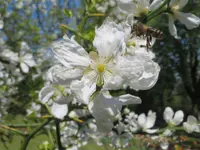
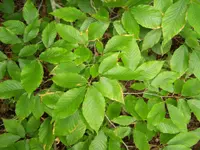
Trifoliate orange, Citrus trifoliata, is a cold-hardy deciduous shrub or small tree in the citrus family, often used as a tough hedge or rootstock. It has stiff, green, often twisted branches with strong thorns and distinctive 3-part leaves that drop in winter.
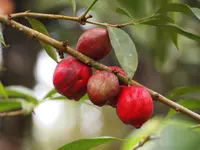
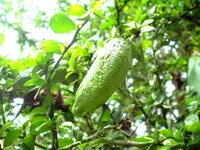
In spring it produces fragrant white flowers, followed by small, yellow, seedy fruits that are usually too sour and bitter for fresh eating. The species is native to northern China and Korea but is now grown in many temperate regions for its resilience and ornamental value.
It tolerates poor soils, urban conditions, and cold better than most citrus, which makes care for trifoliate orange relatively straightforward if it has sun and well-drained soil.

Care Difficulty
Easy Care

Light Preference
Full Sun

Water Requirements
Moderate Water

Temperature Preference
Cold Hardy

Hardiness Zone
5–9

Soil Texture
Sandy, Loamy, Clay

Soil pH
Acidic (5.5–6.5), Slightly acidic (6.5–7.0)

Soil Drainage
Well-drained

Fertilization
Minimal (feed rarely)
Scan your plant to receive care tips personalized for your specific plant
Available on iOS and Android
This hardy citrus shrub prefers bright outdoor conditions with direct sun for strongest growth and fruiting.
This species prefers evenly moist but not saturated soil and tolerates short dry spells once established.
This cold-hardy citrus tolerates lower temperatures than most citrus species but still has clear seasonal limits.
This species handles a wide humidity range and usually does not need special humidity control.
This plant prefers sharply drained, mineral-lean soil rather than rich, heavy mixes.
This species is well suited to container growing when the pot supports its woody, often thorny framework.
This hardy rootstock citrus benefits from modest feeding in containers or poor soil, but heavy fertilization is unnecessary.
Pruning Citrus trifoliata focuses on safety, structure, and removing weak wood rather than heavy shaping.
This species is most often transplanted in the landscape, with container Citrus trifoliata needing occasional size upgrades.
Citrus trifoliata is commonly propagated for rootstock production and hedging, mainly from seed but also from cuttings.
This shrub is notably cold hardy and usually needs only minimal winter care in most temperate regions.

Plant Health Check
Not sure what's wrong with your plant? Check your plant's health inside the app.
This citrus relative tolerates winter temperatures down to about -10°F to -20°F, making it one of the hardiest woody members of the citrus family and allowing outdoor cultivation far beyond usual citrus-growing regions.
Its long, rigid thorns are actually modified short shoots with distinct joints, creating dense, nearly impenetrable branches that have been used historically as living fences and barrier hedges.
The small yellow fruits contain high levels of bitter flavonoids and limonoids, which make them generally unsuitable for fresh eating but useful in small amounts for marmalades, flavoring, and as a citrus rootstock indicator in breeding work.

This species has naturalized and forms thorny thickets that provide cover and nesting sites for birds in several regions of the United States, where it is considered invasive in some states due to its ability to spread in pastures, woodlands, and along fencerows.
This species is invasive in several warm-temperate regions, especially parts of the southeastern United States. It spreads by seed from bird-dispersed fruit and by dense, thorny suckering, forming impenetrable thickets that outcompete native shrubs and tree seedlings.
Keep your plants happy and healthy with plant identification, disease detection, and easy care guidance.