Mulch For Moisture
Apply a 5–8 cm layer of coarse bark or conifer needles around the root zone each spring to keep the shallow roots cool, conserve moisture, and slowly maintain soil acidity.

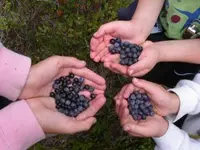
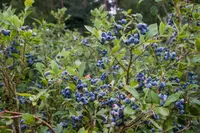
Cascade bilberry, Vaccinium deliciosum, is a low-growing, deciduous shrub in the heath family, related to blueberries. It forms small, spreading clumps with fine branches and small, rounded leaves. In season, it produces pale pink, urn-shaped flowers followed by blue, edible berries. This species is native to moist, open subalpine and alpine areas of the Pacific Northwest. It prefers cool summers, consistent moisture, and acidic, well-drained soil, which can make it more challenging in warm or dry climates. Those conditions shape how to care for Cascade bilberry successfully in a garden setting.

Care Difficulty
Moderate Care

Light Preference
Partial Sun

Water Requirements
Keep Soil Moist

Temperature Preference
Cold Hardy

Hardiness Zone
4–8

Soil Texture
Sandy, Loamy, Organic-rich

Soil pH
Strongly acidic (4.5–5.5)

Soil Drainage
Moist but well-drained

Fertilization
Minimal (feed rarely)
Scan your plant to receive care tips personalized for your specific plant
Available on iOS and Android
Vaccinium deliciosum prefers cool, bright sites that mimic open mountain habitats.
This shrub favors consistently moist, cool soil without becoming waterlogged.
This species is adapted to cool summer conditions and cold, snowy winters.
This species prefers consistently cool, moderately moist air rather than very dry indoor conditions.
Vaccinium deliciosum requires acidic, well-drained, organic-rich soil that stays evenly moist but never waterlogged.
This low-growing species can be grown successfully in containers when moisture and acidity are carefully managed.
Vaccinium deliciosum typically needs minimal feeding when grown in suitably acidic, organic-rich soil.
Pruning Vaccinium deliciosum is mainly about light maintenance rather than heavy reshaping.
This species is usually grown in the ground, so focus on careful transplanting rather than frequent repotting.
Vaccinium deliciosum is most reliably propagated by cuttings or layering, with seed used mainly for specialist work.
This cold-hardy shrub usually overwinters well in its suitable climate with minimal intervention.

Plant Health Check
Not sure what's wrong with your plant? Check your plant's health inside the app.
This species naturally occurs on subalpine and alpine slopes and ridges in the Pacific Northwest, often above 1,200 m, where it endures long snow cover and short, cool growing seasons.
Unlike taller huckleberries, it forms low, mat-like or tufted shrubs typically under 20 cm tall, helping it survive harsh winds and snow load in exposed mountain habitats.
Its small blue berries are an important seasonal food source for grouse, small mammals, and bears in high-elevation ecosystems, especially in late summer when other fruits are scarce.

Vaccinium deliciosum often hybridizes naturally with closely related high-elevation Vaccinium species in the Pacific Northwest, creating intermediate plants that can make field identification challenging even for experienced botanists.
Lack of flowers usually comes from too much shade, pruning at the wrong time, or nutrient imbalance, especially excess nitrogen. Check that the plant gets cool, bright conditions, acidic soil, and avoid heavy pruning until after flowering wood forms.
Keep your plants happy and healthy with plant identification, disease detection, and easy care guidance.