ti ngahere Care (Cordyline banksii)

Also known as: Forest Cabbage Tree
ti ngahere

About ti ngahere

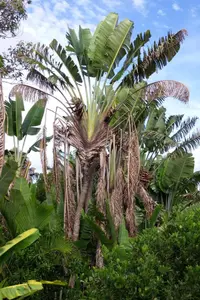
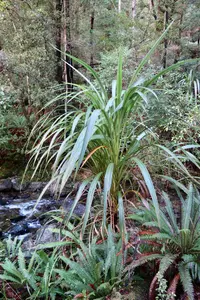
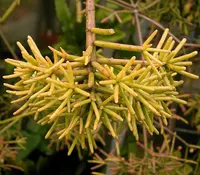
Ti ngahere (Cordyline banksii) is an evergreen shrub or small tree with long, arching, sword-like leaves that form loose clumps or multi-stemmed thickets. It often develops a graceful, fountain-shaped habit that fits well in naturalistic or coastal-style plantings.

This species is native to New Zealand forest margins and riverbanks, where it grows in mild, moist, and often windy conditions. It is valued for its resilience, tolerance of cool temperatures, and ability to handle a range of soils, which makes it relatively straightforward to care for ti ngahere in suitable climates.

It prefers consistent moisture, free-draining soil, and light from bright shade to gentle sun, especially in hotter regions.

Main Plant Requirements

Care Difficulty

Moderate Care

Light Preference

Partial Sun

Water Requirements

Moderate Water

Temperature Preference

Warm Climate

Hardiness Zone

9–11

Soil Texture

Sandy, Loamy, Organic-rich

Soil pH

Acidic (5.5–6.5), Slightly acidic (6.5–7.0)

Soil Drainage

Moist but well-drained

Fertilization

Light (every 4–6 weeks)

Get Personalized Care Plan

Scan your plant to receive care tips personalized for your specific plant

Available on iOS and Android

How to Care for the ti ngahere

Cordyline banksii prefers bright, gentle light to keep foliage healthy and colored.

  • Provide 4–6 hours of morning sun with light afternoon shade; strong late-day sun in summer can scorch leaves, especially in hot inland areas.
  • Tolerates partial shade, but growth becomes looser and leaf color dulls if light drops below roughly 3–4 hours of bright exposure.
  • In cooler climates, ti ngahere can handle more direct sun; in hotter regions, use filtered light from trees or a shade cloth in midsummer.

This species prefers steadily moist, well-drained soil rather than extremes of drought or saturation.

  • Check soil before watering; in the ground, wait until the top 3–5 cm is dry, then water deeply so moisture reaches the main root zone.
  • Reduce frequency in cool seasons, allowing the surface to dry a little more; increase during hot, windy periods when leaves wilt slightly by late afternoon.
  • Use free-draining soil with added organic matter; yellowing, soft leaves often indicate overwatering, while crisp brown tips and curling suggest underwatering.

This plant prefers mild, frost-free conditions with only moderate heat or cold stress.

  • Aim for 60–80°F (16–27°C) for best growth; extended periods within this range support steady foliage production and root activity.
  • Tolerates brief drops to about 25–28°F (-4 to -2°C), but repeated frosts damage leaves; protect the crown with mulch or frost cloth in colder zones.
  • In hot climates, growth slows above 90°F (32°C); provide extra water and some afternoon shade to limit heat stress, especially for young plants.

Cordyline banksii prefers moderately humid air but usually adapts to typical indoor and outdoor household levels.

  • Aim for 40–60% humidity, avoiding very dry heated rooms where leaf tips brown more quickly.
  • Tolerates short dry spells, but persistent dry air causes crispy margins and increased leaf shedding.
  • Increase humidity by grouping plants or placing the container on a pebble tray with water, keeping the pot base above waterline.

Cordyline banksii grows best in loose, moist, sharply drained soil that still holds some organic matter.

  • Use a loamy, slightly sandy base enriched with compost to support steady moisture without becoming compacted.
  • Ensure fast drainage by blending roughly 30–40% coarse sand or fine gravel plus perlite into the mix.
  • Aim for slightly acidic to neutral pH around 6.0–7.0 to keep nutrients available and root function stable.
  • Avoid heavy clay, waterlogged spots, or peat-only mixes that stay soggy and exclude air from the roots.

This species is well suited to container growing in patios, balconies, and small gardens.

  • Choose a deep, weighted pot or add stones in the base zone to improve stability for this upright, top-heavy plant.
  • Select a potting mix that drains quickly but does not pull away from the pot sides when dry, which disrupts watering uniformity.
  • Use thicker-walled or ceramic containers in hot, exposed sites to slow moisture loss and reduce root temperature swings.

Cordyline banksii benefits from modest feeding during active growth, especially in containers, while in-ground plants often need little enrichment.

  • Use a balanced slow-release fertilizer or a dilute liquid feed (about 1/2 strength) for potted ti ngahere from early spring to late summer.
  • Apply every 4–6 weeks in the growing season, ensuring the soil is already moist to avoid root burn.
  • Reduce feeding to 1–2 very light applications or stop entirely in fall and winter when growth slows.
  • In garden beds, incorporate compost or well-rotted manure once a year instead of frequent synthetic fertilizer.

Pruning helps maintain a tidy, safe shape and encourages fresh foliage on Cordyline banksii.

  • Carry out main pruning in late winter or early spring before strong new growth begins.
  • Remove dead, damaged, or crossing leaves and stems using clean, sharp secateurs or loppers.
  • Shorten tall, bare stems above a node to encourage branching and a fuller crown.
  • Cut spent flower stems at the base once they brown to direct energy back into vegetative growth.

Container-grown plants and young garden specimens benefit from careful transplanting to support steady growth.

  • Check for roots circling the pot, pushing through drainage holes, or noticeably slowed growth as signals to move Cordyline banksii up a size.
  • Plan repotting or transplanting for spring when soil is warming and recovery is fastest.
  • In pots, shift to a container 2–5 cm wider with free-draining mix every 2–4 years, firming gently without compressing roots.
  • Water thoroughly after moving, keep out of intense sun and strong wind for 1–2 weeks, and avoid fertilizing until new growth appears.

New plants are most often produced from stem sections and division rather than seed for this species.

  • Take 5–10 cm stem cuttings or cane sections in late spring or early summer from healthy, non-flowering shoots.
  • Lay cane cuttings horizontally or plant upright in a very free-draining mix, keeping the node just below the surface.
  • Maintain bright, indirect light, 70–80°F warmth, and lightly moist, not wet, substrate to encourage root and shoot formation.
  • For clumping plants, divide offsets with a sharp spade in spring, keeping a good root portion on each division and watering well after planting.

This species is moderately frost tolerant but benefits from simple winter precautions in colder regions.

  • Tolerates light frosts, but foliage may burn below about 25°F, especially in exposed sites.
  • In fall, apply a 5–8 cm mulch layer around the root zone, keeping it slightly away from the stem base.
  • In very cold snaps, wrap stems with frost cloth or horticultural fleece, securing it loosely for airflow.
  • Move container plants under cover or indoors to a bright, cool, frost-free spot until temperatures stabilize.

Care Tips

Wind-smart placement

In windy areas, plant in a slightly sheltered spot or behind a windbreak to reduce tearing of the long leaves and prevent rocking of the root ball, which can cause slow decline over time.

Root anchoring mulch

Apply a 5–8 cm ring of coarse organic mulch around, but not touching, the stem to keep surface roots cool, reduce soil heave, and stabilize moisture, which helps young plants establish a stronger root system.

Multi-stem management

After flowering or storm damage, selectively cut older or broken stems back to 15–30 cm above the ground to encourage a tidy clump of new shoots rather than one tall, top-heavy stem.

Salt and spray tolerance

In coastal gardens, hose the foliage with fresh water every few weeks during dry spells to rinse off salt spray and dust, which helps maintain healthy leaf tissue and reduces marginal burn.

Container stability check

For large potted plants, choose a wide, heavy container and occasionally rotate and re-level the pot so the tall canopy does not tip or lean as new growth shifts the plant’s center of gravity when growing ti ngahere outdoors or indoors.

Common Pests and Diseases

Cordyline leaf spot

This disease causes tan to dark-brown spots with purple or reddish margins on older leaves, often merging into larger dead patches under cool, damp conditions. Symptoms include premature leaf yellowing and a general decline in foliage quality.

Solution

Remove and discard heavily spotted leaves and fallen debris to reduce fungal spores, and improve airflow by thinning crowded shoots. Keep foliage dry when possible, water at soil level, and if spotting continues in wet weather, use a targeted ornamental foliar fungicide labeled for leaf spots according to local regulations and label directions.

Cordyline anthracnose

This disease produces irregular dark lesions on leaves that may have a sunken or papery center, often starting at leaf tips or edges after prolonged humidity or overhead watering. Symptoms include distorted new growth and gradual thinning of the canopy.

Solution

Prune out and destroy affected leaf tips or whole leaves, sterilizing tools between cuts, and avoid overhead irrigation to keep leaves dry. Increase light and air movement around the plant, and in persistent or severe cases apply an anthracnose-effective fungicide labeled for ornamental foliage plants according to label instructions.

mealybugs

These insects appear as white, cottony clusters in leaf axils, on leaf bases, and along stems, where they suck sap and weaken the plant. This pest often causes sticky honeydew and sooty mold on the foliage, along with slowed growth and leaf yellowing.

Solution

Isolate affected plants, then dab visible insects with cotton swabs dipped in isopropyl alcohol or wash them off with a firm stream of water, focusing on leaf bases and hidden crevices. For larger infestations, use a systemic insecticide or horticultural oil labeled for mealybugs on ornamental plants, repeating at the interval stated on the label until no new insects appear.

scale insects

These insects form small, dome-shaped or flat brown bumps on stems and leaf midribs and remain fixed in place while sucking sap. This pest can cause yellowing, poor growth, and sticky honeydew that encourages sooty mold.

Solution

Gently scrape or wipe off individual scales with a soft brush or cloth and prune heavily infested stems, disposing of the material. Follow up with horticultural oil or a suitable systemic insecticide labeled for scale on ornamentals, applying multiple treatments as directed to catch newly emerging crawlers.

cordyline mosaic virus

This disease causes pale streaks, mosaic patterns, or irregular banding on leaves, sometimes with twisted or stunted growth, especially in variegated forms. Symptoms include chronic poor vigor even when watering and light are appropriate.

Solution

Remove and destroy any plants with strong, consistent mosaic symptoms, as viruses cannot be cured and can spread through sap and infected propagation material. Disinfect cutting tools between plants, control sap-feeding insects such as aphids and mealybugs that can vector viruses, and only propagate from healthy, symptom-free stock to support reliable Cordyline banksii plant care.

Interesting Facts

Forest margin specialist

This species naturally occurs on forest margins, riverbanks, and slips in New Zealand, showing a strong tolerance for disturbed, erosion-prone sites compared with many other native shrubs.

Layered leaf rosettes

Unlike some other Cordyline species with a single tall trunk, it often forms multiple stems with dense, layered rosettes of leaves, giving it a shrubby, fountain-like habit rather than a palm-like shape.

Clonal thicket former

Cordyline banksii commonly spreads by suckering from its base and along buried stems, forming clonal thickets that help stabilize soil on slopes and newly exposed ground.

Botan icon

Did you know?

In its native New Zealand, Cordyline banksii is one of the few broadleaf understorey shrubs that can survive and regenerate after large-scale landslides, quickly colonizing bare slips and helping initiate natural forest recovery on unstable terrain.

FAQs about ti ngahere

Growth is moderate. In mild, frost-free climates, this plant can add about 20–40 cm of height per year, slowing as it matures. Container plants usually grow a bit more slowly than those in open ground.

Grow Healthy Plants with Botan Care

Keep your plants happy and healthy with plant identification, disease detection, and easy care guidance.

Botan plant care app — identify plants on mobile

Explore More Plants