Acidify Irrigation Water
If tap water is hard or alkaline, mix in a small, measured amount of citric acid or use collected rainwater so the irrigation water stays slightly acidic and does not slowly raise soil pH over time.

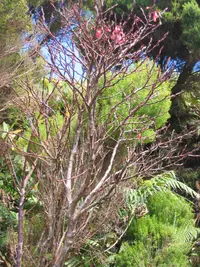
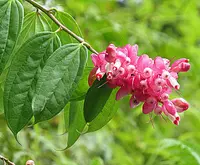
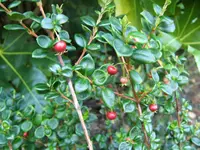
Azores blueberry, Vaccinium cylindraceum, is an evergreen shrub from the Azores archipelago in the North Atlantic. It belongs to the heath family, related to cultivated blueberries and heathers. Plants form upright, bushy growth with glossy green leaves and tubular, often pinkish to white flowers, followed by small blue to black berries. In mild climates, it can be grown as an ornamental shrub or specialty fruit plant. This species prefers cool, moist, acidic soil and benefits from consistent moisture without waterlogging. It suits gardeners willing to provide slightly specialized conditions and to learn how to care for Azores Blueberry over time.

Care Difficulty
Moderate Care

Light Preference
Partial Sun

Water Requirements
Keep Soil Moist

Temperature Preference
Cool Climate

Hardiness Zone
9–11

Soil Texture
Loamy, Peaty, Organic-rich

Soil pH
Strongly acidic (4.5–5.5), Acidic (5.5–6.5)

Soil Drainage
Moist but well-drained

Fertilization
Minimal (feed rarely)
Scan your plant to receive care tips personalized for your specific plant
Available on iOS and Android
This species prefers bright, cool conditions that mimic its native oceanic climate.
Vaccinium cylindraceum relies on consistently moist but air-filled soil around its fine roots.
This shrub favors mild, oceanic-type temperatures without strong extremes.
This species prefers moderately moist air but adapts if roots are well managed.
Vaccinium cylindraceum needs acidic, airy, consistently moist but not waterlogged soil.
This species is suitable for container growing when the pot and medium are chosen to match its shallow, fibrous roots.
Vaccinium cylindraceum benefits from light, acid-loving feeding rather than heavy fertilization.
Vaccinium cylindraceum responds well to light structural pruning that maintains airflow and flower production.
This species is usually grown in the ground, so focus on careful transplanting rather than frequent repotting.
Vaccinium cylindraceum is most commonly propagated by semi-ripe cuttings under controlled conditions.
This blueberry is moderately cold hardy but benefits from basic root-zone protection in harsher winters.

Plant Health Check
Not sure what's wrong with your plant? Check your plant's health inside the app.
This species is endemic to the Azores archipelago, where it naturally occurs in humid montane forests and shrublands, often forming part of the native laurisilva vegetation.
Unlike many blueberry relatives with small, rounded blossoms, this species bears elongated tubular to cylindrical flowers in dense clusters, which are highly attractive to pollinating insects.
Its combination of upright habit, colorful new growth, and conspicuous flower clusters has led to its use as an ornamental shrub in mild, oceanic climates beyond its native range.

Vaccinium cylindraceum is considered one of the key native Ericaceae in the Azores, helping stabilize soils and support local biodiversity within sensitive high-altitude habitats that are increasingly impacted by land-use change and invasive species.
The fruits are edible and similar to other blueberries, though often smaller and sometimes more tart. They are safe to eat raw, in jams, or baked goods, provided plants have not been sprayed with non-food-safe chemicals.
Keep your plants happy and healthy with plant identification, disease detection, and easy care guidance.