New Zealand shiitake Care (Lentinula novae-zelandiae)

New Zealand shiitake

About New Zealand shiitake

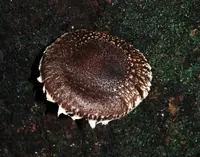
New Zealand shiitake, Lentinula novae-zelandiae, is a wood-decaying mushroom species, not a leafy plant. It forms medium-sized, brown, gilled caps on dead or fallen wood.

This fungus is native to New Zealand forests, where it helps break down hardwood logs and branches. Its growth habit is clustered, often appearing after sustained moisture.

In cultivation it prefers cool, humid, shaded conditions and clean hardwood substrates. It is considered somewhat challenging for beginners, mainly due to its need for stable moisture, fresh air, and careful hygiene when you care for New Zealand shiitake.

Main Plant Requirements

Care Difficulty

Hard Care

Light Preference

Shade

Water Requirements

Keep Soil Moist

Temperature Preference

Cool Climate

Hardiness Zone

Unknown

Soil Texture

Loamy, Peaty, Organic-rich

Soil pH

Strongly acidic (4.5–5.5), Acidic (5.5–6.5)

Soil Drainage

Moist but well-drained

Fertilization

Minimal (feed rarely)

Get Personalized Care Plan

Scan your plant to receive care tips personalized for your specific plant

Available on iOS and Android

How to Care for the New Zealand shiitake

This wood-inhabiting fungus prefers cool, shaded forest-like light rather than direct sun exposure.

  • Provide bright shade or dappled woodland light, with no more than 1–2 hours of weak early-morning sun; avoid direct midday or afternoon sun, which can overheat logs and dry the substrate.
  • Place fruiting logs where they receive consistent shade from trees, fences, or shade cloth, mimicking New Zealand shiitake in its natural forest understory habitat.
  • In summer, increase shade or move logs to deeper shade; in cooler seasons, allow slightly brighter but still filtered light to prevent surface drying without overheating.

Moisture management focuses on keeping the wood substrate evenly damp without stagnation.

  • For outdoor logs, check moisture weekly; the surface should feel cool and moist, not dry or crumbly, before soaking or heavy watering is considered.
  • Soak logs only when they feel noticeably lighter and the bark looks dry, then let excess water drain completely to avoid prolonged saturation and fungal rot competition.
  • In hot, windy weather, mist or hose the bark surface briefly on dry days, watching for pale, shrinking mycelium as a sign of underwatering and sour, swampy odor as a sign of overwatering.

This species fruits best in cool to mild conditions and is sensitive to both hard frost and strong heat.

  • Aim for a general growth range of 50–77°F (10–25°C), with ideal fruiting often around 57–68°F (14–20°C) when moisture and shade are adequate.
  • Protect inoculated logs from hard freezes below about 26°F (-3°C) by mulching or moving them to a sheltered, unheated but frost-protected area.
  • In hot spells above 82–86°F (28–30°C), shift logs to deeper shade, increase surface misting, and ensure good air movement to limit heat stress and mycelium dieback.

This wood-decaying fungus needs consistently high humidity to form healthy fruiting bodies.

  • Aim for 85–95% humidity around New Zealand shiitake logs or blocks, especially during pinning and fruiting.
  • Watch for drying caps, cracked edges, and stalled pin growth as signs humidity is too low.
  • Increase humidity with frequent fine misting, soaked-towel tents, or a plastic humidity tent with ventilation holes.

This species grows on woody substrates rather than soil, so conditions must mimic decaying hardwood.

  • Use a mix of hardwood sawdust and chips, optionally enriched with 10–20% wheat bran or similar supplement for nutrition.
  • Ensure the substrate drains excess water yet stays evenly moist; it should feel like a wrung-out sponge, not muddy or dripping.
  • Maintain a slightly acidic to neutral environment around pH 5.5–7.0 for reliable mycelium colonization and fruiting.
  • Avoid garden soil, dense compost, or manures, which compact, hold excess water, and introduce competing microbes.

This fungus is suitable for container-style cultivation using bags, tubs, or buckets filled with hardwood-based substrate.

  • Choose a sturdy, opaque container that protects the colonized block from light and physical disturbance while still allowing gas exchange via holes or filters.
  • Drill or cut fruiting holes only where the substrate fills the container tightly, which supports clusters and prevents sagging or collapse.
  • Elevate containers on racks or bricks so drainage holes or slits do not sit in pooled water, reducing contamination risk at the base.

This wood-decaying fungus grows mainly on nutrient-rich logs and usually needs little additional fertilizer for healthy fruiting.

  • Use fresh, uncontaminated hardwood logs or sawdust blocks as the primary nutrient source rather than applying conventional plant fertilizer.
  • If yields decline on indoor blocks, supplement with a low-rate, mushroom-specific nutrient mix or light composted sawdust, following product directions closely.
  • Avoid high-nitrogen or salty chemical fertilizers, which can damage mycelium and invite contamination in New Zealand shiitake setups.
  • During cooler, less active periods, focus on proper moisture and fresh air exchange instead of adding extra nutrients.

Lentinula novae-zelandiae does not require true pruning, but some hygiene trimming supports healthy mushroom production.

  • During harvest, cut mature fruiting bodies cleanly at the base with a sharp knife or scissors to avoid tearing the substrate.
  • Remove any damaged, moldy, or heavily insect-infested mushrooms immediately to reduce spread of pathogens.
  • Clear away spent or waterlogged clusters that block air movement, improving ventilation around developing fruiting bodies.
  • Disinfect cutting tools between batches if contamination has been an issue, using alcohol or a dilute bleach solution, then rinse and dry.

This species is managed by moving inoculated logs or blocks rather than traditional repotting in soil.

  • Transplant when a fully colonized log or block shows reduced yields, excessive drying, or is outgrowing its fruiting space.
  • Choose mild weather for outdoor moves, ideally in spring or fall, to limit heat or cold stress on the mycelium.
  • Shift logs or blocks gently to a shaded, humid site with good airflow, avoiding direct sun and strong drying winds.
  • After relocating, water the surrounding area or lightly soak logs to rehydrate, then allow excess water to drain to prevent rot pockets.

Propagation of this fungus relies on mycelium-based methods rather than seeds, using sterile technique for best results.

  • Commercially, propagation uses grain spawn or sawdust spawn prepared in sterile conditions to carry living mycelium.
  • For log culture, drill holes in fresh hardwood logs in late winter to early spring and insert spawn plugs, then seal with wax.
  • Maintain colonizing logs or blocks in a shaded, humid, well-ventilated area until the mycelium fully permeates the substrate.
  • Avoid home attempts to clone wild fruiting bodies without sterile equipment, as contamination commonly overwhelms young cultures.

Outdoor cultures of this fungus handle cool, moist conditions but may need some winter protection in colder regions.

  • In climates with hard freezes below about 25°F, place logs in a sheltered, north-facing spot to limit temperature swings.
  • Apply a light mulch of leaves or straw around, not over, logs to buffer soil and retain moisture at the base.
  • For indoor blocks, maintain cool but frost-free conditions around 40–50°F with steady humidity and gentle airflow.

Care Tips

Use Suitable Logs

Select fresh, disease-free hardwood logs (such as beech, oak, or southern hemisphere Nothofagus species if available) cut in the last 2–6 weeks, as older or decaying wood often carries competing fungi that will outgrow your shiitake spawn.

Seal Inoculation Points

After drilling and inserting spawn plugs, seal each hole with food-grade cheese wax to keep moisture in the log and block contamination from wild fungi and bacteria.

Maintain Log Hydration

If logs lose weight or bark looks dry and dull, soak them fully submerged in clean, chlorine-free water for 12–24 hours, then drain well to avoid anaerobic conditions that can weaken the mycelium.

Stack for Airflow

Arrange inoculated logs in a loose lean-to or crib stack off the ground so air moves freely around each log, which helps prevent mold growth while keeping the bark surface shaded and evenly moist.

Time Harvest Precisely

Harvest mushrooms when caps are about 70–80% open with firm edges by cutting cleanly at the base, as this timing balances texture, flavor, and shelf life when caring for New Zealand shiitake.

Common Pests and Diseases

Fungus gnat larvae

This pest feeds on moist substrate and can graze on developing mycelium and young mushroom primordia, reducing yield and causing malformed fruiting bodies.

Solution

Use fine mesh or insect netting over vents and openings, avoid standing water, and allow the top layer of substrate to become slightly less wet between heavy mistings while still maintaining humidity. Sticky traps placed just outside the grow space help monitor adults, and badly infested blocks or logs should be removed and discarded to protect healthy cultures when caring for New Zealand shiitake.

Scuttle flies

These insects (often Megaselia species) are attracted to mushroom substrates and lay eggs; their larvae tunnel through fruiting bodies, contaminating them and spreading competing molds or bacteria.

Solution

Improve physical exclusion using tight-fitting doors, filters on air inlets, and insect netting, and promptly harvest mushrooms as caps open to reduce attraction. Remove and dispose of infested clusters or blocks and thoroughly clean surrounding surfaces with a mild disinfectant to break the life cycle.

Green Trichoderma mold

This disease is caused by Trichoderma species, which outcompete Lentinula mycelium, forming dense white growth that turns green as spores develop and leading to patchy or failed fruiting.

Solution

Immediately bag and remove contaminated blocks or logs from the grow area to prevent spore spread, and never try to cut out small patches. Review sterilization or pasteurization steps, lower excess substrate moisture, improve air exchange, and clean shelves, tools, and walls with a suitable disinfectant before starting a new batch.

Bacterial blotch

This disease appears as slimy, dark, water-soaked spots on caps, often linked to Pseudomonas bacteria thriving under cool, stagnant, overly wet conditions.

Solution

Reduce overhead misting directly onto caps and instead aim for high ambient humidity with good air movement and fresh air exchange. Remove and discard affected mushrooms, sanitize tools, and keep surfaces and nozzles clean to reduce bacterial load.

Dry bubble-like deformities

Symptoms include misshapen, stunted, or blistered caps and stems, often caused by parasitic or competitive fungi that distort normal development under high spore loads and poor hygiene, somewhat similar in effect to dry bubble in other cultivated mushrooms.

Solution

Maintain strict hygiene by cleaning grow rooms between cycles, using clean spawn, and avoiding reuse of contaminated substrates. Remove and discard any clusters showing severe deformities, adjust humidity and airflow to reduce condensation on caps, and if problems persist, reset the system with fully cleaned or disinfected equipment and fresh, verified spawn.

Interesting Facts

Endemic New Zealand decomposer

This shiitake relative is naturally restricted to New Zealand, where it grows on native broadleaf trees and plays an important role in breaking down dead wood in temperate forests.

Close relative of shiitake

Genetic and morphological studies show that it is a sister species to the cultivated Asian shiitake Lentinula edodes, sharing similar gill structure and spore features but diverging through long isolation in New Zealand forests.

Distinct forest habitat

Field observations place it mainly in moist, shaded native bush rather than in heavily modified or exotic plantations, which suggests a preference for intact or semi-intact indigenous forest ecosystems.

FAQs about New Zealand shiitake

The fruiting bodies are considered edible and related to culinary shiitake, but this species is less studied. Always be certain of identification, avoid polluted sites, and cook thoroughly before eating any wild or home-grown mushrooms.

Grow Healthy Plants with Botan Care

Keep your plants happy and healthy with plant identification, disease detection, and easy care guidance.

Botan plant care app — identify plants on mobile

Explore More Plants