bloody milkcap Care (Lactarius sanguifluus)

bloody milkcap

About bloody milkcap

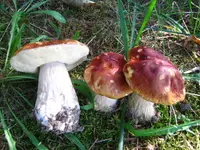
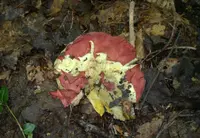
The bloody milkcap, Lactarius sanguifluus, is a mycorrhizal mushroom that forms partnerships with tree roots, especially pines. It typically appears as fleshy caps in reddish to orange-brown tones that exude dark red “milk” when cut or damaged.

This species is native to southern Europe and parts of Asia, where it fruits on forest floors in late summer to autumn. In cultivation, it is challenging because it depends on living host trees and specific soil fungi.

Those aiming to care for bloody milkcap need suitable tree partners, undisturbed, well-drained soil, and consistent moisture levels, rather than typical indoor or container conditions.

Main Plant Requirements

Care Difficulty

Hard Care

Light Preference

Partial Shade

Water Requirements

Regular Water

Temperature Preference

Cool Climate

Hardiness Zone

7–9

Soil Texture

Loamy, Sandy, Organic-rich

Soil pH

Strongly acidic (4.5–5.5), Acidic (5.5–6.5)

Soil Drainage

Moist but well-drained

Fertilization

Minimal (feed rarely)

Get Personalized Care Plan

Scan your plant to receive care tips personalized for your specific plant

Available on iOS and Android

How to Care for the bloody milkcap

This mycorrhizal mushroom prefers dappled woodland light rather than direct open sun.

  • Position bloody milkcap under light to medium tree canopy, receiving 2–4 hours of soft morning sun and bright, filtered light for the rest of the day.
  • Allow partial shade; 60–80% shade is suitable, but avoid dense, deep shade that limits host tree photosynthesis and reduces fruiting.
  • Protect sites from strong midday and afternoon sun, which can overheat the soil surface and dry the upper mycelium layer too quickly in summer.

This fungus depends on steady, moderate soil moisture around its host tree roots.

  • Maintain evenly moist, well-drained soil; allow the top 2–5 cm to dry slightly between natural rain events or supplemental irrigation.
  • During dry spells, give the host tree a deep soak, then wait until soil moisture feels just barely damp at 5–8 cm depth before watering again.
  • Avoid waterlogged conditions around Lactarius sanguifluus; persistent puddling, sour smell, or slimy soil indicate overwatering and risk of mycelium decline.

This species fruits best in mild to cool conditions typical of autumn in temperate climates.

  • Aim for soil and air temperatures of 50–68°F (10–20°C) during the main fruiting period for optimal development of caps.
  • The mycelium can survive brief drops near 28–32°F (-2–0°C), but repeated hard frosts below 26°F (-3°C) can damage young fruiting bodies.
  • In hot seasons, when air temperatures rise above 80°F (27°C), fruiting usually stops; shade, mulch, and stable moisture help the mycelium endure summer heat.

This ectomycorrhizal fungus needs consistently moist, humid woodland-like air to fruit well.

  • Aim for 70–90% humidity around developing caps, mimicking damp forest conditions near host trees.
  • Tolerates brief dips to 50–60%, but prolonged dry air causes cracked caps, pale gills, and aborted fruiting bodies.
  • Increase humidity outdoors with thick leaf litter and light misting, avoiding direct spraying on caps to reduce contamination risk.

This symbiotic mushroom requires undisturbed, tree-root–associated soil rather than a conventional potting substrate.

  • Lactarius sanguifluus fruits best in loose, well-aerated, organic-rich forest soil around suitable pine roots, not in isolated garden beds.
  • Choose a sandy to loamy mineral base with 20–40% leaf litter or composted needles to support mycorrhizal formation and moisture retention.
  • Maintain pH around 5.0–6.5; avoid liming or heavy fertilization, which can suppress the fungal–root partnership.
  • Prevent waterlogging by ensuring very free drainage; do not plant in compacted clay or sites that stay saturated after rain.

This species is generally unsuitable for standard container growing because it depends on forming ectomycorrhizae with living tree roots in open soil.

Lactarius sanguifluus is a wild mycorrhizal fungus that usually does not need direct fertilization when growing with a suitable host tree in native or semi-natural soil.

Pruning is not applicable to Lactarius sanguifluus, because it is a mushroom forming fungus rather than a woody or leafy plant.

Transplanting focuses on establishing the fungus with compatible host trees rather than moving formed mushrooms.

  • Plan site preparation in late fall or early spring, when soil is moist and temperatures are mild.
  • Move young host trees with intact root balls that contain native soil potentially carrying Lactarius sanguifluus mycelium.
  • Avoid disturbing roots more than necessary and keep roots shaded and damp during any transplanting.
  • Water thoroughly after planting to settle soil around roots and reduce mycelial stress.

Propagation of Lactarius sanguifluus is specialized and not straightforward for home growers, as it relies on mycorrhizal association with host tree roots.

This ectomycorrhizal fungus is naturally cold hardy in suitable climates and usually needs no special winter care in the ground.

Care Tips

Host tree selection

Establish this mycorrhizal fungus only with compatible pine species, ideally young Pinus trees on well-drained, slightly acidic sites, since the fungus depends on the tree roots for carbon and nutrient exchange.

Controlled inoculation

To grow bloody milkcap in a managed setting, use spore slurries or commercially inoculated pine seedlings planted into low-competition ground, and avoid disturbing the root zone for several years so the mycelium can establish.

Limit ground disturbance

Keep traffic, raking, and digging away from the dripline of host pines, as compressed or repeatedly disturbed soil disrupts the fine root–fungus interface that produces fruiting bodies.

Moderate ground cover

Maintain a light, patchy organic mulch layer from pine needles rather than thick bark or fabric mulches, which can block the emergence of mushrooms and alter the moisture profile around feeder roots.

Careful harvesting

Cut fruiting bodies at the base with a clean knife instead of pulling, and leave some mushrooms in place each season to allow ongoing spore release and reduce damage to the underlying mycelium network.

Common Pests and Diseases

Mycophagous slugs

This pest feeds on developing fruiting bodies, leaving irregular holes and slime trails on caps and gills. Symptoms include shredded margins, missing gill tissue, and silvery mucus on or around the mushrooms.

Solution

Hand-pick slugs during damp evenings, use low, rough barriers (copper tape, coarse sand, or crushed shells) around host trees, and reduce dense groundcover where they hide. In outdoor patches, beer traps or iron phosphate slug baits can be used sparingly, placed away from the main fruiting area so wildlife and pets are not attracted to the mushrooms themselves.

Fungus gnat larvae

This pest lives in soil and litter and tunnels through young mushroom stems and caps. Symptoms include soft, collapsing stems, small entry holes, and fine black larvae or pupae inside damaged tissue.

Solution

Reduce excess surface moisture and standing water around the host tree, and gently remove and discard badly infested mushrooms so larvae cannot complete their life cycle. In managed beds, a thin topdressing of coarse sand or grit and the use of yellow sticky traps for adults can lower local populations without disturbing the mycelium.

Hypomyces parasiticus

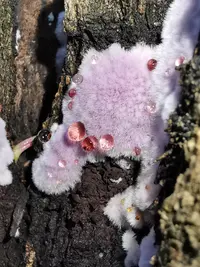
This disease is caused by a parasitic fungus that colonizes fruiting bodies, covering them with a whitish to yellow, felt-like layer that later turns powdery. Symptoms include distorted, thickened caps and gills that lose normal color and texture.

Solution

Remove and discard parasitized mushrooms as soon as they are noticed so spores do not spread further into the fruiting area. Avoid piling decaying mushrooms in the same location each year; instead, dispose of them in household waste or compost far from the host trees used for growing bloody milkcap.

Moldy cap and gill blight

This disease appears during prolonged wet, stagnant conditions, with softening, slimy caps that quickly develop gray, green, or white molds on the surface and between gills. Symptoms include rapid collapse of fruiting bodies and a sour or musty odor in the patch.

Solution

Improve air movement at ground level by lightly thinning low vegetation and leaf litter around host trees, and avoid physical covers that trap humid air close to the mushrooms. Promptly harvest sound mushrooms and remove decaying ones so mold does not build up and dominate subsequent flushes.

Bacterial soft rot

This disease affects injured or waterlogged fruiting bodies, causing water-soaked spots that turn into foul-smelling, slimy patches. Symptoms include rapid breakdown of caps and stems, often spreading from bruised or insect-damaged areas.

Solution

Handle mushrooms gently during harvest, avoid stepping on fruiting zones, and reduce overhead water that can create splash and standing droplets on caps. Remove and destroy rotting fruiting bodies and adjust irrigation or nearby watering so the ground remains moist but not waterlogged, which supports healthier Lactarius sanguifluus care instructions in outdoor settings.

Interesting Facts

Dark wine-red latex

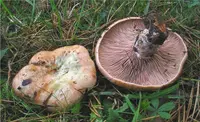
When its gills are damaged, this mushroom exudes a deep wine-red to purplish latex that slowly darkens on exposure to air, a key field character that separates it from many other red milkcaps.

Mediterranean pine partner

It forms a strict ectomycorrhizal relationship with Mediterranean pines, especially Pinus halepensis and related species, exchanging mineral nutrients from the soil for carbohydrates from the tree.

Valued edible species

In several Mediterranean countries, it is a well-regarded wild edible mushroom, commonly collected, sold in local markets, and sometimes distinguished from similar species based on subtle color and taste differences.

Botan icon

Did you know?

This species was historically confused with other red-latex milkcaps until detailed microscopic studies of spore ornamentation and tissue structure, combined with careful field observation of latex color changes, clarified its identity and led to more reliable separation from close relatives in the Lactarius deliciosus group.

FAQs about bloody milkcap

This mushroom is considered edible and valued in some regional cuisines, especially when cooked. Correct identification is essential, since similar-looking species can be inedible or harmful. Always reference a local expert or mycological guide before eating wild specimens.

Grow Healthy Plants with Botan Care

Keep your plants happy and healthy with plant identification, disease detection, and easy care guidance.


Botan plant care app — identify plants on mobile

Explore More Plants