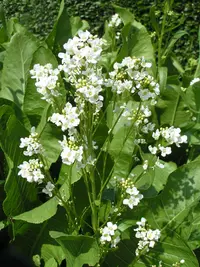
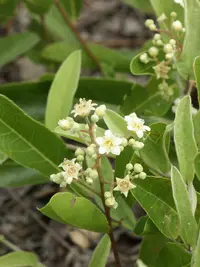
guinea henweed Care (Petiveria alliacea)

Also known as: Anamu, Garlicweed, Guinea Hen-Plant
guinea henweed

About guinea henweed

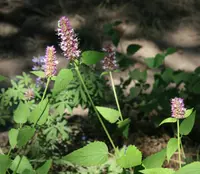
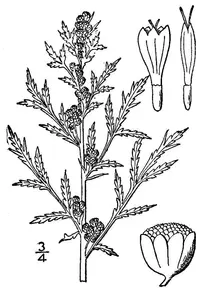
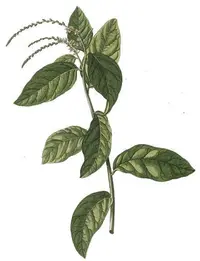
Guinea henweed, Petiveria alliacea, is a perennial herb native to tropical regions of the Americas, often found in disturbed sites, thickets, and open woodlands. It forms a low, shrubby clump with slender, upright stems and simple green leaves, sometimes producing small, elongated flower spikes. The plant is known for its strong, garlic-like odor when crushed, which comes from sulfur-containing compounds. It tends to be tough and adaptable but can spread by seed and root pieces, so it may become weedy in suitable climates. In cultivation it generally prefers warm conditions, moderate moisture, and well-drained soil, and understanding how to care for guinea henweed helps keep growth controlled and healthy.

Main Plant Requirements

Care Difficulty

Moderate Care

Light Preference

Partial Sun

Water Requirements

Moderate Water

Temperature Preference

Tropical / Frost Sensitive

Hardiness Zone

10–12

Soil Texture

Sandy, Loamy, Organic-rich

Soil pH

Acidic (5.5–6.5), Slightly acidic (6.5–7.0)

Soil Drainage

Moist but well-drained

Fertilization

Minimal (feed rarely)

Get Personalized Care Plan

Scan your plant to receive care tips personalized for your specific plant

Available on iOS and Android

How to Care for the guinea henweed

This species prefers bright, warm conditions with several hours of direct sun daily for best growth.

  • Provide 4–6 hours of direct sun, ideally morning sun with light afternoon shade, especially in hotter regions.
  • Tolerates partial shade, but guinea henweed grown in less than 3–4 hours of sun may become leggy with reduced flowering and aroma.
  • In summer, protect from harsh midafternoon sun with filtered light; in winter, choose the brightest outdoor or greenhouse spot to compensate for shorter days.

This plant prefers evenly moist, well-drained soil that never stays waterlogged.

  • Allow the top 2–4 cm of soil to dry before watering again; use this finger test rather than a fixed schedule.
  • In warm, active growth, expect to water more often as soil dries faster; reduce frequency in cooler months when growth slows.
  • Watch for yellowing, soft stems and a sour smell as signs of overwatering, and for drooping, dry, crisp leaves as a sign Petiveria alliacea is staying too dry.

This tropical species thrives in consistently warm conditions and is sensitive to cold and frost.

  • Aim for 70–85°F (21–29°C) for strongest growth, with steady warmth and no sudden temperature swings.
  • Protect the plant when temperatures drop near 50°F (10°C); it may survive brief dips to about 45°F (7°C) but foliage can suffer.
  • Avoid frost entirely, and in heat waves above 95°F (35°C) provide extra water and some afternoon shade to prevent stress and leaf scorch.

This species handles a wide humidity range but benefits from moderate moisture in the air.

  • Aim for 40–60% humidity, similar to many indoor living spaces.
  • Plant tolerates short dry-air spells, but prolonged very dry air can brown leaf edges and tips.
  • If air is very dry, group guinea henweed with other plants or place it near a shallow pebble tray with water, without submerging the pot base.

This species prefers loose, well-drained, slightly fertile soil that never stays waterlogged.

  • Use a light loam or sandy loam with 30–40% compost to provide structure and moderate nutrients for Petiveria alliacea.
  • Ensure rapid drainage by blending in coarse sand or perlite at 20–30% of the volume, especially in dense native soils.
  • Keep pH roughly neutral to slightly acidic, about 6.0–7.0, avoiding strongly acidic or alkaline conditions that restrict nutrient uptake.
  • Avoid heavy clay, compacted ground, or sites where water pools after rain, since low aeration and standing moisture raise root-rot risk.

This species can grow well in containers when planted in a deep, stable pot with sharp drainage.

  • Choose a pot at least 25–30 cm deep to accommodate its taproot and reduce stress during dry spells.
  • Select a heavier material such as ceramic or clay to keep tall stems stable against wind and accidental knocks.
  • Elevate the container on feet or bricks so drainage holes clear freely, preventing water from collecting under the base and re-soaking the mix.

Petiveria alliacea benefits from light, balanced feeding during active growth but does not need heavy fertilization.

  • Use a balanced liquid fertilizer (for example 10-10-10) at 1/2 strength every 4–6 weeks in spring and summer.
  • Alternatively, top-dress with a thin layer of well-rotted compost once in spring for slow, steady nutrition.
  • Skip or greatly reduce feeding in fall and winter when growth slows or the plant enters partial dormancy.
  • For guinea henweed in containers, ensure thorough watering after feeding to prevent root burn.

Pruning Petiveria alliacea is mainly used to keep plants compact, remove damaged growth, and encourage fresh shoots.

  • Carry out light pruning in late winter or early spring before vigorous new growth starts.
  • Remove dead, diseased, or crossing stems with clean, sharp hand pruners to maintain plant health.
  • Tip back overly long or leggy stems to shape the plant and stimulate denser branching.
  • Disinfect blades between plants to limit the spread of fungal or bacterial problems.

This species is more often grown in the ground, so focus on careful transplanting or only occasional repotting.

  • Transplant Petiveria alliacea in spring once frost risk has passed, choosing a well-drained, moderately fertile site.
  • Move or repot when roots circle the pot, water drains very quickly, or growth becomes weak despite good care.
  • Shift into a container only 1–2 in wider, disturbing roots as little as possible to reduce transplant shock.
  • Water thoroughly after transplanting, then keep soil evenly moist and shaded for 3–5 days to help roots re-establish.

Petiveria alliacea is commonly propagated from seed and, in some conditions, from semi-ripe stem cuttings.

  • Sow fresh seeds in spring in a loose, well-drained mix, barely covering them and keeping temperatures around 70–80°F.
  • Maintain steady moisture and bright, indirect light; germination may be slow and uneven over several weeks.
  • For cuttings, take 8–10 cm semi-ripe stems in late spring or summer, removing lower leaves.
  • Insert cuttings into a moist, free-draining medium and keep humidity high until firm rooting develops.

This subtropical species has low frost tolerance and needs protection in regions with cold winters.

  • In USDA zones colder than 9, grow in containers and move plants indoors before temperatures drop below 40°F.
  • Outdoors in mild climates, apply a 5–8 cm mulch layer around the root zone to buffer brief cool spells.
  • Avoid waterlogged soil in winter, as cold, wet conditions increase root damage risk.

Care Tips

Root containment

Grow Petiveria alliacea in a large container or install a root barrier in the ground to prevent it from spreading aggressively and to make clump renewal or removal easier.

Regular stooling cuts

Every 1–2 years, cut the plant back close to the base at the end of the warm season to encourage vigorous new shoots and maintain a compact, manageable form.

Seedhead management

Remove flower spikes as they finish blooming if you want to reduce self-seeding, or collect mature seedheads into a paper bag for controlled sowing when growing guinea henweed in a defined area.

Sanitary handling

Wear gloves when pruning or harvesting and clean tools afterward, as the strong-smelling sap and tissues can irritate sensitive skin and leave lasting odors on equipment.

Airflow spacing

Space plants with at least 30–45 cm between clumps and avoid dense mixed plantings to improve airflow, which helps reduce foliar disease risk in humid climates.

Common Pests and Diseases

Leaf spot

This disease causes circular brown to dark-purple spots on older leaves, sometimes with a pale center and yellow halo, especially in warm, humid conditions.

Solution

Remove and discard affected leaves, avoid overhead watering, and improve spacing and airflow around the plant; if spotting continues in very humid climates, use a copper-based fungicide labeled for ornamental foliage and keep foliage as dry as possible.

Whitefly

These insects feed on the undersides of leaves, causing yellowing, leaf drop, and sticky honeydew that can lead to sooty mold on guinea henweed foliage.

Solution

Regularly check leaf undersides and dislodge adults and nymphs with a strong stream of water, then apply insecticidal soap or a light horticultural oil every 5–7 days until populations decline, focusing on the undersides of leaves and young growth.

Spider mites

This pest thrives in hot, dry conditions, producing fine webbing and causing stippled, dull leaves that may turn bronze and drop prematurely.

Solution

Increase humidity around the plant, rinse foliage thoroughly with lukewarm water to remove mites and webbing, and follow up with repeated applications of insecticidal soap or neem oil, making sure to cover both sides of each leaf.

Leaf miners

These insects create narrow, winding tunnels inside leaves, which appear as pale, serpentine trails that reduce the photosynthetic surface of the plant.

Solution

Trim and destroy infested leaves to break the life cycle, then monitor new growth closely and use sticky traps for adult flies; in persistent cases, apply a systemic insecticide labeled for leaf miners according to directions to protect new foliage.

Nematode damage

This problem is caused by microscopic roundworms in the soil that attack roots, leading to stunted growth, yellowing foliage, and poor response to fertilizer or watering in established clumps of Petiveria alliacea.

Solution

Remove and destroy severely affected plants, avoid replanting in the same soil, and improve soil structure with organic matter; in areas with known nematode pressure, grow Petiveria alliacea in containers with fresh, high-quality potting mix and practice good crop rotation in garden beds.

Interesting Facts

Strong sulfur aroma

The roots and crushed leaves release a very strong sulfurous smell due to organosulfur compounds, similar to those found in garlic and onions, which also helps explain its common name garlic weed or anamu.

Narrow Neotropical range

This species is native to tropical regions of the Americas, particularly from Mexico and the Caribbean to northern South America, where it naturally grows in disturbed sites, forest edges, and along roadsides.

Specialized flower structure

Its small greenish-white flowers are arranged on long, slender spikes, and each flower develops into a tiny fruit with hooked bristles that can cling to animal fur, aiding seed dispersal.

Botan icon

Did you know?

Molecular and morphological studies place this species in the small family Petiveriaceae, a group separated from the amaranth family as botanists refined plant classifications using DNA evidence.

FAQs about guinea henweed

Sparse or absent flowering usually comes from insufficient light, nutrient-poor soil, or lack of pruning. Provide a long warm season, moderate feeding, and trim lightly after each flush to direct energy into flower spike production.

Grow Healthy Plants with Botan Care

Keep your plants happy and healthy with plant identification, disease detection, and easy care guidance.

Botan plant care app — identify plants on mobile

Explore More Plants