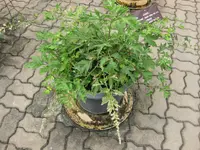
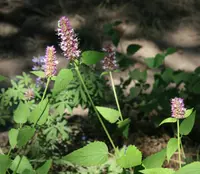
California yerba santa Care (Eriodictyon californicum)

California yerba santa

About California yerba santa

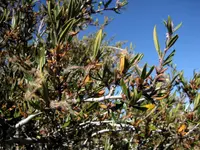
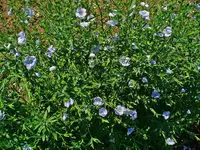
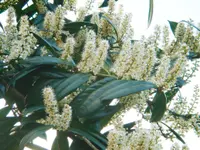
California yerba santa, Eriodictyon californicum, is an evergreen shrub native to dry slopes and chaparral habitats in California and parts of Oregon and Baja California. It forms dense, bushy clumps with narrow, sticky, aromatic leaves and clusters of small white to lavender tubular flowers.

This species is adapted to sun, heat, and drought, which makes it relatively low maintenance in dry gardens once established. It prefers well-drained, often poor or rocky soil and does not tolerate prolonged wet conditions.

Because it is a tough, drought-adapted shrub, many gardeners find it straightforward to care for California yerba santa in climates with mild, dry summers.

Main Plant Requirements

Care Difficulty

Moderate Care

Light Preference

Full Sun

Water Requirements

Low Water

Temperature Preference

Warm Climate

Hardiness Zone

7–10

Soil Texture

Sandy, Loamy, Rocky

Soil pH

Slightly acidic (6.5–7.0), Neutral (7.0)

Soil Drainage

Well-drained

Fertilization

Minimal (feed rarely)

Get Personalized Care Plan

Scan your plant to receive care tips personalized for your specific plant

Available on iOS and Android

How to Care for the California yerba santa

This sun-loving chaparral shrub thrives in bright, open exposures with dry air and low humidity.

  • Provide 6–8 hours of direct sun daily; morning to midafternoon sun suits California yerba santa best in most coastal and inland sites.
  • In hotter interior areas, give full sun until early afternoon, then light shade or filtered light to reduce leaf scorch and excessive moisture loss.
  • Plant in an open spot, away from dense shade; prolonged shade causes sparse, leggy growth and fewer flowers, especially in spring and early summer.

This drought-adapted shrub prefers infrequent, deep watering and fast-draining, mineral soils.

  • After establishment, water only when the top 5–8 cm of soil are dry and leaves begin to lose slight sheen, usually every few weeks in dry seasons.
  • Use sharply drained, sandy or gravelly soil so excess water runs off quickly; Eriodictyon californicum is prone to root rot in compacted or soggy sites.
  • Reduce or stop supplemental watering in cool, wet seasons; watch for yellowing, soft leaves as a sign of overwatering and crisp, curling foliage as a sign of prolonged drought stress.

This species is adapted to Mediterranean-type climates with mild, wet winters and hot, dry summers.

  • Optimal growth occurs around 60–80°F (16–27°C), with strongest new shoots forming in late spring and early summer under stable temperatures.
  • Mature plants tolerate brief drops to about 15–20°F (-9 to -6°C), but young shrubs benefit from protection during hard frosts and cold, drying winds.
  • Heat tolerance is high; plants handle 95–105°F (35–41°C) if soil drains well, air is dry, and watering is not increased excessively during hot spells.

This species tolerates low humidity and rarely needs special moisture control indoors or outdoors.

  • Target 30–50% humidity, similar to typical indoor air, without using humidifiers.
  • Dry air is usually tolerated, but prolonged heat plus very low humidity can crisp leaf edges and tips.
  • If air is extremely dry, group plants together or place the container outdoors in a sheltered, breezy but not hot spot.

This shrub prefers lean, fast-draining soil that mimics dry, rocky slopes.

  • Use a gritty mix such as 50% coarse sand, 25% small gravel or perlite, and 25% low-organic mineral topsoil for Eriodictyon californicum.
  • Aim for slightly acidic to neutral pH around 6.0–7.0, avoiding strongly acidic or alkaline substrates.
  • Ensure rapid drainage so water does not sit around roots; amend heavy or sticky soil with coarse sand and fine gravel to improve aeration.
  • Avoid rich, peat-heavy, or constantly moist mixes, which encourage weak, lush growth and root problems.

This species can be grown in containers if the pot is adapted to its deep, drought-tolerant root system.

  • Choose a tall, heavy container that resists tipping as the woody top growth becomes larger and catchment for wind increases.
  • Select thick-walled clay or concrete pots to prevent overheating of the root zone and to encourage faster drying between waterings.
  • Fill the container so the root crown sits slightly above the rim level to prevent water from pooling against the stem after irrigation.

This dryland shrub, often thriving on poor soils, needs only minimal fertilization in cultivation.

  • Use a light top-dressing of compost or a low-rate, slow-release balanced NPK fertilizer (around 5-5-5) once in spring for California yerba santa grown in containers or very poor soil.
  • Dilute liquid balanced fertilizer to 25–50% strength and apply only during active growth, every 6–8 weeks if needed.
  • Avoid feeding in late fall and winter, when growth slows or stops, to prevent weak, frost-sensitive shoots.
  • Do not over-fertilize; excess nutrients reduce drought tolerance and can cause lanky, weak growth.

Pruning Eriodictyon californicum is mainly done to maintain structure and plant health rather than to control size aggressively.

  • Schedule light pruning in late winter or very early spring before vigorous new growth begins.
  • Remove dead, diseased, or storm-damaged branches first, cutting back to healthy wood with clean, sharp bypass pruners.
  • Thin out crossing or crowded stems to improve air flow and light penetration, which supports healthier foliage.
  • Limit tip trimming to shape the shrub slightly, preserving most older wood to maintain flowering potential.

This species is usually grown in the ground, so management focuses more on careful transplanting than frequent repotting.

  • Transplant young plants in late winter or early spring, when soil is workable and before strong heat, to help roots establish.
  • Look for circling roots, stunted growth, or plants drying out quickly in pots as signals a larger container or ground planting is needed.
  • Handle the root ball gently, loosening only the outermost circling roots, and set it at the same depth in a fast-draining, gritty soil mix.
  • Water deeply but not excessively after transplanting, then reduce frequency as the plant resumes growth, to limit transplant shock.

Propagation of this shrub is possible from seed and semi-hardwood cuttings but needs suitable conditions and patience.

  • Collect ripe seed in late summer or fall, then sow in a well-draining, sandy mix; light scarification or brief cold stratification can improve germination.
  • Take semi-hardwood cuttings in late summer, 7–10 cm long, and remove lower leaves before sticking into a coarse, free-draining medium.
  • Provide bottom warmth around 70–75°F and bright, indirect light, keeping the medium barely moist to encourage rooting without rot.

In its typical range this shrub is fairly cold tolerant and often needs little specific winter care once established.

  • Mature plants tolerate light to moderate frost, but young or newly planted specimens benefit from extra protection below about 25°F.
  • Apply a 5–8 cm layer of dry mulch around, but not touching, the crown to buffer root temperature and conserve soil structure.
  • For container plants, move pots to a sheltered, unheated but frost-free area, and keep soil just slightly moist through winter.

Care Tips

Encourage Deep Roots

During the first 1–2 growing seasons, water less often but for longer sessions to encourage deep, drought-resilient roots that anchor the plant on slopes and poor soils.

Use Mineral Mulch

Instead of organic mulch, apply a thin layer (1–2 in) of crushed gravel or decomposed granite around the base to suppress weeds while keeping the soil surface dry and reducing fungal issues.

Control Spreading Shoots

Inspect annually for suckers and unwanted stems popping up nearby and cut them at or below soil level to prevent the plant from forming an overly dense thicket.

Regenerate Old Stems

Every few years, remove a portion of the oldest, most woody stems near the base in late winter to stimulate vigorous new growth and maintain a compact, healthy form when growing California yerba santa.

Plan For Fire Safety

In fire-prone areas, keep plants spaced from buildings and other dense shrubs and remove accumulated dry leaf litter under and around the plant at least once a year to reduce fuel load.

Common Pests and Diseases

Leaf spot fungi

Symptoms include small brown to black spots on older leaves that may merge into larger dead areas, especially after extended cool, wet periods.

Solution

Remove and dispose of heavily spotted leaves to reduce spore load, avoid overhead watering, and improve air movement around the shrub; if the plant is repeatedly affected in a garden setting, a copper-based fungicide applied during prolonged wet weather can help protect new growth.

Powdery mildew

This disease causes a white, powdery coating on upper leaf surfaces and young shoots during warm days with cool, humid nights.

Solution

Increase sun exposure where possible, thin nearby vegetation to improve airflow, and remove badly covered leaves; in persistent cases, treat new flushes of foliage with a sulfur or potassium bicarbonate product labeled for ornamental shrubs, avoiding applications during very hot weather.

Aphids

These insects cluster on tender shoot tips and undersides of leaves, sucking plant sap and sometimes leaving sticky honeydew that can attract sooty mold.

Solution

Wash colonies off with a firm stream of water, encourage natural predators such as lady beetles, and, if needed, use insecticidal soap or a light horticultural oil sprayed thoroughly over affected shoots, repeating as new aphids appear.

Leaf beetle chewing

This pest causes irregular shot holes or skeletonized areas in leaves, most noticeable in late spring and early summer on sunny, exposed plants.

Solution

Hand-pick adult beetles where practical and prune off heavily damaged shoots; for ongoing damage, use a targeted spinosad or neem-based product applied in the evening to limit impact on pollinators and repeat according to label directions.

Armillaria root disease

This disease leads to gradual decline, with reduced vigor, smaller leaves, branch dieback, and in advanced cases white fungal growth under the bark at the root collar.

Solution

Remove and destroy severely affected plants, including as much of the root system as possible, and avoid replanting woody species highly susceptible to Armillaria in the same spot; maintain good drainage and avoid overwatering nearby shrubs, as stressed plants are more prone to infection when attempting to grow Eriodictyon californicum in landscapes with a history of this fungus.

Interesting Facts

Native chaparral specialist

This shrub is native to the chaparral and dry slopes of California and parts of Oregon, where it is adapted to hot, dry summers and relatively mild, wet winters typical of a Mediterranean-type climate.

Sticky, resinous leaves

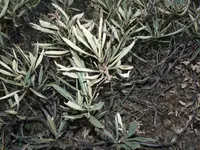
Its narrow, dark green leaves have a sticky, resinous surface and a pale, often hairy underside, which help reduce water loss and protect against intense sun exposure.

Bittersweet flavor chemistry

The leaves contain complex phenolic compounds that create a distinctive combination of bitter and slightly sweet taste, which historically led to its use as a flavoring and masking agent in some herbal preparations and early patent medicines.

Botan icon

Did you know?

This species is sometimes called mountain balm or bear weed and has a long ethnobotanical history among several Native American groups in California, who learned to identify and harvest it from specific local populations that often grow in rocky, fire-influenced habitats.

FAQs about California yerba santa

This shrub is evergreen in mild climates, holding its leathery leaves year-round. In colder areas, foliage may look tattered after frost but often resprouts from woody stems or the root crown once conditions improve.

Grow Healthy Plants with Botan Care

Keep your plants happy and healthy with plant identification, disease detection, and easy care guidance.

Botan plant care app — identify plants on mobile

Explore More Plants