curl-leaf mountain mahogany Care (Cercocarpus ledifolius)

curl-leaf mountain mahogany

About curl-leaf mountain mahogany

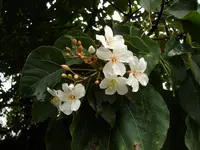
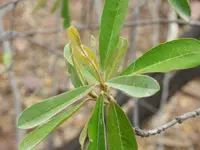
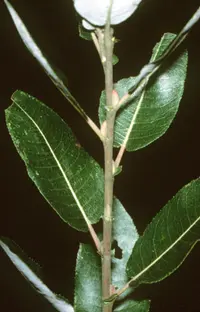
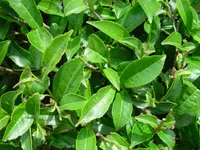
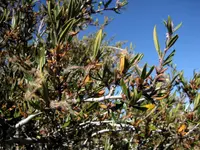
Curl-leaf mountain mahogany (Cercocarpus ledifolius) is an evergreen shrub or small tree from dry, rocky mountain slopes of the western United States. It often forms dense, gnarled thickets with small, narrow, leathery leaves that curl along the edges and silvery, feathery seed tails. Growth is typically slow but very long-lived, with plants developing a rugged, sculptural shape over time. This shrub is adapted to full sun, low moisture, and sharply drained, often alkaline soils. These traits make it tough and drought tolerant, but young plants need careful establishment, so understanding how to care for curl-leaf mountain mahogany from the start is important.

Main Plant Requirements

Care Difficulty

Easy Care

Light Preference

Full Sun

Water Requirements

Low Water

Temperature Preference

Cold Hardy

Hardiness Zone

4–8

Soil Texture

Sandy, Loamy, Rocky

Soil pH

Neutral (7.0), Alkaline (7.5–8.5)

Soil Drainage

Well-drained

Fertilization

Minimal (feed rarely)

Get Personalized Care Plan

Scan your plant to receive care tips personalized for your specific plant

Available on iOS and Android

How to Care for the curl-leaf mountain mahogany

Cercocarpus ledifolius thrives in bright, open sites with strong sun exposure.

  • Provide full sun for 6–10 hours daily; curl-leaf mountain mahogany develops densest foliage and best form with unobstructed light.
  • Accepts light or dappled shade for a few hours, especially in hot-summer climates, but dense shade leads to sparse, elongated shoots and fewer flowers.
  • In the first 1–2 years, avoid sudden exposure changes; protect young plants from intense reflected afternoon sun off walls or paving to reduce leaf scorch.

This shrub is highly drought-tolerant and prefers infrequent, deep watering once established.

  • During establishment (first 1–2 years), water when the top 5–8 cm of soil are dry, soaking the root zone deeply, then let the soil fully drain.
  • In mature landscape plantings, rely mostly on rainfall; in prolonged drought, water only when foliage dulls or lower leaves start to curl slightly.
  • Use very well-drained, rocky or sandy soil; yellowing leaves, soft stems, or a sour soil smell indicate overwatering and possible root decline in Cercocarpus ledifolius.

This species is adapted to continental climates with cold winters and hot, dry summers.

  • Active growth occurs best around 60–85°F (16–29°C); it tolerates dry heat above 90°F (32°C) if soil is well-drained and air movement is good.
  • Fully dormant plants withstand at least 0°F (−18°C), and many wild populations tolerate colder conditions with minimal damage.
  • In areas with rapid freeze–thaw cycles, avoid low, frost-pocket sites; snow cover can help insulate roots from brief drops below −10°F (−23°C).

This species is highly adapted to dry air, so humidity management is rarely necessary.

  • Target 20–40% humidity, similar to arid outdoor conditions, without supplemental misting or humidifiers.
  • Plants tolerate very dry indoor air; excess humidity combined with poor airflow raises fungal risk.
  • Watch for soft, persistently damp foliage as a sign of too-humid conditions and improve airflow rather than adding moisture.

Cercocarpus ledifolius prefers mineral, fast-draining soils that mimic rocky slopes.

  • Use a gritty mix such as 50% coarse sand, 30% small gravel or pumice, and 20% low-organic topsoil to keep roots aerated.
  • Aim for slightly alkaline to neutral pH around 7.0–8.0, avoiding strongly acidic mixes rich in peat moss.
  • Ensure water drains through in seconds, not minutes; standing water or heavy clay leads to root suffocation and decline.
  • In very compact native ground, raise the planting area with a berm of rocky fill to improve drainage and prevent winter wetness.

This shrub can be container-grown long term only where a large, heavy, very free-draining pot is practical.

  • Choose a deep, wide container with a low center of gravity to stabilize the plant’s eventual woody, wind-catching canopy.
  • Use a mineral-heavy medium and elevate the pot slightly on feet so drainage holes never sit in collected runoff.
  • Select thick-walled clay or concrete to reduce tipping in exposed sites and to prevent rapid overheating of the root zone.

Cercocarpus ledifolius is a nutrient-efficient native shrub that usually needs no fertilizer in the ground.

Pruning for Cercocarpus ledifolius is light and mainly structural, aimed at maintaining a stable framework.

  • Prune in late winter or very early spring before new growth starts.
  • Remove dead, diseased, crossing, or inward-growing branches to improve air and light penetration.
  • Use clean, sharp bypass pruners or loppers to make smooth cuts just outside the branch collar.
  • Limit thinning cuts to maintain its natural form and avoid stimulating weak, lush growth.

Transplanting curl-leaf mountain mahogany requires planning, as it dislikes major root disturbance once established.

  • Transplant young container plants after 1–2 years, before roots circle heavily or growth slows.
  • Aim for early spring or early fall, when soil is workable and temperatures are mild.
  • Dig a wide planting hole, disturbing roots as little as possible and setting the crown at soil level.
  • Water deeply after planting, then taper irrigation to encourage deep rooting and reduce transplant shock.

Propagation of Cercocarpus ledifolius is possible but slower than many ornamental shrubs.

  • Use fresh seeds in fall; many benefit from cold stratification, a moist chilling period that improves germination.
  • Sow in a very well-drained, gritty mix and keep lightly moist, not wet.
  • Take semi-ripe cuttings in midsummer, using rooting hormone and bottom warmth if available.
  • Provide bright, indirect light, steady moisture, and good air flow until new roots establish.

Mature Cercocarpus ledifolius is very cold hardy and generally needs little winter care in most climates.

  • In the ground, mulch lightly around the root zone in late fall, keeping mulch off the trunk.
  • Avoid winter waterlogging; ensure soil drains freely to prevent root damage.
  • For container plants, move pots to a sheltered, unheated area and insulate containers to limit root freeze–thaw cycles.

Care Tips

Wind training

Plant in an open, breezy location or gradually remove nearby windbreaks so young plants flex in the wind, which encourages deeper rooting and sturdier branching in exposed sites.

Minimal mulching

Use only a very thin inorganic mulch layer such as gravel, 1–2 cm deep and pulled back from the stem, to keep the root zone dry and avoid rot in this drought-adapted shrub.

Establishing root depth

During the first 1–2 years, give fewer but deeper irrigations and allow the soil to dry fully between them so roots grow down rather than staying near the surface, improving long-term drought tolerance.

Seed pod management

If self-seeding is not desired, remove the showy, feathery seed tails before they detach, which limits volunteer seedlings and conserves the plant’s resources for wood and leaf growth.

Fire-wise maintenance

In fire-prone areas, thin out dense interior twigs every few years and keep dry leaf litter and dead wood cleared from under the canopy to reduce fuel load while still growing curl-leaf mountain mahogany as a habitat shrub.

Common Pests and Diseases

Scale insects

This pest feeds on stems and leaves, sucking sap and weakening plants, especially stressed or drought-compacted roadside shrubs. Symptoms include small dome-shaped bumps, sticky honeydew, and occasional sooty mold on foliage or nearby surfaces.

Solution

Prune out heavily infested twigs and dispose of them. For light to moderate infestations, scrub affected stems with a soft brush and mild soapy water, then rinse, or apply a light horticultural oil during the growing season to smother scale while avoiding treatment during extreme heat above about 85°F.

Spider mites

These insects thrive on curl-leaf mountain mahogany in very hot, dry conditions, causing fine stippling on leaves, bronzing, and, in severe cases, fine webbing on branch tips. This pest is most common on plants growing in highly exposed, reflected-heat sites or under chronic drought stress beyond the species’ normal tolerance.

Solution

Spray foliage forcefully with water to dislodge mites, focusing on leaf undersides, and repeat several times over 7–10 days. If needed, use an insecticidal soap or light horticultural oil labeled for mites, applied in the early morning or evening to reduce leaf burn and avoid use during extreme heat.

Leaf spot

This disease occasionally affects plants in unusually humid or poorly ventilated sites, producing small brown or tan spots on leaves that may merge into larger blotches. Symptoms include premature leaf drop on the inner, shaded parts of the shrub.

Solution

Thin crowded interior branches to improve airflow and remove and discard heavily spotted leaves and fallen debris. In persistently humid locations, avoid overhead watering; if the problem recurs and is severe, a general-purpose foliar fungicide labeled for ornamental shrubs can be applied according to label directions as part of broader Cercocarpus ledifolius care.

Interesting Facts

High-elevation survivor

This species naturally grows on dry, rocky slopes from roughly 1,200 m up to subalpine zones in the western United States, tolerating intense sun, wind exposure, and very low soil moisture.

Nitrogen-fixing partner

Its roots form nodules with actinobacteria in the genus Frankia, allowing the shrub to fix atmospheric nitrogen and gradually enrich extremely poor mountain soils.

Feather-tailed seeds

The fruits bear long, silky, twisted styles that act like feathery tails, helping wind dispersal and also drilling the seeds into soil as the awns coil and uncoil with changes in humidity.

Botan icon

Did you know?

Old individuals can be several centuries old and develop extremely dense, fine-grained wood that is among the heaviest and hardest of any North American shrub, making dead stems very slow to decompose in arid mountain environments.

FAQs about curl-leaf mountain mahogany

This species is evergreen in most of its native, dry climates, holding foliage through winter. In colder or exposed sites some leaves may drop, especially after severe frost or drought stress, but the overall structure remains leafy.

Grow Healthy Plants with Botan Care

Keep your plants happy and healthy with plant identification, disease detection, and easy care guidance.


Botan plant care app — identify plants on mobile

Explore More Plants