Black Alder Care (Alnus glutinosa)

Also known as: Common Alder, European Alder, European black alder
Black Alder

About Black Alder

Black alder, Alnus glutinosa, is a fast-growing deciduous tree commonly found along rivers, lakes, and wetlands. It naturally occurs across much of Europe and parts of western Asia.

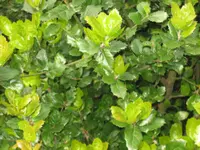
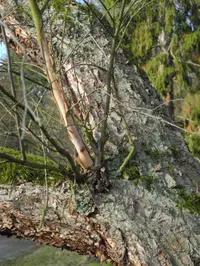
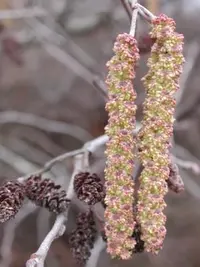
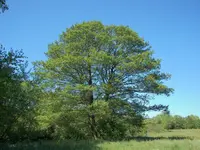
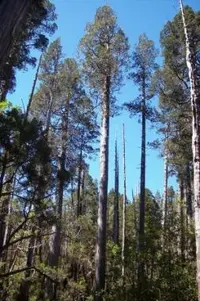
The tree has a straight trunk, rounded crown, and dark, almost black bark, with rounded leaves that stay green late into autumn. It produces small cone-like structures that persist on the branches through winter.

Black alder fixes nitrogen in the soil through root bacteria, which supports faster growth and makes it relatively easy to establish in suitable conditions. To care for Black Alder, provide consistently moist soil and good light, ideally in a spacious outdoor site.

Main Plant Requirements

Care Difficulty

Easy Care

Light Preference

Full Sun

Water Requirements

Keep Soil Moist

Temperature Preference

Cold Hardy

Hardiness Zone

3–7

Soil Texture

Loamy, Clay, Silty

Soil pH

Acidic (5.5–6.5), Slightly acidic (6.5–7.0)

Soil Drainage

Waterlogged tolerant

Fertilization

Minimal (feed rarely)

Get Personalized Care Plan

Scan your plant to receive care tips personalized for your specific plant

Available on iOS and Android

How to Care for the Black Alder

Alnus glutinosa prefers bright, open conditions but also grows well in mild shade, especially in moist sites.

  • Provide 4–8 hours of direct sun daily; full sun promotes fastest growth, especially in cool to mild climates.
  • Allow light to partial shade in hotter regions, favoring morning sun and light afternoon shade to reduce leaf scorch risk.
  • Expect slightly lower vigor and more open branching in dense shade; young Black Alder trees in shade may lean toward brighter exposures.

Black Alder is naturally adapted to wet soils and tolerates periodic flooding better than drought.

  • Aim for consistently moist to saturated soil; do not allow the top 5–10 cm to dry out on young trees, especially in the first 2–3 years.
  • In heavy clay or poorly drained sites, standing water for days is usually tolerated, but sour, foul-smelling soil indicates oxygen deprivation stress.
  • Wilting, yellowing, and early leaf drop in dry weather signal underwatering, while blackened, decaying roots or sour odor suggest chronic waterlogging beyond its tolerance.

This hardy species thrives in cool to temperate climates and withstands substantial winter cold once established.

  • Optimal growth occurs around 55–75°F (13–24°C), with strong performance in cool, moist summers.
  • Mature trees tolerate winter lows near -20°F (-29°C) or lower, making them suitable for many cold regions with regular frost and snow.
  • During hot spells above 86°F (30°C), ensure ample soil moisture; prolonged heat with drought can slow growth and cause marginal leaf scorch.

Alnus glutinosa tolerates a wide humidity range and does not require special humidity management outdoors.

Alnus glutinosa prefers consistently moist, heavy soils but adapts if basic moisture and structure needs are met.

  • Use a deep, loamy to clay-loam soil with high organic matter such as composted leaf mold or well-rotted manure.
  • Ensure the soil stays moist yet not stagnant; slow drainage is acceptable, but avoid permanently waterlogged anaerobic conditions away from natural streams or ponds.
  • Aim for slightly acidic to neutral pH around 5.5–7.0, adjusting with elemental sulfur for high-pH sites if chlorosis appears.
  • Improve aeration in very dense clays by incorporating coarse sand or fine grit in the upper 20–30 cm without creating sharp textural layers.

This fast-growing tree is generally unsuitable for long-term container cultivation due to vigorous roots and eventual size.

Alnus glutinosa usually needs little supplemental feeding because it fixes atmospheric nitrogen through root nodules.

  • On poor soils, use a light top-dressing of compost or well-rotted manure in early spring to support growth.
  • If container-grown, apply a balanced slow-release fertilizer (around 10-10-10) at half label rate once in spring.
  • Avoid high-nitrogen lawn fertilizers around the root zone to prevent overly lush, weak growth.
  • Do not feed in late fall or winter, as new soft growth may be damaged by cold.

Alnus glutinosa responds well to light structural pruning to maintain a safe, balanced crown.

  • Carry out main pruning in late winter or very early spring before bud break.
  • Remove dead, diseased, crossing, or storm-damaged branches with clean, sharp bypass pruners or a pruning saw.
  • Thin congested interior branches to improve light penetration and airflow, maintaining a natural outline.
  • Limit heavy crown reduction, as excessive cuts can stress the tree and trigger weak, fast regrowth.

Black alder is usually grown in the ground, so care focuses on correct transplanting rather than ongoing repotting.

  • Transplant young trees in late fall or early spring when soil is moist and temperatures are cool.
  • Look for signs such as circling roots or restricted growth in nursery containers before planting out.
  • Handle the root ball gently, loosening only the outer circling roots to reduce transplant shock.
  • Water thoroughly after planting and keep soil evenly moist for the first growing season to support establishment.

Alnus glutinosa is most commonly propagated from seed, with some use of hardwood cuttings for clonal material.

  • Collect mature cones in late autumn, then dry and extract seeds for sowing.
  • Sow seeds in late winter to early spring in a cold frame or outdoors, as natural chilling improves germination.
  • Use a moist, free-draining substrate and keep trays in bright, indirect light until seedlings establish.
  • For hardwood cuttings, take dormant shoots in winter, insert into sandy soil, and maintain consistent moisture.

Alnus glutinosa is a cold-hardy deciduous tree that generally needs no special winter protection in the ground.

  • Young or newly planted trees benefit from 5–8 cm of organic mulch over the root zone, kept away from the trunk.
  • Container-grown specimens in cold regions can be moved to a sheltered, unheated area to prevent root freezing.
  • Avoid late-season nitrogen feeding so growth hardens off before sustained winter frosts.

Care Tips

Root-zone protection

Apply a 5–8 cm layer of coarse wood chips or bark mulch around the base, keeping it 5–10 cm away from the trunk, to buffer soil moisture, reduce weed competition, and protect surface roots from mechanical damage.

Flexible formative pruning

During the first 3–5 years, remove only competing leaders and very low branches in late winter, leaving small, clean cuts just outside the branch collar to establish a stable single trunk without stressing the tree.

Water-table scouting

Before planting in low-lying or wet areas, dig a test pit and observe water levels over 24–48 hours so the final planting spot matches the species’ preference for consistently moist but not permanently flooded soil.

Nitrogen-fixing management

Since this species forms nitrogen-fixing nodules, avoid high-nitrogen fertilizers nearby and instead use the tree strategically as a nurse plant to improve soil fertility for future plantings downwind or downslope.

Wind and lean control

In exposed sites, use 2–3 low, flexible stakes with soft ties for only the first 1–2 growing seasons and adjust ties twice a year so the trunk can move slightly and develop strong taper while growing Black Alder.

Common Pests and Diseases

Alder leaf beetle

This pest feeds on leaves, creating holes and sometimes skeletonizing foliage, especially on younger trees. Symptoms include ragged leaf edges, black or metallic-blue beetles, and dark larvae on the undersides of leaves.

Solution

Hand-pick beetles and larvae on small trees and drop them into soapy water, and prune heavily infested twigs where practical. Encourage natural predators by avoiding broad-spectrum insecticides, and for serious defoliation on amenity trees, use a targeted foliar insecticide or biological product labeled for leaf beetles, applied according to local regulations and timing guidelines.

Alder aphids

These insects cluster on young shoots and leaf undersides, sucking sap and causing curling, distortion, and sticky honeydew that can encourage sooty mold. Symptoms include ant activity on stems and a shiny or blackened leaf surface from mold growth.

Solution

On small or accessible trees, wash colonies off with a firm stream of water and remove heavily infested shoots. For persistent infestations, use insecticidal soap or horticultural oil thoroughly on leaf undersides, repeating as needed, and limit high-nitrogen fertilization that encourages soft, aphid-prone growth when caring for Black Alder.

Alder leaf miner

This pest creates pale, winding or blotchy tunnels inside leaves as the larvae feed between leaf surfaces. Symptoms include translucent patches that later turn brown and dry, often scattered across the canopy.

Solution

Rake and destroy fallen, mined leaves in autumn to reduce overwintering pupae, and prune out highly affected small branches where feasible. On high-value landscape trees, apply a systemic insecticide labeled for leaf miners at the correct timing so that new leaves are protected as larvae begin feeding.

Phytophthora collar and root disease

This disease is caused by water-mold pathogens that attack roots and the lower stem, leading to reduced vigor, yellowing foliage, dieback, and eventual death in poorly drained sites. Symptoms include dark, sunken lesions at the base of the trunk and sparse, off-color canopy growth.

Solution

Improve drainage by avoiding chronically waterlogged planting sites, raising planting areas, or redirecting runoff, and avoid injuring the bark near the collar. Remove and destroy severely affected young trees, and in high-value plantings consider soil drenches or trunk applications of phosphonate products where legally permitted, combined with strict site and water management.

Taphrina leaf curl and distortion

This disease, caused by Taphrina fungi, distorts new leaves and catkins, which become thickened, curled, and sometimes reddish or yellowish. Symptoms include irregular leaf shapes, blistered surfaces, and premature leaf drop on affected shoots.

Solution

Prune and destroy distorted leaves and shoots as soon as they are noticed to reduce local inoculum, and collect and remove fallen affected material in autumn. In settings where the disease recurs and tree value is high, use an appropriate preventive fungicide spray just before bud break, following label directions and ensuring good coverage of buds and young twigs.

Interesting Facts

Nitrogen-fixing tree

Black alder hosts actinobacteria of the genus Frankia in root nodules, which fix atmospheric nitrogen and significantly enrich nutrient-poor, waterlogged soils around the tree.

Cones that are not cones

Its dark, woody female catkins look like miniature conifer cones and often remain on the tree through winter, releasing small winged seeds gradually into wet habitats.

Wood that resists water

The wood is soft when freshly cut but becomes very durable under water and was historically used for underwater foundations, piles, and mill structures in Europe.

Botan icon

Did you know?

In some traditional European landscape engineering, living black alder trees were pollarded or coppiced along rivers and wet fields to stabilize banks and create long-lasting, flexible timber while simultaneously improving soil fertility through their nitrogen-fixing root systems.

FAQs about Black Alder

This species is generally fast-growing, especially in moist, fertile soil. Young trees often add 45–90 cm per year, sometimes more on ideal wet sites, then slow slightly as they approach maturity and canopy closure.

Grow Healthy Plants with Botan Care

Keep your plants happy and healthy with plant identification, disease detection, and easy care guidance.

Botan plant care app — identify plants on mobile

Explore More Plants