hazel alder Care (Alnus serrulata)

Also known as: Smooth alder, Tag alder, Brookside alder, Common alder
hazel alder

About hazel alder

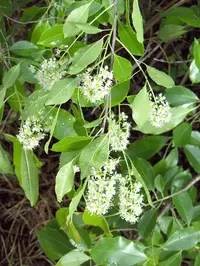
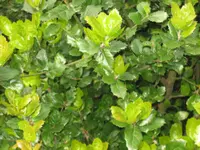
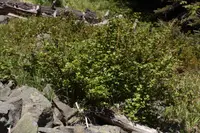
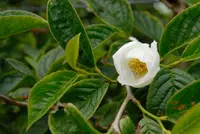
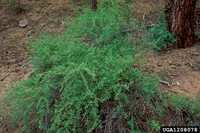
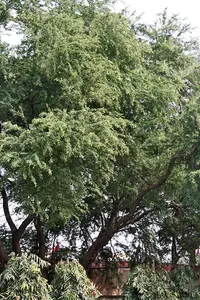
Hazel alder (Alnus serrulata) is a small, multi-stemmed deciduous shrub or small tree from wetland areas of eastern North America. It often forms dense thickets along streams, ponds, and boggy ground. Its smooth gray-brown bark, serrated oval leaves, and small cone-like seed structures give it a distinctive appearance year-round. The plant fixes nitrogen in the soil, which supports vigorous growth in poor, wet substrates and helps stabilize banks. Gardeners value it for naturalistic plantings, wildlife habitat, and erosion control, though its suckering habit can make it too vigorous for small spaces. Those who want to care for hazel alder should provide consistently moist soil and full sun to light shade.

Main Plant Requirements

Care Difficulty

Moderate Care

Light Preference

Full Sun

Water Requirements

Aquatic

Temperature Preference

Cold Hardy

Hardiness Zone

4–9

Soil Texture

Loamy, Clay, Silty

Soil pH

Strongly acidic (4.5–5.5), Acidic (5.5–6.5)

Soil Drainage

Waterlogged tolerant

Fertilization

Minimal (feed rarely)

Get Personalized Care Plan

Scan your plant to receive care tips personalized for your specific plant

Available on iOS and Android

How to Care for the hazel alder

This wetland shrub thrives in full sun but tolerates light shade, especially in hot climates.

  • Aim for 6–8 hours of direct sun daily, with morning sun and light afternoon shade preferred in regions with very hot summers.
  • Hazel alder tolerates partial shade (around 3–4 hours of direct sun), but growth and catkin production may be reduced.
  • In open winter sites low sun is acceptable, but in the growing season dense shade leads to lanky stems and sparse foliage.

This species is naturally adapted to very moist to saturated soils along streams and wetlands.

  • Maintain soil that is consistently moist to wet; the surface should feel damp and may even be mucky rather than drying by 2–5 cm depth.
  • In natural ground, allow temporary shallow flooding; prolonged complete drying causes leaf curl, pale foliage, and slowed growth.
  • Alnus serrulata copes with standing water better than drought; poor vigor, dieback, and brittle twigs indicate chronic dryness, while sour odor and black, rotting roots signal overwatering in contained sites.

This hardy shrub tolerates a wide temperature range typical of temperate climates.

  • Optimal growing-season temperatures are about 60–80°F (16–27°C), supporting steady shoot and root development.
  • Mature plants tolerate winter lows down to about -20°F (-29°C), surviving deep cold once fully established in the ground.
  • Heat above 90°F (32°C) is tolerated if soil stays wet; drought combined with heat causes leaf scorch and early leaf drop, especially on exposed sites.

Humidity is not a major concern for this species in typical outdoor conditions.

This wetland shrub prefers consistently moist, heavy soils but tolerates a range of mineral substrates.

  • Use clay or loam with high organic matter, such as native soil amended with composted leaf mold.
  • Provide slow drainage or a water-retentive site; Alnus serrulata grows best where the root zone rarely dries out.
  • Aim for slightly acidic to neutral pH, roughly 5.0–7.0, avoiding strongly alkaline or limy sites.
  • Avoid dry, sharply drained, or compacted upland soils, as roots adapted to saturated conditions can desiccate or decline.

This species is generally unsuitable for long-term container growing except as a short-term nursery or restoration plant.

Alnus serrulata generally needs little fertilizer when planted in moist, naturally rich soil.

  • For young or nutrient-poor sites, apply a light layer of compost or well-rotted manure in early spring.
  • Use a low- to moderate-strength balanced NPK fertilizer (about 1/2 strength) only if growth appears weak.
  • Feed at most 1–2 times during the growing season; avoid high-nitrogen products.
  • Do not fertilize in late fall or winter, as the tree is dormant and excess nutrients may leach away.

Pruning Alnus serrulata focuses on safety, structure, and removing weak growth rather than heavy shaping.

  • Carry out main pruning in late winter or very early spring before bud break.
  • Remove dead, diseased, crossing, or storm-damaged branches with clean, sharp bypass pruners or loppers.
  • Thin crowded interior branches lightly to improve airflow and maintain a stable, multi-stem form.
  • Avoid drastic cuts; instead, make small, angled cuts just outside the branch collar to support healthy regrowth.

This species is usually grown in the ground, so care focuses on transplanting young hazel alder rather than ongoing repotting.

  • Transplant in late fall or early spring while the plant is dormant and soil is workable.
  • Look for roots circling the nursery pot, poor drainage, or slowed growth as signals it has outgrown its container.
  • Move up only 1 pot size or into a prepared, consistently moist in-ground site with good organic matter.
  • Water thoroughly before and after transplanting, keep the root ball intact, and mulch lightly to reduce root stress.

Alnus serrulata is most often propagated from seed, with some use of hardwood cuttings in managed settings.

  • Collect mature seed cones in late fall, dry them, and sow seeds outdoors or in trays for natural cold stratification.
  • Provide cool, moist conditions and light exposure for germination in late winter to early spring.
  • For hardwood cuttings, take pencil-thick pieces in late fall, treat bases with rooting hormone, and insert into a sandy, well-drained medium.
  • Maintain consistent moisture but avoid waterlogging, and label sources to track the strongest young plants.

This alder is cold hardy in much of its native range and usually needs minimal winter care once established.

  • In-ground plants tolerate typical freezes in USDA zones suited for growing hazel alder.
  • Apply a 5–8 cm mulch layer around the root zone in late fall, keeping it slightly away from the stems.
  • Container-grown plants benefit from moving to a sheltered, unheated but frost-free area in very cold climates.

Care Tips

Streambank stabilization

When planting near water, stagger shrubs in a zigzag pattern along the bank and mulch the upstream side more heavily to help the root system knit soil together and reduce erosion over time.

Coppicing for density

Every 3–5 years, cut older stems back close to the base in late winter to encourage multiple new shoots, creating a denser thicket useful for wildlife cover and natural screening.

Nitrogen-fixing support

Avoid heavy nitrogen fertilizers and instead underplant with compatible native grasses and forbs, which benefit from the alder’s nitrogen-fixing root nodules and help create a stable, competitive plant community.

Managing suckering spread

To prevent unwanted spread, spade-cut a shallow root barrier trench (20–25 cm deep) along the desired boundary every 1–2 years, removing new suckers that appear outside this line.

Flood and drought buffer

In sites with variable moisture, establish a wide organic mulch ring and plant a few moisture-tolerant companion shrubs nearby so that, when caring for hazel alder, the shared root zone stays cooler and more buffered against short dry spells between floods.

Common Pests and Diseases

Alder leaf beetle

This pest feeds on leaves, causing shot holes, skeletonized foliage, and in heavy infestations near-complete defoliation on young stems.

Solution

Hand-pick adults and larvae from reachable branches and crush or drop them into soapy water, and prune heavily infested twigs. Encourage birds and predatory insects, and where needed use a targeted foliar spray based on spinosad or pyrethrins applied only to affected foliage, following local regulations and label directions.

Defoliating caterpillars

These insects chew irregular holes and edges in leaves and can strip young hazel alder stems of foliage when populations are high.

Solution

Inspect foliage regularly in spring and early summer, hand-remove visible caterpillars, and prune out small clusters on terminal shoots. For repeated or severe damage, use a Bacillus thuringiensis (Bt) product directed at young caterpillars, applied in calm weather so it adheres well to leaves.

Alder anthracnose

This disease causes small brown to tan leaf spots that can merge into larger blotches, sometimes leading to distorted or prematurely dropped leaves, especially in wet seasons.

Solution

Rake and remove fallen leaves to reduce fungal spores, and promote airflow by avoiding overcrowding and by pruning dense, crossing branches. In nursery or landscape situations with repeated severe outbreaks, a labeled copper or chlorothalonil fungicide can be applied preventively at bud break and during prolonged wet periods, following label instructions.

Alder leaf spot

This disease produces scattered dark brown to black spots on leaves, often with pale centers, giving foliage a speckled appearance late in the season.

Solution

Remove and destroy fallen leaves each autumn to lower the inoculum, and limit overhead irrigation so foliage dries quickly. In settings where appearance is important and leaf spot is chronic, consider preventive fungicide sprays early in the growing season, combined with good spacing and pruning for better air circulation.

Canker and dieback

This disease complex, often involving fungal pathogens on stressed stems, leads to sunken or discolored patches on branches, twig dieback, and sometimes girdling of smaller stems.

Solution

Cut out affected branches several inches below visible cankers and dispose of them away from the planting area, disinfecting pruning tools between cuts with 70% alcohol or a 10% bleach solution. Reduce stress by avoiding mechanical injury, maintaining consistent soil moisture in the root zone, and planting hazel alder only in naturally moist, suitable sites, which forms a key part of practical Alnus serrulata care instructions.

Interesting Facts

Nitrogen-fixing wetland shrub

This species forms root nodules with Frankia bacteria, allowing it to fix atmospheric nitrogen and thrive in nutrient-poor, waterlogged soils while enriching the surrounding substrate for other plants.

Tiny cones that persist

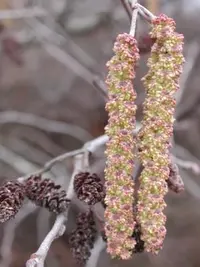
Its female catkins mature into small, woody, cone-like strobili that turn dark brown to black and often remain on the branches through winter, providing seeds for birds and aiding in species identification year-round.

Natural stream stabilizer

The shrub develops dense, fibrous roots along streambanks and pond margins, where it helps reduce erosion and trap sediments, making it a structurally important plant in riparian habitats of eastern North America.

Botan icon

Did you know?

Alnus serrulata is one of the few native shrubs in eastern North American wetlands that can rapidly colonize newly disturbed, seasonally flooded sites, acting as an early successional species that prepares the habitat for later-establishing trees and diverse plant communities.

FAQs about hazel alder

This shrub is generally fast-growing, often adding 30–60 cm of height per year in favorable, moist conditions. Growth slows in dry, compacted, or nutrient-poor soils, and in areas with significant root disturbance or heat stress.

Grow Healthy Plants with Botan Care

Keep your plants happy and healthy with plant identification, disease detection, and easy care guidance.

Botan plant care app — identify plants on mobile

Explore More Plants