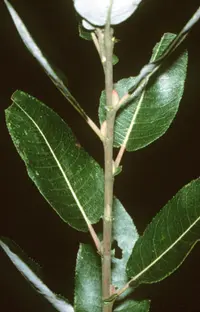
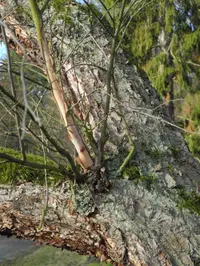
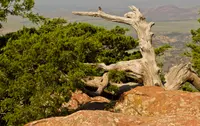
Wind-hardening young trees
Stake only the first 1–2 years and allow moderate wind exposure so the trunk flexes and thickens, then remove stakes to reduce girdling and encourage a stable, self-supporting structure.

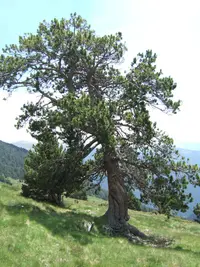
Mountain pine, Pinus uncinata, is a hardy, slow-growing conifer known for its dense, dark green needles and naturally compact, often irregular shape. It typically forms a small tree or large shrub, making it suitable for rock gardens, small landscapes, and exposed sites.
This species occurs naturally in high mountains of southwestern and central Europe, where it withstands cold, wind, and poor, rocky soils. Its toughness and moderate growth rate mean it is generally easy to manage, provided it receives good light and well-drained soil. Gardeners who learn how to care for Mountain Pine often value it as a long-lived structural plant.

Care Difficulty
Moderate Care

Light Preference
Full Sun

Water Requirements
Low Water

Temperature Preference
Cold Hardy

Hardiness Zone
3–8

Soil Texture
Sandy, Loamy, Rocky

Soil pH
Strongly acidic (4.5–5.5), Acidic (5.5–6.5)

Soil Drainage
Well-drained

Fertilization
Minimal (feed rarely)
Scan your plant to receive care tips personalized for your specific plant
Available on iOS and Android
Pinus uncinata prefers bright, cool conditions similar to high mountain slopes.
Pinus uncinata prefers evenly moist but never waterlogged soil, especially while establishing.
This high-altitude conifer is strongly cold-hardy yet benefits from moderate summer temperatures.
This conifer prefers relatively dry, open air and does not need elevated humidity indoors or outdoors.
Pinus uncinata thrives in mineral, sharply drained soil that prevents waterlogging around the roots.
This species can be grown in containers for many years if the pot is prepared to manage weight, drainage, and root depth.
This high-elevation conifer grows slowly and usually needs only light feeding in cultivated landscapes.
Pinus uncinata needs minimal pruning and is usually shaped by its natural growth habit.
This species is rarely kept long term in containers; management focuses on careful transplanting of young trees.
Sexual propagation from seed is the standard method for Pinus uncinata and suits patient growers or nursery production.
This hardy alpine conifer tolerates severe cold and usually needs little special winter care in the landscape.

Plant Health Check
Not sure what's wrong with your plant? Check your plant's health inside the app.
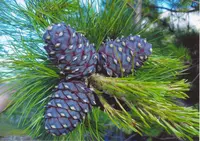
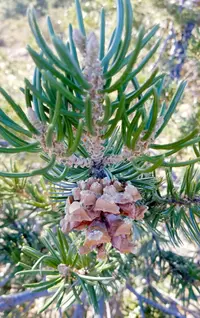
This species gets the epithet uncinata from its cones, whose scales end in distinct hooked tips that help protect the seeds from predators and mechanical damage in harsh mountain weather.
In its native Pyrenees and Alps, this pine often forms low, shrubby, wind-contoured stands near treeline, where its flexible branches and dense crown reduce snow and wind damage compared with taller conifers.
Mountain pine forms natural hybrid populations with closely related species such as Pinus mugo where their ranges overlap, which makes field identification challenging and provides material for studying conifer evolution.

Fossil pollen and macrofossil evidence show that Pinus uncinata survived the last glacial maximum in small southern European refuges, then expanded upslope and northward as the climate warmed, making it an important model for studying post-glacial recolonization of mountain ecosystems.
Growth is slow to moderate. Young plants often add 10–20 cm in height per year, sometimes less in harsh sites. Rate depends on genetics, climate, soil quality, and moisture. Cold, windy, exposed locations further reduce extension growth.
Keep your plants happy and healthy with plant identification, disease detection, and easy care guidance.