mu oil tree Care (Vernicia montana)

mu oil tree

About mu oil tree

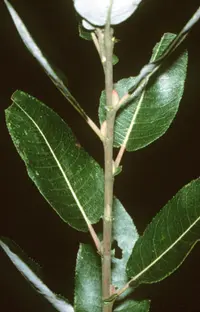
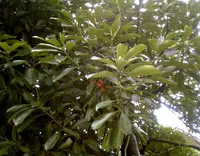
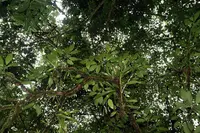
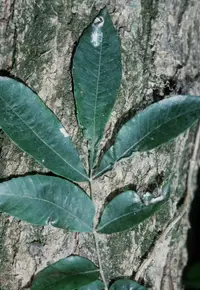
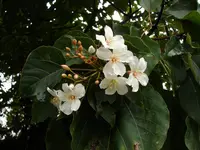
The mu oil tree, Vernicia montana, is a small to medium deciduous tree valued mainly for its oil-rich seeds. It has a straight trunk, broad crown, and large, simple leaves that create a dense, soft shade. In season, it produces white star-shaped flowers followed by hard, rounded fruits.

This species is native to subtropical and tropical regions of Southeast Asia and southern China, where it grows in warm, frost-free climates. It prefers full sun, evenly moist but well-drained soil, and does best in sheltered, non-coastal sites. Because it dislikes cold, wind, and waterlogging, care for mu oil tree is easier in mild climates or protected garden spaces.

Main Plant Requirements

Care Difficulty

Moderate Care

Light Preference

Full Sun

Water Requirements

Moderate Water

Temperature Preference

Warm Climate

Hardiness Zone

9–11

Soil Texture

Sandy, Loamy, Organic-rich

Soil pH

Acidic (5.5–6.5), Slightly acidic (6.5–7.0)

Soil Drainage

Well-drained

Fertilization

Minimal (feed rarely)

Get Personalized Care Plan

Scan your plant to receive care tips personalized for your specific plant

Available on iOS and Android

How to Care for the mu oil tree

This deciduous oilseed tree needs abundant light to flower and fruit well.

  • Provide 6–8 hours of direct sun daily; morning sun with light afternoon shade suits hot summer regions best.
  • It tolerates light partial shade, but mu oil tree grown in less than 4–5 hours of sun often becomes sparse and produces fewer flowers and seeds.
  • In cooler months, full sun all day is ideal; in hotter climates, protect young trees from harsh midafternoon sun to prevent leaf scorch.

This tree prefers evenly moist, well-drained soil rather than constant saturation.

  • Let the top 3–5 cm of soil dry before deep watering, aiming for moisture that reaches the main root zone, not just the surface.
  • During hot growing seasons, monitor Vernicia montana weekly; drooping new leaves and dry, crumbly soil indicate it needs a thorough soak.
  • Avoid soggy conditions; yellowing leaves, soft new growth, and persistent wet soil signal overwatering or poor drainage that can lead to root rot.

This subtropical tree grows best in warm, frost-free conditions.

  • Optimal growth occurs around 68–86°F (20–30°C), with consistent warmth supporting stronger flowering and seed production.
  • The tree is sensitive to frost; damage begins near 32°F (0°C), and prolonged exposure below 28°F (-2°C) can kill young plants.
  • It tolerates short heat waves up to about 95°F (35°C) if soil moisture is adequate, but extended extreme heat can stress foliage and reduce vigor.

This species handles a fairly wide humidity range but grows best with moderately moist air.

  • Aim for 40–60% humidity; short periods down to 30% are usually tolerated without major issues.
  • In very dry air, watch for leaf edge browning, curling, or slow new growth as signs of humidity stress.
  • For young mu oil tree plants, group containers together, place trays with water and pebbles nearby, or lightly mist foliage during very dry spells.

This tree prefers deep, loose, well-drained soil that stays evenly moist but never waterlogged.

  • Use a loamy mix combining roughly 50% garden loam, 30–40% composted organic matter, and 10–20% coarse sand or fine gravel for structure.
  • Aim for slightly acidic to neutral pH, around 6.0–7.0, which supports nutrient availability and root health in Vernicia montana.
  • Ensure rapid drainage by avoiding high-clay subsoils and raised spots where water tends to collect after rain.
  • Improve aeration and drainage in heavy ground by incorporating coarse sand, fine bark, or perlite through the top 20–30 cm before planting.

This species can be grown in containers, especially during its younger stages or in cooler climates.

  • Choose a tall, heavy container to support the developing taproot and prevent the tree from tipping in strong wind.
  • Select thick-walled terracotta or concrete pots if extra evaporation and root-zone cooling are needed in hot sites.
  • Use a potting mix that drains quickly yet has some weight, so the container remains stable as the tree gains height.

Vernicia montana benefits from moderate, well-timed feeding to support wood, leaf, and seed production.

  • Use a balanced slow-release fertilizer (for example 10-10-10) or well-rotted compost at the start of spring growth.
  • Feed outdoor trees every 6–8 weeks through the warm growing season, adjusting for soil fertility and vigor.
  • Apply granular fertilizers at the drip line, lightly incorporate into the topsoil, then water thoroughly to limit root burn.
  • Stop feeding the mu oil tree in late summer so growth hardens before winter dormancy.

Pruning Vernicia montana is mainly used to remove problem wood and maintain a stable framework.

  • Carry out structural pruning in late winter or very early spring, before new growth begins.
  • Remove dead, diseased, storm-damaged, or crossing branches with clean, sharp bypass pruners or a pruning saw.
  • Thin crowded interior branches to improve light penetration and airflow, which supports healthier foliage and flowering.
  • Limit heading cuts to maintain a single strong leader and balanced scaffold branches on young trees.

This species is usually grown in the ground, so care focuses on transplanting young trees at the right stage.

  • Transplant container-grown plants in late winter or early spring, just before active growth starts.
  • Look for roots circling the pot, reduced vigor, or fast drying soil as signs a young tree needs a larger container or planting site.
  • Move up only 1–2 pot sizes or into a well-drained, permanent location, keeping the root flare at soil level.
  • Loosen circling roots gently, water deeply after planting, and shade new transplants for 7–10 days to reduce stress.

Vernicia montana is usually propagated from seed, with cuttings used less often for uniform planting material.

  • Collect mature seeds and sow in late winter to early spring, after a cold stratification period of 4–8 weeks if recommended locally.
  • Use a free-draining, sterile seed mix and maintain 70–80°F with consistent light moisture, not waterlogging.
  • For semi-hardwood cuttings, take disease-free shoots in late spring or early summer and treat bases with a rooting hormone.
  • Place cuttings in a warm, humid environment with bright, indirect light until firm roots form, then harden off before field planting.

This deciduous tree is moderately cold tolerant but benefits from basic winter care in cooler regions.

  • In climates below about 20°F, young trees are more vulnerable to trunk and branch damage.
  • Apply a 5–8 cm mulch layer around, but not touching, the trunk to insulate the root zone.
  • Wrap young trunks with breathable tree wrap or use shelters to reduce freeze-thaw injury and sunscald.
  • Move container-grown plants into a frost-free, unheated but bright space where temperatures stay above freezing.

Care Tips

Trunk wind training

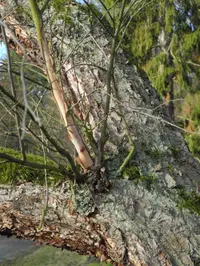
Expose young trees to moderate, steady wind or gently flex the main stem by hand a few times a week during the first 1–2 years to encourage a thicker trunk and stronger wood structure.

Single-leader selection

In the first 2–3 years, choose one strong central stem and remove competing upright shoots in late winter so the tree develops a stable framework that supports its heavy seed clusters.

Branch angle management

Use soft ties or short spreader sticks on young branches to widen very narrow crotch angles to around 45–60° so scaffold limbs are less likely to split under fruit load or storm stress.

Fruit load thinning

If branches carry very dense clusters of developing fruits, remove some by hand so the remaining fruits size up better and the limbs are not overloaded and prone to breakage.

Harvest timing check

Monitor capsules and schedule harvest when shells change from green to a dull brown and begin to dry, collecting promptly to reduce losses from sudden drop, pests, or rotting on wet ground while caring for mu oil tree.

Common Pests and Diseases

Tea mosquito bug

This pest feeds on young shoots, leaves, and developing fruits, causing brown lesions, leaf curling, and fruit distortion. Symptoms include reduced flowering and poor seed set in affected trees.

Solution

Monitor flushing shoots and flower clusters closely and prune out heavily infested tips, destroying the cut material. For how to take care of mu oil tree in orchards, use sticky traps for monitoring, encourage natural predators, and apply a targeted neem-based or other low-toxicity insecticide to young flushes when numbers rise, following local label directions.

Bark borers

These insects tunnel into trunks and branches, leading to sawdust-like frass, oozing sap, branch dieback, and structural weakening. This problem is more frequent in stressed or poorly maintained trees.

Solution

Remove and destroy infested twigs and small branches and keep trees vigorous with proper watering and fertilization to reduce stress. For active galleries on larger limbs, probe out larvae where possible, improve trunk airflow and sun exposure, and consider a systemic insecticide applied by a professional if damage is extensive.

Leaf spot (fungal)

This disease causes small brown to dark purple spots on leaves that may merge into larger patches, sometimes with yellow halos. Symptoms include premature leaf drop and a thinner canopy in humid or rainy conditions.

Solution

Collect and destroy fallen leaves to reduce spores, and avoid overhead watering that keeps foliage wet. Improve spacing and airflow around trees, and if leaf spotting is severe or recurrent, apply a copper-based or other labeled fungicide at the start of wet periods according to local guidelines.

Anthracnose

This disease produces irregular dark, sunken lesions on leaves, petioles, and young shoots, which may lead to blight of new growth and twig dieback. Symptoms include distorted new leaves and a scorched appearance at shoot tips.

Solution

Prune and discard blighted shoots during dry weather, disinfecting tools between cuts, and keep the canopy open to promote fast drying after rain. In areas where anthracnose is persistent, begin preventative fungicide sprays at early leaf flush and repeat as directed during prolonged wet or warm-humid periods.

Sooty mold complex

This disease appears as a black, soot-like coating on leaves and stems that grows on honeydew excreted by sap-sucking insects such as aphids, whiteflies, or scale. Symptoms include reduced photosynthesis, dull foliage, and sticky leaf surfaces.

Solution

First control the honeydew-producing insects with a strong water spray, horticultural soap, or horticultural oil targeting the undersides of leaves and protected crevices. Once insect pressure is reduced, gently wash affected foliage with water to remove the mold layer and improve light penetration, and maintain regular monitoring for recurring sap-sucker infestations.

Interesting Facts

Traditional oil source

This species is cultivated in parts of Southeast Asia and southern China for its seeds, which yield a quick-drying industrial oil historically used in paints, coatings, and as a wood preservative.

Toxic seed chemistry

The seeds contain toxic compounds, including irritant diterpenes, so they are not edible and can cause poisoning if ingested by humans or livestock.

Showy seasonal flowering

It develops conspicuous clusters of white, often pink-tinged flowers on bare or nearly bare branches, with flowering typically occurring before or just as new leaves emerge, which makes the blooms highly visible in the landscape.

Botan icon

Did you know?

This tree has been promoted in parts of Asia as a biofuel crop candidate because its high-oil, non-edible seeds can be used for biodiesel production without directly competing with food crops.

FAQs about mu oil tree

Growth is moderately fast in warm climates. Young plants often add 30–60 cm per year once rooted. A well-cared-for specimen usually looks like a small tree after 4–6 years in the ground.

Grow Healthy Plants with Botan Care

Keep your plants happy and healthy with plant identification, disease detection, and easy care guidance.


Botan plant care app — identify plants on mobile

Explore More Plants