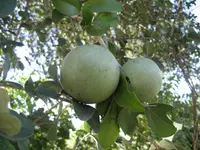
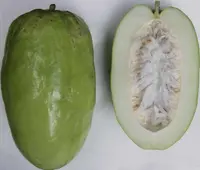
red manjack Care (Cordia collococca)

Also known as: Clammy Cherry
red manjack

About red manjack

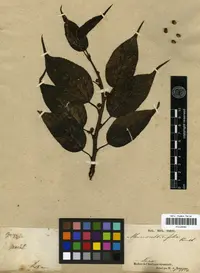
Red manjack, Cordia collococca, is a small evergreen tree or large shrub native to coastal areas of the Caribbean and tropical Americas. It often grows in dry, sandy sites near the shore. The plant carries small white flowers and rounded fruits, with dense branching and foliage that can form a wind-tolerant screen. Its natural adaptation to sun, wind, and salt spray makes it relatively resilient in suitable climates. This background helps explain how to care for red manjack, especially its preference for bright light, well-drained soil, and moderate watering without prolonged waterlogging.

Main Plant Requirements

Care Difficulty

Moderate Care

Light Preference

Full Sun

Water Requirements

Moderate Water

Temperature Preference

Tropical / Frost Sensitive

Hardiness Zone

10–12

Soil Texture

Sandy, Loamy, Organic-rich

Soil pH

Slightly acidic (6.5–7.0), Neutral (7.0)

Soil Drainage

Well-drained

Fertilization

Minimal (feed rarely)

Get Personalized Care Plan

Scan your plant to receive care tips personalized for your specific plant

Available on iOS and Android

How to Care for the red manjack

Cordia collococca grows best in bright, open sites with strong sun exposure.

  • Provide 6–8 hours of direct sun daily; morning and midday sun are ideal, with light afternoon shade in very hot inland areas.
  • Tolerates light partial shade (3–4 hours sun), but flowering and fruiting of red manjack may decline with persistent shade.
  • In summer, protect young plants from reflected heat from walls or paving; in winter, ensure at least a few hours of unshaded sun to maintain compact growth.

This coastal shrub prefers evenly moist but fast-draining soil that never stays saturated for long.

  • Water when the top 3–5 cm of soil feels dry, applying a slow, deep soak rather than light splashes, then let excess drain away fully.
  • During hot, dry periods, expect to water more often; in cooler or rainy seasons, extend intervals and rely on natural rainfall when possible.
  • Signs of overwatering include yellowing leaves and soft stems, while crisp, curling leaves and wilting in moist soil indicate root stress or poor drainage for Cordia collococca.

This tropical to subtropical shrub favors warm, frost-free conditions year-round.

  • Optimal growth occurs around 70–90°F (21–32°C), with steady warmth supporting flowering and fruit set in coastal and lowland sites.
  • The plant is very frost-sensitive; growth slows below 60°F (16°C) and tissue damage often occurs near 32°F (0°C), especially on new shoots.
  • Handles short heat spikes up to 95–100°F (35–38°C) if soil moisture is adequate, but prolonged extreme heat with dry wind can scorch leaves and reduce vigor.

This coastal shrub handles 40–60% humidity but benefits from the higher end in hot, dry sites.

  • Red manjack tolerates short dry spells in the air but sustained very low humidity slows growth and increases leaf edge browning.
  • Humidity stress shows as crisp leaf tips, rolling edges, and premature leaf drop during hot, windy periods.
  • Increase humidity outdoors with wind protection and mulch; in sheltered patios, use grouped plantings and a nearby water tray rather than constant misting.

This species prefers fast-draining, sandy to sandy-loam soil that still holds modest moisture.

  • Use a mix of roughly 50–60% coarse sand, 20–30% loam, and 10–20% compost to mimic Cordia collococca’s native coastal substrates.
  • Ensure very free drainage; raised beds or mounded planting help prevent waterlogging and root decline on heavier sites.
  • Keep pH slightly acidic to neutral, around 6.0–7.5, avoiding highly alkaline or salty fill materials away from seashore zones.
  • On clay-prone ground, improve aeration by incorporating coarse sand and fine gravel through the top 20–30 cm rather than relying only on organic matter.

This shrub can be grown in containers for patios or small gardens if the pot is managed for stability and drainage.

  • Choose a deep, heavy container (such as thick-walled ceramic) to counteract top-heaviness in windy sites.
  • Use a coarse, sandy mix and elevate the pot on feet so water clears the drainage holes quickly after rain or irrigation.
  • Position large containers where they are partly sheltered from prevailing winds to reduce tipping and root-ball rocking.

Cordia collococca (red manjack) benefits from light, balanced feeding in active growth but needs no heavy fertilization.

  • Use a balanced, slow-release fertilizer (around 10-10-10) or a thin layer of compost at the start of spring.
  • Feed container-grown plants every 6–8 weeks in the growing season at half the label strength.
  • Avoid feeding in late fall and winter to prevent soft, frost-tender growth.
  • Always water before and after applying fertilizer to limit root burn and improve nutrient uptake.

Cordia collococca responds well to light structural pruning that maintains a strong, open canopy.

  • Prune in late winter or very early spring, before vigorous new growth begins.
  • Remove dead, diseased, crossing, or storm-damaged branches using clean, sharp bypass pruners or loppers.
  • Thin crowded interior shoots to improve light penetration and air flow through the crown.
  • Shorten overly long shoots to shape the tree, avoiding heavy cuts that remove large limbs in one season.

This species is usually grown in the ground, so focus on careful transplanting rather than frequent repotting.

  • Transplant young plants in late winter to early spring, when temperatures are mild and soil is workable.
  • Look for signs such as roots circling the pot, poor drainage, or slowed growth before shifting to a larger container or planting site.
  • Choose a sunny location with well-drained soil, disturb the rootball as little as possible, and set it at the same depth as before.
  • Water deeply after transplanting and keep soil evenly moist for several weeks to reduce transplant shock and support root establishment.

Cordia collococca is most often propagated from seed, with cuttings used where controlled conditions are available.

  • Collect ripe fruits, clean off pulp, and sow fresh seeds in late spring in a warm, free-draining mix.
  • Maintain 75–85°F and lightly moist, not waterlogged, media to encourage steady germination.
  • For semi-hardwood cuttings, take 10–15 cm pieces in late spring to summer and remove lower leaves.
  • Dip cut ends in rooting hormone, insert into a sterile, well-drained medium, and provide high humidity and bright, indirect light.

Cordia collococca is a tropical to subtropical species and is not tolerant of freezing conditions.

  • In mild climates, use a 5–8 cm mulch layer around the root zone to buffer short cool spells.
  • In regions with frost risk, grow in large containers that can be moved indoors or into a heated greenhouse for winter.
  • Keep overwintered plants in bright light, reduce watering, and avoid feeding until consistent warm weather returns.

Care Tips

Salt-tolerant siting

Use its natural coastal salt tolerance by planting it as a windbreak or front-line shrub where ocean spray or saline irrigation would damage more sensitive species, helping protect less hardy plants behind it.

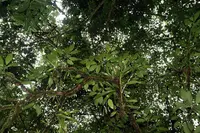
Wind-shaping maintenance

In exposed coastal or windy sites, lightly head back long, whippy shoots 1–2 times per year to keep the canopy dense and reduce breakage during storms.

Fruit drop management

If the plant is near walkways or patios, rake and remove fallen fruits regularly to reduce slipping hazards, discourage rodents, and limit volunteer seedlings.

Wildlife-friendly spacing

Allow enough space around the shrub for birds to access the fruiting branches, as this species is an important wildlife food source and benefits from open structure rather than being crowded by other shrubs.

Coastal hedge training

When growing red manjack as a hedge, start shaping early by selectively tipping new growth at the ends of branches instead of shearing, which preserves natural form while encouraging dense foliage screens.

Common Pests and Diseases

Whitefly

This pest is attracted to the soft new growth and undersides of leaves, where it sucks sap and weakens the plant, often leaving a sticky honeydew residue that encourages sooty mold growth.

Solution

Reduce populations by hosing down foliage with a firm stream of water, then use yellow sticky traps and targeted applications of insecticidal soap or horticultural oil, focusing on the leaf undersides and repeating every 7–10 days until numbers drop.

Scale insects

These insects attach tightly to stems and twigs, feeding on sap and causing yellowing leaves, reduced vigor, and occasional branch dieback if populations become heavy.

Solution

Prune out heavily infested small branches, scrape or wipe individual scales off with a cotton pad dipped in alcohol, and follow with horticultural oil sprays during mild, dry weather to smother remaining crawlers.

Leaf spot

This disease causes tan to dark brown circular or irregular spots on leaves, which can coalesce and lead to premature leaf drop on stressed plants, especially in warm, humid coastal conditions.

Solution

Remove and dispose of affected leaves, avoid overhead watering, improve airflow through light pruning, and, in persistent cases, use a copper-based fungicide labeled for ornamental trees, applied according to local regulations and label directions.

Sooty mold

Symptoms include black, soot-like fungal growth on leaves and stems that develops on the sugary honeydew excreted by sap-feeding insects such as whiteflies and scale, reducing photosynthesis and giving the plant a dirty appearance.

Solution

Control the underlying insect infestation first, then gently wash affected foliage with water and a small amount of mild soap to remove the fungal coating and restore light penetration to the leaves.

Nematode damage

These microscopic roundworms attack the roots in sandy coastal soils, leading to stunting, sparse foliage, and poor drought tolerance due to reduced root efficiency.

Solution

To manage this issue in established plants, maintain consistent but not excessive soil moisture, add organic mulch to support beneficial soil life, and avoid root disturbance; in problem sites, consider planting nematode-resistant companion groundcovers nearby to improve soil health over time and support long-term Cordia collococca care.

Interesting Facts

Coastal thicket specialist

This species naturally occurs in dry coastal scrub and thickets of the Caribbean and parts of tropical America, where it tolerates alkaline, sandy, often nutrient-poor soils exposed to salt-laden winds.

Bird-dispersed berry fruits

The small purple to black drupes are eaten by birds, which then disperse the seeds through their droppings, helping maintain and regenerate coastal shrub communities.

White funnel-shaped flowers

The tree produces clusters of white, funnel-shaped flowers with a five-lobed corolla, which are visited by various insects that act as pollinators in its native range.

Botan icon

Did you know?

In some coastal areas of the Caribbean, this species acts as a natural stabilizer of sandy soils, with its root system helping to reduce erosion along shorelines and in coastal thickets.

FAQs about red manjack

This species is moderately fast-growing in warm, coastal climates, often adding 30–60 cm of height per year once established. Growth slows in poor, dry, or compacted soils and where it experiences wind or salt stress.

Grow Healthy Plants with Botan Care

Keep your plants happy and healthy with plant identification, disease detection, and easy care guidance.

Botan plant care app — identify plants on mobile

Explore More Plants