Ubame Oak Care (Quercus phillyreoides)

Ubame Oak

About Ubame Oak

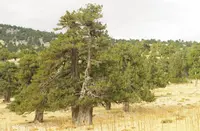
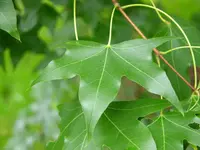
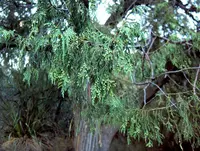
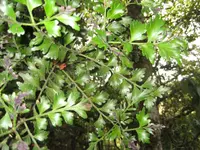
Ubame oak, Quercus phillyreoides, is an evergreen oak tree valued for its dense foliage and naturally compact, rounded habit. Leaves are small, leathery, and dark green, giving it a neat, fine-textured look year-round.

It is native to Japan and parts of East Asia, where it grows on rocky slopes and coastal hillsides, tolerating wind and poor soils. The tree is slow to moderate in growth, responds well to pruning, and is often used for bonsai and detailed shaping.

This species prefers sun to light shade, well-drained soil, and steady moisture once established. These traits make it relatively adaptable, though consistent conditions are important to care for Ubame Oak successfully.

Main Plant Requirements

Care Difficulty

Moderate Care

Light Preference

Full Sun

Water Requirements

Moderate Water

Temperature Preference

Cold Hardy

Hardiness Zone

6–9

Soil Texture

Sandy, Loamy, Clay

Soil pH

Acidic (5.5–6.5), Slightly acidic (6.5–7.0)

Soil Drainage

Well-drained

Fertilization

Minimal (feed rarely)

Get Personalized Care Plan

Scan your plant to receive care tips personalized for your specific plant

Available on iOS and Android

How to Care for the Ubame Oak

This evergreen oak prefers bright outdoor conditions with a balance of sun and light shade.

  • Provide 4–6 hours of direct sun daily, ideally with morning sun and light afternoon shade to protect foliage on young Ubame Oak trees.
  • In hotter regions, use filtered or dappled light during midafternoon to reduce leaf scorch and stress, especially on newly planted specimens.
  • In cooler climates, choose a spot with more direct sun; too much shade leads to sparse branching, slower growth, and thinner canopies over time.

This species prefers evenly moist but not saturated soil, especially during establishment.

  • Water when the top 3–5 cm of soil feels dry, applying a slow, deep soak to encourage deep roots rather than frequent shallow watering.
  • Reduce watering in fall and winter, focusing on dry, windy periods that increase moisture loss rather than following a fixed schedule.
  • Watch for yellowing, soft leaves or persistent wet soil as signs of overwatering; curled or browning leaf edges indicate drought stress and the need for deeper watering.

This oak is moderately hardy and adapts well to temperate climates with mild to warm conditions.

  • Optimal growth occurs around 60–80°F (16–27°C), with active extension of shoots and foliage during warm, bright months.
  • Mature trees tolerate brief drops to about 10–15°F (-12 to -9°C), but young plants benefit from protection from hard freezes and drying winter winds.
  • Heat tolerance is good up to about 90–95°F (32–35°C) if soil moisture is maintained; prolonged extremes above this can cause leaf scorch and slowed growth.

This oak tolerates a wide humidity range and usually does not need special humidity management outdoors.

This species prefers moderately moist, well-drained mineral soil with stable structure.

  • Use a loamy or sandy-loam soil with some organic matter, mimicking the free-draining forest or hillside conditions Quercus phillyreoides experiences in nature.
  • Aim for slightly acidic to neutral pH, around 5.5–7.0, which supports nutrient availability and healthy root activity.
  • Improve drainage and aeration by blending native soil with sharp sand plus fine bark or grit rather than heavy peat-based mixes.
  • Avoid compacted, standing-water-prone, or purely clay soil, which leads to poor oxygen supply to roots and higher root-rot risk.

This species can be grown in containers, especially as a bonsai or small patio specimen, if stability and drainage are carefully managed.

  • Choose a wide, heavy container to counterbalance the woody canopy and reduce tipping risk in strong wind.
  • Use a deep pot relative to trunk thickness to allow a stable, tapering root system rather than shallow, circling roots.
  • Select a rigid material such as ceramic or thick-walled plastic to limit flexing, which can disturb fine feeder roots in windy conditions.

This evergreen oak benefits from light, balanced feeding but often grows acceptably in average garden soil.

  • Apply a balanced slow-release NPK fertilizer at half strength once in early spring for established Ubame Oak in nutrient-poor soils.
  • In richer soils, use compost or well-rotted leaf mold as a thin surface mulch instead of granular products.
  • Avoid summer overfeeding; skip high-nitrogen formulas that push weak, frost-prone growth.
  • Do not fertilize in late fall or winter, when growth is minimal and roots are less active.

Pruning helps maintain structure and clearance in Quercus phillyreoides while limiting unnecessary stress.

  • Carry out structural pruning in late winter to early spring before vigorous growth starts.
  • Remove dead, diseased, crossing, or inward-growing branches using clean, sharp bypass pruners or a pruning saw.
  • Thin crowded interior twigs lightly to improve air flow and light penetration without over-opening the canopy.
  • Limit heading cuts; instead favor selective thinning cuts to preserve the tree’s natural form and strong framework.

This species is usually grown in the ground, so focus on careful site transplanting rather than frequent repotting.

  • Transplant young trees in late fall or very early spring, when soil is workable and temperatures are mild.
  • Look for signs such as circling roots or poor vigor in container-grown plants as indicators that a larger root zone is needed.
  • Dig a wide planting hole, keep the root flare at soil level, and handle the root ball gently to minimize damage.
  • Water deeply after planting, then maintain even moisture for the first growing season to reduce transplant shock.

Propagation of Quercus phillyreoides is possible but slow and usually done by seed rather than vegetative methods.

  • Collect acorns in fall, discarding any that float in water as they are often non-viable.
  • Sow seeds outdoors in fall or cold-stratify for 8–12 weeks at 34–41°F before spring sowing to break dormancy.
  • Use a deep container or nursery bed with well-drained soil, keeping it evenly moist but never waterlogged.
  • Allow seedlings to grow 1–2 years before transplanting, to develop a strong taproot and stable structure.

This oak is relatively cold hardy in much of its range and usually needs only modest winter attention.

  • In colder zones, apply a 5–8 cm layer of mulch around the root zone, keeping it away from the trunk.
  • Avoid late-season nitrogen feeding that encourages tender shoots vulnerable to winter injury.
  • Shelter young or container plants from drying winter winds using a windbreak or by placing them in a protected spot.

Care Tips

Early structure training

While the tree is young, choose 1 strong central leader and remove competing uprights over 2–3 seasons to build a wind-stable structure with well-spaced main branches.

Wind and salt tolerance

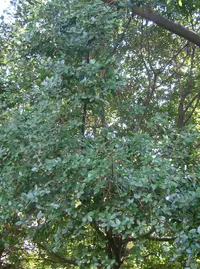
In coastal or windy sites, allow a low, wide canopy to develop instead of lifting branches too high, as this form better resists salt-laden winds and storm damage.

Mulch for root health

Maintain a 5–8 cm deep organic mulch ring out to at least the drip line, keeping it 5–8 cm away from the trunk to moderate soil temperature, conserve moisture, and encourage fine feeder roots.

Container root management

If grown in a container or as bonsai, root-prune every 2–3 years by removing up to 25–30% of the root mass and refreshing the outer soil layer to prevent circling roots and maintain vigor.

Baseline pest monitoring

During the first 3–4 years of growing Ubame Oak, inspect new growth and leaf undersides every 2–3 weeks in spring and early summer so scale insects or leaf miners are caught early and managed before they spread.

Common Pests and Diseases

Oak lace bug

This pest feeds on the underside of leaves, causing pale stippling, yellowing, and a thin, bleached look, especially in hot, dry weather. Symptoms include small dark specks of frass and fine, lace-like adults on the leaf undersides.

Solution

Rinse foliage thoroughly with a strong stream of water to dislodge nymphs and adults, then repeat weekly during peak activity. For heavier outbreaks, use a horticultural oil or insecticidal soap directed to the leaf undersides and reduce plant stress with regular watering and mulching to support recovery when caring for Ubame Oak.

Oak leaf miner

This pest lives inside the leaf tissue, creating pale, winding tunnels or blotches that can make foliage look scorched or patchy. Symptoms include distorted new leaves and premature leaf drop on heavily affected branches.

Solution

Prune and dispose of infested leaves before larvae complete their development to reduce future generations. Encourage natural predators, avoid overfertilizing with high-nitrogen products, and maintain overall tree vigor so new, healthy foliage can replace damaged leaves.

Anthracnose

This disease causes irregular brown or tan blotches along leaf veins and can lead to leaf curling and early leaf drop during cool, wet springs. Symptoms include scattered dead patches on leaves and, in severe cases, twig dieback on young shoots.

Solution

Collect and discard fallen leaves and prune out visibly infected twigs to reduce the source of spores. Improve air circulation around the canopy, avoid overhead irrigation, and, where infections are persistent and severe, consult a certified arborist about timing a protective fungicide spray in early spring.

Powdery mildew

This disease appears as a white or gray powdery film on young leaves and shoots, which can cause distorted growth and reduced vigor in shaded, still areas. Symptoms include dull, matte foliage and, over time, premature leaf yellowing.

Solution

Increase light and air movement around the plant by thinning crowded branches and avoiding dense plantings, and water at soil level rather than over the foliage. Remove and discard heavily infected leaves and, if needed, apply a labeled sulfur or potassium bicarbonate product early in the infection period to limit spread.

Scale insects

These insects attach firmly to twigs and leaves as small, dome-shaped or flattened bumps, feeding on sap and weakening the tree. Symptoms include sticky honeydew, sooty mold growth, and gradual thinning of the canopy on heavily infested plants.

Solution

On light infestations, scrub affected stems gently with a soft brush or cloth and soapy water to remove scales, then rinse well. For larger trees or persistent problems, apply horticultural oil during dormant or crawler stages as recommended on the label, and support tree health with proper watering and mulching to help it tolerate feeding pressure.

Interesting Facts

Evergreen temperate oak

This species is one of the few true evergreen oaks that tolerate cool temperate climates, retaining its small, leathery leaves year-round instead of developing a winter bare-branch phase like most northern oaks.

Specialist charcoal species

In coastal Japan, this oak is traditionally managed in coppice systems to produce very dense, slow-burning binchotan charcoal, which is prized for culinary use due to its high carbon content and clean combustion.

Salt- and wind-tolerant foliage

Its thick, sclerophyllous leaves and sturdy branching give it notable resistance to salt spray and strong coastal winds, so it naturally forms dense, wind-pruned thickets on exposed shorelines and headlands.

Botan icon

Did you know?

This oak often dominates part of the Japanese warm-temperate evergreen broadleaf forest zone, forming mixed stands with species such as Castanopsis and Machilus and creating an important habitat structure for many understory shrubs, epiphytes, and invertebrates.

FAQs about Ubame Oak

This species is evergreen, keeping its small, leathery leaves year-round in suitable climates. Older leaves shed gradually as new ones emerge. In colder areas it may behave semi-evergreen and drop more foliage after hard frost.

Grow Healthy Plants with Botan Care

Keep your plants happy and healthy with plant identification, disease detection, and easy care guidance.

Botan plant care app — identify plants on mobile

Explore More Plants