pleated inkcap Care (Parasola plicatilis)

Also known as: little Japanese umbrella
pleated inkcap

About pleated inkcap

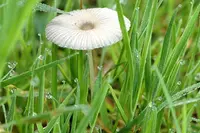
Pleated inkcap, Parasola plicatilis, is a small, short-lived mushroom often appearing in lawns, garden beds, and potted plant soil after rain or heavy watering. It belongs to saprophytic fungi, which break down dead organic matter rather than live plant tissue.

Caps start egg-shaped, then quickly expand into delicate, pleated discs that are gray to tan and usually vanish within a day. Clusters may emerge suddenly, then disappear just as fast.

This fungus is not cultivated as an ornamental species and is considered more of a temporary guest than a houseplant. Understanding how to care for pleated inkcap mainly means managing moisture and decomposing debris, since it thrives in damp, organic-rich substrates.


Main Plant Requirements

Care Difficulty

Hard Care

Light Preference

Partial Shade

Water Requirements

Keep Soil Moist

Temperature Preference

Warm Climate

Hardiness Zone

Unknown

Soil Texture

Loamy, Silty, Organic-rich

Soil pH

Acidic (5.5–6.5), Slightly acidic (6.5–7.0)

Soil Drainage

Moist but well-drained

Fertilization

Minimal (feed rarely)

Get Personalized Care Plan

Scan your plant to receive care tips personalized for your specific plant

Available on iOS and Android

How to Care for the pleated inkcap

This delicate fungus prefers soft, indirect light similar to that of a lightly shaded lawn or garden bed.

  • Aim for dappled or filtered light with 2–4 hours of gentle morning sun; avoid harsh midday sun that dries soil too quickly.
  • Pleated inkcap fruits best in bright shade under grass, low shrubs, or open trees where light is scattered rather than direct.
  • In summer, protect from extended full sun exposure; in cooler, overcast seasons, slightly more open light still works if soil stays moist.

This species relies on consistently moist, but not waterlogged, soil to produce its short-lived fruiting bodies.

  • Allow only the top 1–2 cm of soil or turf to begin drying before rewetting; the underlying layer should stay evenly moist.
  • Good drainage is essential; standing water for more than 24 hours encourages rot and reduces Parasola plicatilis emergence.
  • In hot, dry weather, increase watering frequency and watch for cracked, pale soil, while yellowing, slimy mushroom caps often signal excess moisture.

This fungus fruits best in mild, moist conditions typical of temperate lawns and garden beds.

  • Optimal fruiting occurs around 60–77°F (16–25°C), especially after rain or irrigation followed by calm, humid weather.
  • Growth usually slows below about 50°F (10°C), and hard frost can kill existing fruiting bodies but not the underlying mycelium.
  • Short heat spikes up to around 86°F (30°C) are tolerated if soil stays moist, but sustained heat and drying winds sharply reduce mushroom production.

Humidity is not a significant factor for this short‑lived fungus compared with moisture in its substrate.

This saprophytic fungus thrives in loose, moist, organic‑rich ground rather than typical potted mixes.

  • Use finely textured, humus‑rich soil or lawn thatch with plenty of decomposing plant material to support fruiting.
  • Ensure the substrate stays evenly moist but not waterlogged, as saturated ground quickly reduces oxygen around developing structures.
  • A slightly acidic to neutral pH around 5.5–7.0 is suitable for Parasola plicatilis in lawns or garden beds.
  • Incorporate shredded leaves or well‑rotted compost into the top 2–5 cm to improve aeration and provide continuous food sources.

This species is not well suited to container growing because it appears opportunistically where conditions are right and is difficult to manage as a deliberate crop.

This delicate saprotrophic fungus gains nutrients from decaying organic matter and usually needs no added fertilizer when growing outdoors.

Parasola plicatilis has short-lived fruiting bodies that do not require structured pruning.

  • Remove spent mushrooms by gently twisting or cutting at the base if appearance or spore control is desired.
  • Discard decayed caps and stems into compost or trash to limit mess around nearby plants.
  • Use clean scissors or a small knife only if needed; avoid disturbing the underlying soil or mycelium.

This fungus is not managed like a typical potted plant, so transplanting focuses on its growing substrate rather than individual mushrooms.

  • Treat recurring lawn or bed appearances as a sign of rich, decomposing organic matter rather than a plant needing repotting.
  • If growing in a container, refresh the potting mix every 1–2 years by replacing aged, woody material that feeds the fungus.
  • Transplanting mycelium is unreliable; moving infested soil gently can sometimes reestablish growth in a new area.
  • Minimize disturbance to roots of nearby ornamental plants when adjusting soil, and water lightly afterward to reduce stress.

This species spreads mainly via airborne spores, so intentional propagation is rarely controlled or predictable.

Outdoor populations generally need no special winter care, as the mycelium persists in soil or debris and fruits in suitable weather.

Care Tips

Rotate Substrate Areas

If fruiting in a lawn or container, periodically lift and lightly loosen small patches of the upper 2–3 cm of soil so the mycelium is not compacted by repeated foot traffic or irrigation patterns, which helps maintain even, reliable fruiting spots.

Use Organic Mulch Wisely

Apply a very thin, 0.5–1 cm layer of fine, well-aged wood chip or leaf mold over the mycelium zone to buffer moisture and temperature, but avoid thick mulch that can overheat or smother the delicate fungal network.

Create Moisture Gradients

When watering nearby plants, wet some sections more heavily and others more lightly so the fungus experiences a range of moisture levels, which can trigger more frequent or staggered flushes of caps.

Minimize Disturbance

Mark areas where caps regularly appear and avoid raking, heavy edging, or digging in those zones so the mycelial mat remains continuous and undamaged, supporting consistent fruiting over multiple seasons.

Leave Decomposing Matter

Allow a portion of fallen leaves, fine twigs, and spent plant debris to remain and break down naturally in the fruiting area, since this species depends on a steady supply of decomposing organic material for sustained growth when caring for pleated inkcap.

Common Pests and Diseases

Mushroom midges

These insects lay eggs in the substrate, and their larvae can tunnel through developing fruiting bodies, causing misshapen or collapsing caps.

Solution

Limit excess moisture and decaying organic debris around where the mushrooms appear, and if activity is high, lightly disturb or remove the top layer of substrate to break larval habitat; in enclosed or greenhouse settings, use fine mesh screening and yellow sticky traps to reduce adult numbers.

Fungus gnats

These insects are attracted to constantly damp, organic-rich substrates and their larvae feed on fungi and decaying matter, sometimes damaging very young fruiting bodies.

Solution

Allow the surface of pots or beds to dry slightly between waterings, remove spent fruiting bodies promptly, and use sticky traps near the substrate; in contained environments, a thin top-dressing of coarse sand or small grit can reduce larval access to the moist layer where they feed.

Slugs and snails

This pest feeds directly on soft mushroom tissue, leaving irregular holes, shredded caps, and slime trails around fruiting sites.

Solution

Hand-pick slugs and snails during damp evenings, reduce dense ground cover and debris that provide hiding places, and, if needed outdoors, use physical barriers such as copper tape or sharp grit rings around the area where Parasola plicatilis commonly fruits.

Mite grazing

These insects can colonize very damp, organic surfaces and graze on developing caps, leading to pitted, deformed, or prematurely collapsing mushrooms.

Solution

Reduce persistent surface moisture, remove heavily affected fruiting bodies, and improve air movement around the substrate; in controlled growing spaces, inspect and clean containers or benches regularly to avoid buildup of organic dust where mites can persist.

Bacterial blotch

This disease can occur on delicate mushroom caps in persistently wet conditions, causing small water-soaked spots that turn brown and soft, often leading to rapid decay.

Solution

Avoid overhead watering in areas where the mushrooms appear, remove and discard affected caps promptly, and improve drainage and air circulation so surfaces dry more quickly after rain or irrigation; in covered areas, reduce humidity spikes by ventilating during and after watering as part of general Parasola plicatilis care instructions.

Interesting Facts

Almost One-Day Lifespan

Mature fruiting bodies of this inkcap typically appear, expand, and collapse within about a day under natural conditions, making it a very short-lived mushroom in the landscape.

Moisture-Triggered Fruiting

The mushrooms often appear suddenly after rain or heavy lawn irrigation, fruiting from buried organic debris such as thatch and small wood fragments in turf and garden beds.

Non-Deliquescing Inkcap

Unlike many traditional inkcaps, its caps do not liquefy into black ink; instead they dry and shrivel, which is one of the key traits used to distinguish this species within the inkcap group.

Botan icon

Did you know?

This species frequently forms dense, ephemeral clusters in urban lawns and parks, making it one of the more commonly recorded inkcaps in citizen science projects that track fungi in managed grassy habitats.

FAQs about pleated inkcap

This fungus develops very quickly. Tiny pins can appear within hours after rain, reaching full size in less than 1 day. Caps usually collapse and disappear by the next day, especially in sun or wind. This is normal growth behavior.

Grow Healthy Plants with Botan Care

Keep your plants happy and healthy with plant identification, disease detection, and easy care guidance.

Botan plant care app — identify plants on mobile

Explore More Plants