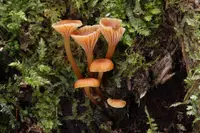
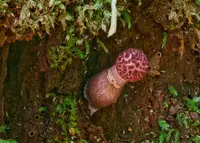
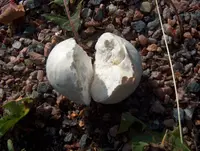
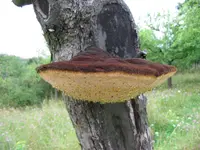
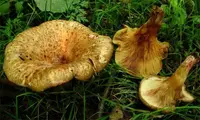
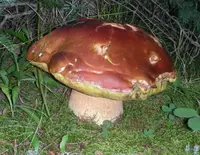
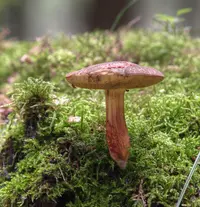
tender nesting polypore Care (Hapalopilus rutilans)

Also known as: Cinnamon Bracket, Purple dye polypore
tender nesting polypore

About tender nesting polypore

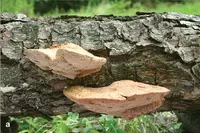
The tender nesting polypore, Hapalopilus rutilans, is a wood-decaying bracket fungus rather than a leafy plant. It forms soft, flat to slightly shelf-like fruiting bodies on dead or dying hardwood, often birch or oak. The surface is usually orange to reddish-brown with a velvety texture when fresh. It occurs mainly in temperate forests across Europe, North America, and parts of Asia, appearing on logs, stumps, or fallen branches. This species depends on consistently moist, shaded woodland conditions and is not easy to cultivate indoors or in gardens. For those studying fungi cultivation, resources on how to care for tender nesting polypore are still limited and experimental.

Main Plant Requirements

Care Difficulty

Hard Care

Light Preference

Shade

Water Requirements

Keep Soil Moist

Temperature Preference

Cool Climate

Hardiness Zone

Unknown

Soil Texture

Organic-rich, Peaty

Soil pH

Strongly acidic (4.5–5.5)

Soil Drainage

Moist but well-drained

Fertilization

Minimal (feed rarely)

Get Personalized Care Plan

Scan your plant to receive care tips personalized for your specific plant

Available on iOS and Android

How to Care for the tender nesting polypore

This bracket fungus prefers shaded woodland conditions with only brief, gentle sun exposure each day.

  • Provide dappled or filtered light, similar to a forest understory, with no more than 1–2 hours of weak morning sun and full protection from intense midday and afternoon sun.
  • Ensure the log or decaying wood sits in partial to full shade; direct sun dries the substrate quickly and can halt fruiting body development in tender nesting polypore.
  • In summer, use leaf litter or understory plants to create deeper shade, while in cooler months some extra ambient light is acceptable if the substrate stays moist.

This wood-decaying fungus relies on consistently moist, but not waterlogged, substrate rather than direct watering of the fruiting bodies.

  • Keep the host log or dead wood evenly moist; allow only the surface 1–2 cm of surrounding soil or mulch to feel slightly dry before gently re-moistening.
  • Use rain or non-chlorinated water to moisten the substrate, avoiding standing water or puddles around the wood, which can cause anaerobic conditions and rot.
  • Reduce watering frequency in cooler seasons while ensuring the wood never fully dries; shriveling or cracking fruiting bodies suggest drought, while sour odors and slimy patches indicate excess moisture.

This species develops best in cool to mild conditions typical of shaded temperate woodlands.

  • Aim for 50–70°F (10–21°C) for reliable growth and fruiting; the mycelium inside the wood remains active in this cool, stable range.
  • Protect from frost below 28°F (-2°C), which can damage young fruiting bodies, and from rapid freeze–thaw cycles that split the host wood.
  • In warmer periods above 77–86°F (25–30°C), maintain extra shade and higher ambient humidity, as hot, dry air slows development and can cause caps to become brittle.

Humidity is not a key factor for this wood-decaying fungus in typical outdoor conditions.

Hapalopilus rutilans fruits naturally on decaying wood, so mimicking a consistently moist, lignin-rich substrate is more important than traditional mineral soil.

  • Use well-rotted hardwood logs, chips, or sawdust as the main substrate, avoiding fresh resinous softwoods that can inhibit fungal growth.
  • Aim for a loose, crumbly structure that holds moisture but still allows air pockets, preventing anaerobic conditions that slow mycelium development.
  • Maintain steady moisture by keeping the substrate damp but not waterlogged; excess free water promotes bacterial growth and rot of the mycelium.
  • If adjusting pH, keep the substrate slightly acidic to neutral (about pH 5.5–7) by avoiding heavy liming or highly alkaline additives.

This species is not well suited to ornamental container culture, as it is primarily managed on outdoor logs or wood-based substrates rather than in pots.

This fungus naturally grows on decaying wood and usually needs no additional fertilizer in cultivation.

Pruning is generally unnecessary for Hapalopilus rutilans, since it behaves as a wood-decaying bracket fungus rather than a garden shrub or houseplant.

Transplanting is rarely applicable, as this wood-decay species establishes directly in or on host logs rather than typical potting media.

  • If cultivation is attempted, introduce colonized substrate or dowels into fresh, suitable hardwood rather than shifting a formed fruiting body.
  • Move only fully colonized material; avoid breaking fungal tissue to limit stress and contamination.
  • Time any relocation for mild, stable weather to reduce drying of the colonized wood.
  • Handle logs gently, keeping moisture levels steady before and after the move.

Propagation of this bracket fungus is specialist work and is not commonly attempted by home growers.

This temperate wood-decay fungus is naturally cold hardy and normally needs no special winter care.

Care Tips

Use hardwood blocks

Prepare clean, fresh hardwood blocks such as oak or beech, soak them thoroughly, then sterilize or pasteurize before inoculation to give the mycelium a strong, uncontaminated food source.

Drill-and-fill inoculation

Drill evenly spaced holes 1–2 cm deep across the log or block surface, fill with spawn, and seal each hole with melted cheese wax to protect the colonization zones from drying out and contamination.

Controlled fruiting chamber

Place fully colonized blocks in a simple fruiting chamber such as a plastic tote with side holes and a loose lid to maintain high humidity and fresh air exchange without exposing the mycelium to drafts.

Monitor surface color

Check the substrate surface regularly for uniform white to pale mycelium and remove or isolate any areas that turn green, black, or smell sour, as these indicate competing molds that can outgrow the fungus.

Staggered harvest timing

Harvest clusters when the pore surface is still tender and evenly colored, and leave smaller primordia in place so you can extend the harvest window and better understand the timing for caring for tender nesting polypore in your specific setup.

Common Pests and Diseases

Mycophagous beetle larvae

These insects feed on the fruiting bodies, tunneling through the soft tissue and accelerating decay. Symptoms include crumbly, tunneled brackets and fine frass-like dust on and below the fungus.

Solution

Physically remove heavily infested brackets and any loose substrate harboring larvae, then reduce excess surface moisture and organic debris that attract beetles. In outdoor or culture settings, use fine mesh barriers around developing fruiting bodies and inspect regularly, discarding colonized pieces before larvae mature.

Fungus gnat larvae

These insects thrive in very damp substrates and can graze on developing mycelium and young fruiting bodies, leading to malformed or aborted brackets. Symptoms include tiny black adult gnats flying around and soft, collapsing tissue at the base of the fungus.

Solution

Allow the substrate surface to dry slightly between waterings, improve airflow, and use yellow sticky traps to reduce adult gnats. For more serious cases in culture, use a biological control such as Bacillus thuringiensis israelensis (BTI) in the moist substrate according to label directions to target larvae without harming the fungus.

Competing mold contamination

This disease occurs when fast-growing molds colonize the same wood or culture substrate, outcompeting H. rutilans mycelium. Symptoms include patches of green, black, or fluffy white growth that spread faster than the target fungus, often causing stalled or deformed fruiting bodies.

Solution

Cut away or discard heavily contaminated sections of wood or culture blocks and avoid handling healthy material after touching moldy areas. Improve hygiene by sterilizing tools, reducing airborne dust, and providing good ventilation; in controlled culture, lower humidity slightly and ensure strong fresh-air exchange to favor the more robust bracket fungus.

Parasitic fungi

This disease involves other wood-decay or parasitic fungi colonizing the same log and invading the tender nesting polypore tissue. Symptoms include discolored patches, tough crusts, or different-textured fruiting bodies emerging from or beside existing brackets.

Solution

Remove and discard sections of wood that show mixed or parasitic fruiting, keeping only clean, vigorous brackets. For intentional growing tender nesting polypore on logs or blocks, start with freshly cut, uncontaminated wood, maintain moderate humidity with strong airflow, and separate colonized pieces so parasitic species do not spread between them.

Interesting Facts

Purple KOH reaction

Its pore surface turns a vivid purple to violet when a drop of potassium hydroxide (KOH) is applied, which mycologists use as a reliable chemical test for identification.

Xylaria wood specialist

This fungus most often fruits on dead hardwood, especially beech and oak, where it helps break down lignin-rich tissues and recycle nutrients in temperate forests.

Polyporic acid toxin

The fruiting body contains polyporic acid, a compound that can damage the kidneys and cause neurological symptoms if ingested, so the species is considered poisonous despite its sometimes attractive color.

Botan icon

Did you know?

This species is strongly associated with beech forests across Europe and parts of Asia, and its presence can serve as an indicator of long-standing, relatively undisturbed broadleaf woodland with abundant deadwood.

FAQs about tender nesting polypore

This bracket fungus is not recommended for consumption. It contains compounds that can cause severe gastrointestinal upset and, in larger quantities, potential liver and kidney damage. Foraging mistakes with similar-looking species further increase the risk.

Grow Healthy Plants with Botan Care

Keep your plants happy and healthy with plant identification, disease detection, and easy care guidance.

Botan plant care app — identify plants on mobile

Explore More Plants