Pinewood Gingertail Care (Xeromphalina campanella)

Pinewood Gingertail

About Pinewood Gingertail

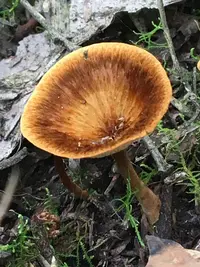
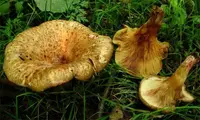
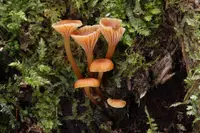
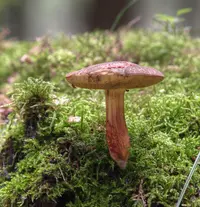
Pinewood gingertail, Xeromphalina campanella, is a small saprophytic mushroom that breaks down dead conifer wood in cool, moist forests. It forms tight clusters of tiny orange to yellow-brown caps on old logs and stumps, often creating a carpet-like display.

This fungus is native to temperate regions of North America and Europe, especially in pine and spruce woodlands. Its preference for decaying wood and stable moisture makes it unsuitable as a typical houseplant but interesting for specialized outdoor woodland or terrarium-style projects.

Understanding how to care for Pinewood Gingertail mainly involves recreating cool, shaded, consistently damp conditions with plenty of well-rotted conifer wood as its substrate.

Main Plant Requirements

Care Difficulty

Hard Care

Light Preference

Shade

Water Requirements

Keep Soil Moist

Temperature Preference

Cool Climate

Hardiness Zone

Unknown

Soil Texture

Loamy, Silty, Organic-rich

Soil pH

Acidic (5.5–6.5)

Soil Drainage

Moist but well-drained

Fertilization

Minimal (feed rarely)

Get Personalized Care Plan

Scan your plant to receive care tips personalized for your specific plant

Available on iOS and Android

How to Care for the Pinewood Gingertail

This small woodland fungus prefers cool, shaded conditions that mimic dense forest floors.

  • Provide dappled or filtered light with no more than 1–2 hours of weak morning sun; direct midday or afternoon sun quickly dries the substrate and damages fruiting bodies.
  • Site logs or wood debris in full to deep shade under trees or shrubs, as Pinewood Gingertail naturally fruits on decaying conifer wood in low-light habitats.
  • In summer, increase shading or move inoculated wood to a north-facing or heavily shaded spot to avoid overheating and excessive drying.

This species depends on consistently moist, not waterlogged, decaying wood to form reliable fruiting clusters.

  • Maintain substrate moisture similar to a wrung-out sponge; surfaces should feel damp but not puddled, and exposed wood should not crack or turn pale and brittle.
  • After dry or windy periods, irrigate surrounding soil or leaf litter instead of directly soaking caps, allowing slow absorption into the wood hosting Xeromphalina campanella.
  • Reduce supplemental moisture in cool, rainy seasons to avoid stagnant, sour-smelling wood, which signals poor aeration and potential rot of the mycelium.

This fungus performs best in cool to mild conditions that resemble shaded forest understories.

  • Optimal fruiting occurs around 50–65°F (10–18°C), with mycelium growth possible from roughly 40–70°F (4–21°C) if moisture remains stable.
  • Tolerates short drops near 32°F (0°C) in dormant wood but sustained frost or ground freeze can slow or halt activity until temperatures rise.
  • Prolonged heat above 75–80°F (24–27°C), especially combined with low humidity, dries the substrate; use deeper shade and mulch to moderate temperature swings.

This wood-inhabiting fungus tolerates a wide humidity range but fruits best in consistently moist air.

  • Aim for 70–90% humidity around fruiting surfaces, similar to a damp forest floor microclimate.
  • Tolerates brief dips to 50–60%, but caps may dry, curl, or crack if exposed to prolonged dry air.
  • Increase humidity for Pinewood Gingertail by misting nearby surfaces, using a humidity tent, or placing trays of wet moss close by.

This species does not grow in soil but in very decayed conifer wood, so the goal is to mimic rotting pine or spruce substrate.

  • Use a substrate made from well-rotted softwood chips, sawdust, and fine bark, with at least 50–70% fully decomposed material.
  • Ensure the mix stays moist yet never waterlogged; excess free water around the wood pieces quickly encourages competing molds.
  • Keep pH slightly acidic to neutral (about 5.0–7.0), which matches typical conifer litter and favors Xeromphalina campanella mycelium.
  • Avoid mineral garden soil, dense peat blocks, or compacted mixes; they restrict air gaps around the wood fragments and slow colonization.

This fungus can be grown in containers only when filled with suitably decayed wood-based substrate rather than soil.

  • Choose a wide, shallow tub so the colonized wood pieces form a broad, well-ventilated fruiting surface.
  • Drill side ventilation holes above the substrate line to reduce stagnant moisture and limit bacterial and mold growth.
  • Use opaque or dark containers to protect the wood and mycelium from excess light that can dry surfaces before fruiting.

Xeromphalina campanella, often called Pinewood Gingertail, typically gains enough nutrients from decaying wood and seldom needs added fertilizer in cultivation.

Xeromphalina campanella does not need structural pruning, but light cleanup keeps cultivated displays tidy and reduces disease risk.

  • Best timing is after fruiting bodies collapse and dry, when disturbance least affects spore release.
  • Remove spent, moldy, or insect-damaged clusters by gently twisting them off the substrate surface.
  • Use clean fingers or a small sterile knife to avoid tearing underlying mycelium, the main fungal body.
  • Minimal removal helps maintain natural colony shape and sustained fruiting over the season.

This fungus is usually grown on a fixed wood-based substrate, so care focuses on renewing or relocating the substrate rather than classic repotting.

  • Transplant or refresh when fruiting declines, wood is heavily decomposed, or contamination outcompetes the colony.
  • Best timing is in cool, stable weather or indoors under steady conditions to limit drying and heat stress.
  • Move colonized substrate gently into a new container or site with similar moisture, shade, and airflow.
  • Handle blocks by the sides, keep mycelium intact, and water lightly afterward to reduce shock and drying.

Propagation of Xeromphalina campanella is specialized and usually handled by experienced growers using sterile techniques.

  • Most cultivation relies on spores or lab-grown mycelium transferred to sterilized grain or sawdust.
  • Late spring to early fall suits outdoor inoculation of suitable conifer wood or wood-rich substrates.
  • Maintain consistently moist, shaded, cool conditions to support mycelial spread before fruiting appears.
  • Limit disturbance of colonized substrates and avoid direct sun, which can dry and weaken young colonies.

Outdoor colonies on natural wood are generally cold hardy in temperate climates and need little targeted winter care.

  • In very cold regions, a light 2–5 cm mulch around buried wood helps buffer freeze–thaw swings.
  • Keep container-grown substrates in a shaded, unheated but frost-sheltered space such as a cold frame.
  • Avoid waterlogging in winter, since saturated, frozen substrates can damage the mycelium.

Care Tips

Sterilize Substrate

Before inoculation, pasteurize or sterilize the wood-based substrate or conifer sawdust at 160–180°F for 1–2 hours to reduce competing fungi and improve colonization success.

Use Bark Chips

Mix fine, well-aged conifer bark chips into the growing tray or log surface to mimic natural pine litter, which supports denser fruiting clusters and more natural cap color.

Stacked Log Culture

Drill and inoculate several small conifer logs, then stack them loosely in a shaded, humid area to increase productive surface area while keeping air gaps that limit rot and anaerobic zones.

Monitor Flush Timing

After full colonization, lightly shock the culture with a 5–10°F temperature drop and increased fresh air exchange to synchronize a flush of fruiting bodies for easier harvest and observation when caring for Pinewood Gingertail.

Targeted Misting Pattern

Misting should be directed onto the surrounding substrate, not directly on the caps, to maintain high surface humidity while avoiding waterlogged, slimy fruiting bodies and reduced spore quality.

Common Pests and Diseases

Fungus gnat larvae

This pest occurs when Xeromphalina campanella is cultivated on very moist, organic substrates. These insect larvae live in the top layer of the substrate and can graze on young fungal tissue and mycelium, slowing or distorting fruiting.

Solution

Reduce excess moisture and allow the surface of the substrate to drain and aerate between heavy waterings, while not letting it fully dry out. Use fine-mesh covers on ventilation openings, apply yellow sticky traps to reduce adult gnats, and, if needed, drench the substrate with a biological control such as Bacillus thuringiensis var. israelensis according to label directions.

Mushroom flies

This pest refers mainly to sciarid and phorid flies that are attracted to decomposing woody substrates and fungal cultures. These insects lay eggs in the growing medium and their larvae can tunnel through mycelium and developing caps, causing deformed or aborted fruiting bodies.

Solution

Improve sanitation around the growing area by promptly removing overmature or decaying fruiting bodies and spilled substrate. Install fine insect netting on vents, use sticky traps to monitor and reduce adults, and if infestation is significant, introduce biological controls such as predatory nematodes specific to fly larvae in mushroom production systems.

Green Trichoderma mold

This disease is caused by Trichoderma species that aggressively colonize moist, nutrient-rich substrates used for growing Xeromphalina campanella. Symptoms include fast‑spreading white mycelium that turns green as spores develop, often outcompeting or killing the desired fungus.

Solution

Discard heavily contaminated substrate to prevent spread and thoroughly clean all tools and containers. For remaining cultures, lower humidity slightly, increase fresh air exchange, avoid overwatering, and prepare new substrates with proper pasteurization or sterilization to limit Trichoderma introduction.

Bacterial blotch

This disease is linked to bacterial growth on very wet cap surfaces in crowded, poorly ventilated conditions. Symptoms include greasy, water-soaked spots or patches on caps that darken and may become slimy as decomposition progresses.

Solution

Reduce surface wetness by avoiding overhead misting directly onto caps and by watering the substrate instead. Increase air circulation, remove and discard affected fruiting bodies, and sanitize surfaces and tools to limit bacterial spread during future flushes.

Interesting Facts

Resin-scented caps

Fresh caps of this species often release a distinct resinous or pine-like odor, which is unusual among small wood-inhabiting mushrooms and can help distinguish it from similar look-alike species in the field.

Preference for conifers

This fungus typically fruits in dense clusters on well-decayed conifer wood, especially rotting bark and buried branches of pines and other conifers, playing an active role in breaking down lignin-rich wood in boreal and temperate forests.

Gilled but wood-loving

Although it forms classic gilled mushrooms, this species behaves ecologically as a wood-decaying saprobe, obtaining nutrients from dead conifer substrates rather than from soil or living plant roots.

Botan icon

Did you know?

Molecular and morphological studies have shown that this species, once confused with several similar tiny orange fungi, represents a well-defined lineage within the Mycenaceae, and its correct identification has helped clarify how small wood-decaying mushrooms diversified on conifer substrates across the Northern Hemisphere.

FAQs about Pinewood Gingertail

This small wood-rotting mushroom is not considered a good edible species. It is very small, has little flesh, and edibility is poorly documented. It should be treated as inedible and left for observation rather than consumption.

Grow Healthy Plants with Botan Care

Keep your plants happy and healthy with plant identification, disease detection, and easy care guidance.

Botan plant care app — identify plants on mobile

Explore More Plants