American Abrupt-Bulbed Lepidella Care (Amanita abrupta)

American Abrupt-Bulbed Lepidella

About American Abrupt-Bulbed Lepidella

American abrupt-bulbed lepidella (Amanita abrupta) is a gilled mushroom, not a typical houseplant, and it forms symbiotic relationships with tree roots in forests. It is most often found in eastern North America, especially in mixed hardwood and conifer woodlands.

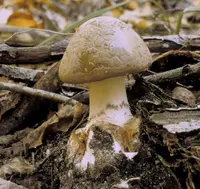
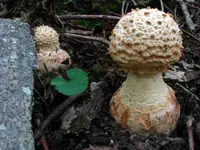
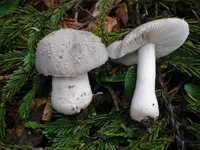
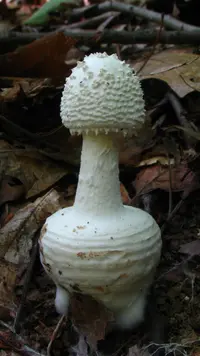
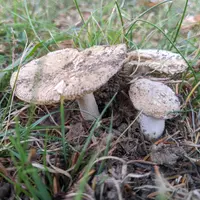
The fruiting bodies are white to pale, with a distinctly abrupt bulb at the base of the stem and a cap that may show small warty patches. It emerges from soil or leaf litter rather than forming dense clusters.

This species is not suited to casual cultivation, since it depends on specific tree partners and soil fungi. Any attempt to care for American Abrupt-Bulbed Lepidella must acknowledge that it is best observed in its natural habitat rather than grown indoors or in pots.

Main Plant Requirements

Care Difficulty

Hard Care

Light Preference

Partial Shade

Water Requirements

Regular Water

Temperature Preference

Cool Climate

Hardiness Zone

Unknown

Soil Texture

Loamy, Silty, Organic-rich

Soil pH

Strongly acidic (4.5–5.5), Acidic (5.5–6.5)

Soil Drainage

Moist but well-drained

Fertilization

Minimal (feed rarely)

Get Personalized Care Plan

Scan your plant to receive care tips personalized for your specific plant

Available on iOS and Android

How to Care for the American Abrupt-Bulbed Lepidella

This ectomycorrhizal fungus prefers woodland light similar to that found under mixed hardwood or pine canopies.

  • Provide bright dappled shade or filtered light, with 1–3 hours of gentle morning sun and no harsh afternoon sun on fruiting areas.
  • Site American Abrupt-Bulbed Lepidella where overhead tree cover blocks at least 50–70% of direct light, mimicking forest-floor conditions.
  • Avoid full, unfiltered sun that dries leaf litter; excessive sun exposure reduces fruiting, while very dense shade can limit mushroom production.

This woodland fungus depends on consistently moist, not saturated, soil around its tree partners.

  • Aim for evenly moist mineral soil under a loose layer of leaf litter; the top 2–3 cm should feel slightly damp but not muddy when checked by hand.
  • Increase moisture support during hot, dry spells by maintaining leaf litter or mulch, but avoid pooling water or compacted, waterlogged ground, which can damage fungal tissue.
  • Reduce supplemental watering in cool, rainy seasons; signs of excess moisture include standing water and sour odors, while very crumbly, dusty soil indicates underwatering stress for Amanita abrupta habitat.

This species fruits best in mild to warm conditions typical of late summer to autumn in temperate forests.

  • Optimal fruiting usually occurs around 65–80°F (18–27°C), with soil staying cool and slightly moist under leaf litter or pine needles.
  • The mycelium in soil tolerates down to about 30–32°F (-1–0°C), but visible fruiting bodies are easily damaged by hard frost and repeated freeze–thaw cycles.
  • Prolonged heat above 86°F (30°C), especially with dry soil, suppresses fruiting; shade, organic mulch, and stable woodland cover help buffer temperature swings through the season.

This fungus is not suited to typical home humidity control and requires naturally moist, forest-like conditions rather than standard indoor air.

Amanita abrupta grows in natural woodland soils and cannot be reliably cultivated in prepared mixes.

  • It associates with tree roots in a mycorrhizal relationship, so it depends on undisturbed, living forest soil rather than isolated potting media.
  • Native sites usually offer well-drained, sandy to loamy mineral soil with a surface layer of decomposing leaf litter, twigs, and other organic debris.
  • Soils are typically mildly acidic, often around pH 5.0–6.0, created by ongoing breakdown of leaves and conifer or hardwood litter.
  • Avoid compacted, waterlogged, or heavily fertilized soils, which disrupt the fungal partnership and prevent stable establishment in natural habitats.

This species is not suitable for container growing, as it depends on complex, living soil and tree-root partnerships that pots cannot realistically provide.

This species is a wild mycorrhizal fungus that should not be fertilized directly when caring for American Abrupt-Bulbed Lepidella.

Amanita abrupta is not pruned, since it is a mushroom rather than a garden plant.

This fungus is not suited to routine repotting or transplanting because it depends on a living tree root system in soil.

  • Avoid digging up fruiting bodies or surrounding soil, since this disturbs the underground mycelium and host tree roots.
  • If growing trees in containers, simply maintain healthy, aerated, low-salt potting soil rather than trying to move the fungus itself.
  • Transplant young host trees only during cool, moist seasons, keeping the root ball intact to preserve any mycorrhizal associations.
  • Reduce stress on the system by watering the tree well after transplanting and avoiding high-salt fertilizers that can harm fungal tissues.

Amanita abrupta is not propagated in home or garden settings because it forms complex mycorrhizal partnerships with trees.

No special winter care is practical or necessary, as this native mycorrhizal fungus persists underground and fruits seasonally.

Care Tips

Spore-safe handling

Use disposable nitrile gloves and a dedicated brush when collecting or examining fruiting bodies to avoid spreading spores to unintended areas and to reduce accidental contact with toxic tissues.

Targeted site selection

Place colonized substrate only in undisturbed, low-traffic woodland edges with compatible host trees (such as oaks or pines) so the mycorrhizal association can establish without soil compaction or frequent disturbance.

Minimal soil disturbance

After introducing mycelium to the root zone, avoid digging, raking, or aerating that specific area so the fine mycelial network remains intact and can form stable mycorrhiza with host roots.

Discreet marking system

Mark inoculated spots with a small natural-looking stone or low stake outside the root flare so you remember the location without shading or damaging the host tree or fungal network.

Controlled habitat moisture

In dry spells, water only the surrounding leaf litter and topsoil with a fine rose watering can in the early morning, keeping flow gentle so the surface layer is hydrated without washing away duff or exposing the mycelium, which supports growing American Abrupt-Bulbed Lepidella in a more stable microhabitat.

Common Pests and Diseases

Mycophagous springtails

These insects feed on fungal tissue and can graze on caps and gills, leaving small pits or eroded areas on young fruiting bodies. Symptoms include slowed expansion, scarred surfaces, and occasionally deformed caps in dense, moist substrates.

Solution

Reduce excessive surface moisture and improve air movement around the fruiting zone so the substrate is moist but not waterlogged. If collection or culture is important, gently remove heavily infested fruiting bodies and adjust humidity and ventilation to discourage future buildup of springtail populations.

Sciarid fly larvae

This pest lives in organic, damp substrates and larvae tunnel through developing fruiting bodies, causing internal cavities, softening, and premature collapse. Symptoms include small entry holes at the base and a water-soaked, fragile texture of stipes and caps.

Solution

Limit standing moisture and avoid overly compact, continuously wet substrate where the fungus fruits. Remove and discard badly damaged mushrooms and, if repeatedly affected in a controlled setting, use fine mesh barriers and improved sanitation around the fruiting area to reduce adult fly access to the substrate.

Slug and snail grazing

These mollusks consume soft fungal tissue, often leaving irregular chunks missing from caps and stems and silvery slime trails on or near fruiting bodies. Symptoms include rapid overnight damage, especially on young, tender mushrooms in humid forest or garden edges.

Solution

Hand-remove slugs and snails during evening or early morning and use simple physical barriers such as copper tape, coarse grit, or collars around key fruiting spots. Reducing thick ground litter right around the fruiting zone lowers hiding places and can noticeably reduce grazing pressure when growing Amanita abrupta in monitored outdoor beds.

Interesting Facts

Distinct abrupt bulb

This species is named for its sharply defined basal bulb, where the stem ends suddenly in a swollen, collar-like bulb that looks almost cut off rather than gradually thickened.

Powdery cap warts

The cap surface is covered with dense, fine, powdery white warts that often give it a frosted appearance, unlike the larger, patchy warts seen on many other amanitas.

Southeastern US specialist

It is primarily found in the southeastern United States, usually in mixed hardwood or pine-oak forests, fruiting on the ground in summer to late fall in association with tree roots as an ectomycorrhizal partner.

Botan icon

Did you know?

Amanita abrupta has been implicated in both livestock and pet poisonings, with experimental studies showing that its toxins can cause severe damage to the central nervous system and kidneys in mammals, so for safety it should never be collected for consumption or handled carelessly.

FAQs about American Abrupt-Bulbed Lepidella

Yes. This species is considered toxic and should never be eaten. Ingestion can cause serious gastrointestinal and neurological symptoms. Keep children and pets away, avoid handling damaged fruiting bodies, and consult poison control or a physician if exposure occurs.

Grow Healthy Plants with Botan Care

Keep your plants happy and healthy with plant identification, disease detection, and easy care guidance.

Botan plant care app — identify plants on mobile

Explore More Plants