Tiger Sawgill Care (Lentinus tigrinus)

Tiger Sawgill

About Tiger Sawgill

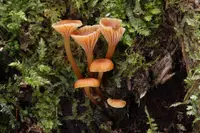
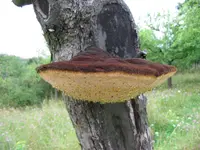
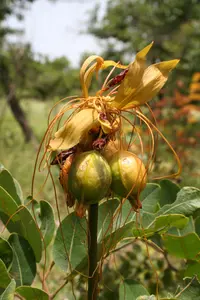
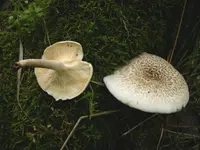
Tiger sawgill (Lentinus tigrinus) is a wood-decaying mushroom, not a leafy houseplant. It forms sturdy, pale caps with dark, tiger-like scales and distinct saw-toothed gills. Fruiting bodies usually grow in clusters on dead or weakened hardwood, especially willows and poplars.

In nature, it occurs across temperate regions of Europe, Asia, and North America, often appearing from late spring to autumn. It is considered a saprobe, meaning it feeds on dead wood and helps decompose it.

For those who want to care for Tiger Sawgill in cultivation, it generally prefers shaded, humid conditions and a nutrient-rich wood substrate rather than regular potting soil.

Main Plant Requirements

Care Difficulty

Moderate Care

Light Preference

Partial Shade

Water Requirements

Keep Soil Moist

Temperature Preference

Cool Climate

Hardiness Zone

Unknown

Soil Texture

Loamy, Organic-rich

Soil pH

Acidic (5.5–6.5), Slightly acidic (6.5–7.0)

Soil Drainage

Moist but well-drained

Fertilization

Minimal (feed rarely)

Get Personalized Care Plan

Scan your plant to receive care tips personalized for your specific plant

Available on iOS and Android

How to Care for the Tiger Sawgill

This wood-decaying fungus prefers bright, indirect light similar to a lightly shaded forest edge.

  • Provide dappled or filtered light for 2–4 hours of gentle morning sun, avoiding harsh midday and afternoon sun that can overheat the substrate and dry it too fast.
  • Site Tiger Sawgill in partial shade under shrubs, trees, or shade cloth, where it receives broken light rather than full, open exposure.
  • In summer, protect from prolonged full sun to prevent substrate desiccation; in cooler seasons, slightly brighter conditions support more consistent fruiting.

Moist, but not waterlogged, conditions are essential for reliable fruiting of this fungus.

  • Keep the woody substrate or mulch evenly moist; surface should feel damp to the touch but not soggy or standing in water.
  • Allow the top 1–2 cm of substrate to start drying before re-wetting; heavy, sour smell, moldy patches, or slimy texture indicate overwatering and poor aeration.
  • In hot or windy periods, check moisture daily; shriveling or cracked caps suggest dryness, while water pooling around logs or beds signals the need to improve drainage.

This species thrives in cool to mild conditions typical of temperate forests.

  • Aim for 55–75°F (13–24°C) for active growth and fruiting; consistent temperatures in this range support steady development of mycelium and mushrooms.
  • Short exposures down to about 40°F (4°C) are usually tolerated, but hard frost below 32°F (0°C) can damage fruiting bodies, though mycelium in wood often survives.
  • In warm spells above 80°F (27°C), provide shade and extra moisture; prolonged heat above 86°F (30°C) can slow or halt fruiting and dry the substrate.

This wood-decaying fungus prefers moist air but tolerates brief drier periods outdoors.

  • Aim for 60–80% humidity around fruiting logs or substrates for best cap development.
  • Dry air below ~50% can cause smaller, cracked caps and rapid drying of fruiting bodies.
  • Increase local humidity by misting nearby surfaces, using a humidity tent, or placing substrates in a shaded, sheltered spot when caring for Tiger Sawgill.

This species does not use soil in the usual sense but instead colonizes woody or highly lignified substrates.

  • Provide a substrate based on hardwood sawdust, chips, or logs, with 20–40% wheat bran or similar supplement to increase nutrients and structure.
  • Ensure the substrate drains freely yet stays evenly moist; avoid waterlogged conditions that promote bacterial rot and anaerobic pockets.
  • Keep substrate pH slightly acidic to neutral, around 5.5–7.0, by using untreated hardwood and avoiding lime-rich additives.
  • Improve aeration by mixing in coarse wood chips or straw so the mycelium of Lentinus tigrinus can access enough oxygen throughout the block.

This fungus can be grown in containers or bags that hold colonized substrate rather than soil-based potting mixes.

  • Use rigid plastic tubs or buckets with side air holes so the substrate keeps shape while still allowing gas exchange.
  • Select a container depth that matches log or block thickness, leaving 3–5 cm headspace to prevent caps from deforming against the lid.
  • Position containers in a stable, shaded location where humidity can be controlled without tipping or compacting the substrate.

This wood-decaying fungus gains most nutrients from its substrate, so Tiger Sawgill needs only minimal supplemental feeding in cultivation.

  • Use well-rotted compost or a low-dose balanced NPK solution (around 10-10-10) if growth appears weak in nutrient-poor substrates.
  • Apply a very dilute liquid feed (25–50% strength) no more than every 4–6 weeks during active growth.
  • Avoid feeding in winter or when the mycelium is resting, as excess nutrients can encourage contamination by molds and bacteria.
  • Never apply fertilizer directly onto fruiting bodies; target the growing substrate or colonized wood instead.

Lentinus tigrinus does not require structural pruning, but timely removal of spent material supports hygiene and new fruiting.

  • Trim away old, decayed, or insect-damaged fruiting bodies with clean scissors or a sharp knife at the base.
  • Remove crowded or overlapping mushrooms in very dense clusters to improve airflow and reduce rot.
  • Disinfect cutting tools with alcohol before and after use to limit spread of fungal competitors or bacteria.
  • Collect and discard pruned material away from the growing site to reduce pests and unwanted spores.

This fungus is usually managed by renewing or moving its substrate rather than traditional repotting.

  • Transplant or refresh when fruiting declines, substrate collapses, or contamination and off-odors appear.
  • Choose mild weather in spring or early fall so the mycelium experiences less stress and recovers faster.
  • Shift colonized logs or blocks into a new container or shaded bed, disturbing the white mycelial network as little as possible.
  • Keep the new site evenly moist and shaded for 1–2 weeks after moving to allow the organism to reestablish.

Cultivating Lentinus tigrinus relies mainly on mycelium-based methods rather than conventional plant-style propagation.

  • Use spawn (grain or sawdust colonized by mycelium) to inoculate fresh hardwood logs, chips, or sterilized sawdust in spring or early summer.
  • Maintain high humidity, gentle airflow, and stable temperatures appropriate for the strain to encourage rapid colonization.
  • Drill holes or open small pockets in the new substrate, insert spawn, then seal with wax or cover with moist material.
  • Keep inoculated substrates shaded and evenly moist; fruiting bodies typically appear only after full colonization.

In many temperate regions, this wood-rotting fungus is fairly cold tolerant and usually needs little targeted winter care.

  • If grown on logs outdoors in very cold climates, apply a 5–8 cm mulch of leaves or straw around the base to buffer temperature swings.
  • For container-based culture, move substrates into an unheated garage or shed to avoid repeated freeze–thaw cycles.
  • Reduce watering in winter, keeping the substrate just barely moist so the mycelium does not dry out.

Care Tips

Use hardwood blocks

Colonize small, fully sterilized hardwood blocks or dowels first, then transfer these to larger pasteurized substrates to reduce contamination pressure when growing Tiger Sawgill.

Control fresh air

Provide brief but regular fresh-air exchange 3–6 times per day during the fruiting phase to prevent carbon dioxide buildup that causes long stems and small caps.

Surface sanitation

Before placing colonized substrate in a fruiting chamber, wipe interior surfaces with 70% isopropyl alcohol and allow them to dry to lower mold and bacterial spore load.

Staggered flush management

After each harvest flush, trim leftover stem bases and gently scrape off heavily bruised or mold-suspect tissue at the substrate surface, then mist lightly to encourage a clean next flush.

Targeted slug barriers

If fruiting outdoors, place the block on a fine mesh stand and surround the base with a 3–5 cm band of diatomaceous earth or copper tape to limit slug and snail damage on young caps.

Common Pests and Diseases

Mucor contamination

This disease appears as fast-growing, fluffy gray to white mold that quickly overgrows the developing fruiting bodies and substrate. Symptoms include softening and collapse of young mushrooms and a dusty spore layer on surfaces.

Solution

Remove and discard heavily colonized substrate and any affected fruiting bodies, then thoroughly clean the growing containers and surrounding area with a mild bleach solution (1:10) and allow to dry. Improve air exchange, reduce excess surface moisture, and heat-treat or pressure-sterilize fresh substrate before inoculation to prevent recurrence when growing Tiger Sawgill indoors or in controlled cultivation.

Trichoderma green mold

This disease shows up as bright to dark green patches on the substrate or casing that may start as whitish, dense mycelium before sporulating. Symptoms include stunted or aborted mushrooms and a strong earthy or musty odor.

Solution

Carefully cut out and discard contaminated substrate zones along with any nearby fruiting bodies, avoiding disturbance that spreads spores. For ongoing culture work, improve substrate sterilization or pasteurization, avoid high nitrogen levels, lower humidity slightly around the substrate surface, and maintain strict tool and surface hygiene to protect future Lentinus tigrinus care.

Bacterial blotch

This disease causes greasy-looking, yellow to brown spots on mushroom caps, often starting where water droplets linger. Symptoms include soft, slimy lesions and reduced shelf life of harvested mushrooms.

Solution

Remove and discard affected fruiting bodies and avoid overhead misting that leaves standing water on caps. Use fine, indirect humidification, increase fresh air exchange to dry surfaces quickly, and between cycles disinfect trays, tools, and walls with a suitable sanitizing solution to reduce bacterial load.

Sciarid fungus gnats

These insects are small dark flies whose larvae feed on fungal mycelium and young pins within the substrate. Symptoms include tunnels in the substrate, aborted or deformed fruiting bodies, and flying adults around the growing area.

Solution

Use fine mesh screens and sticky traps to reduce adult populations, and promptly remove crop waste that attracts them. In enclosed setups, apply a biological larvicide containing Bacillus thuringiensis israelensis (Bti) to the substrate surface as directed, and maintain clean, dry floors under racks to limit breeding sites.

Mite infestations

This pest problem involves tiny mites that feed on mycelium and developing mushrooms, sometimes visible as moving specks on substrate or gills. Symptoms include pitted or scarred caps, slow colonization, and reduced yields.

Solution

Discard heavily infested blocks or trays and vacuum or wipe down nearby surfaces to remove migrating mites. Improve hygiene by storing substrate ingredients off the floor, heat-treating or freezing dry materials before use, and, in controlled facilities, consider introducing predatory mites compatible with mushroom production to keep populations low.

Interesting Facts

Tolerant of flowing water

This species is unusual among wood-rotting fungi because it can fruit on submerged or partially submerged wood in streams and rivers, tolerating mechanical disturbance from moving water.

Combines gills and pores

Mature fruiting bodies often show a transitional hymenophore, where true gills become split and somewhat maze-like, giving a mixed appearance between gills and pores that helps distinguish it from similar saprotrophic mushrooms.

Characteristic tiger pattern

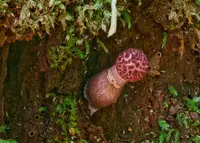
The cap surface typically shows a pale background overlaid with darker, irregular scales or fibrils, creating a tiger-like pattern that inspired both its common name and species epithet tigrinus, meaning tiger-like.

Botan icon

Did you know?

Molecular studies have shown that this species, long placed in Lentinus, belongs in a different evolutionary lineage than classic shiitake relatives, and many mycologists now treat it under the segregate genus Neolentinus, illustrating how DNA data can overturn traditional morphology-based classification.

FAQs about Tiger Sawgill

This species is considered inedible or at best of very poor culinary value due to its tough, leathery texture and lack of flavor. It should not be collected as a food mushroom or relied on for nutrition.

Grow Healthy Plants with Botan Care

Keep your plants happy and healthy with plant identification, disease detection, and easy care guidance.


Botan plant care app — identify plants on mobile

Explore More Plants