Red-mouth Bolete Care (Boletus subvelutipes)

Also known as: Red-mouthed Bolete
Red-mouth Bolete

About Red-mouth Bolete

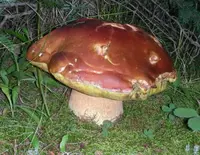
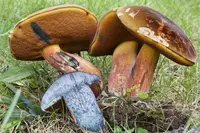
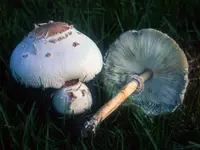
Red-mouth bolete, Boletus subvelutipes, is a fleshy wild mushroom rather than a typical garden plant. It forms stout stems with thick, smooth caps and vivid red pores underneath. The pore surface often bruises dark blue when handled, a useful identification feature.

This species usually grows on the ground in mixed hardwood forests, especially with oaks, in eastern North America and parts of East Asia. It is not commonly cultivated, so how to care for Red-mouth Bolete is mostly relevant for those studying or managing natural woodland habitats.

It prefers undisturbed, moist, well-drained forest soils and forms mycorrhizae, a nutrient-exchange partnership with tree roots, which makes deliberate cultivation difficult for most home growers.

Main Plant Requirements

Care Difficulty

Hard Care

Light Preference

Partial Shade

Water Requirements

Keep Soil Moist

Temperature Preference

Cool Climate

Hardiness Zone

Unknown

Soil Texture

Loamy, Silty, Organic-rich

Soil pH

Strongly acidic (4.5–5.5), Acidic (5.5–6.5)

Soil Drainage

Moist but well-drained

Fertilization

Minimal (feed rarely)

Get Personalized Care Plan

Scan your plant to receive care tips personalized for your specific plant

Available on iOS and Android

How to Care for the Red-mouth Bolete

This ectomycorrhizal fungus prefers woodland light conditions rather than open sun.

  • Provide dappled or filtered light under deciduous trees, mimicking mixed forest edges rather than full, unobstructed sun.
  • Allow 2–4 hours of gentle morning sun with bright shade the rest of the day; avoid strong afternoon sun that dries leaf litter quickly.
  • In summer, protect Red-mouth Bolete from exposed sites where caps scorch or substrate overheats; slight seasonal shading increase helps maintain moisture.

This woodland fungus depends on consistently moist, not waterlogged, soil and leaf litter.

  • Maintain evenly moist conditions in the top 3–5 cm of soil and litter; allow only the surface to begin drying before the next soaking rain or irrigation.
  • Use loose, well-drained soil rich in organic matter so water moves through easily, avoiding standing water that promotes rot around tree roots.
  • In dry spells, watch for shrinking, cracking caps or brittle litter as signs of underwatering; persistent soggy, sour-smelling soil indicates excess moisture for Boletus subvelutipes.

This species favors temperate woodland temperatures with moderate seasonal shifts.

  • Support fruiting in cool to mild conditions around 55–72°F (13–22°C), which suit both the fungus and its tree partners.
  • Expect growth to slow below about 45°F (7°C); prolonged hard frosts below 28°F (-2°C) can damage fruiting bodies but usually spare underground mycelium.
  • Shield sites from extreme heat above 85°F (29°C) by using canopy shade and thick leaf litter, which buffer soil temperatures through summer.

Humidity level is not a meaningful care factor for Red-mouth Bolete, which grows outdoors in natural forest conditions.

Boletus subvelutipes relies on specific forest soil conditions rather than standard garden-bed preparation.

  • Fruiting bodies typically appear in humus-rich, well-structured woodland soil with abundant leaf litter and decomposing organic matter.
  • Soil must drain freely yet retain consistent moisture; standing water or compacted clay suppresses fungal development.
  • A slightly acidic profile around pH 5.0–6.0 is typical of its native mixed hardwood habitats.
  • Avoid adding high-salt fertilizers or alkaline amendments, which can disrupt the tree–fungus association this species depends on.

This species is not suitable for container growing because it depends on complex mycorrhizal relationships with tree roots in undisturbed soil.

This ectomycorrhizal fungus relies mainly on its tree partners for nutrition, so Red-mouth Bolete grown in natural soil usually needs no direct fertilization.

Pruning is not applicable to Boletus subvelutipes, as it is a wild ectomycorrhizal fungus rather than a conventional garden plant.

Boletus subvelutipes is rarely managed in containers; focus instead on creating and maintaining a suitable outdoor habitat with its host trees.

  • Transplant only as part of moving colonized soil near compatible tree roots, since the fungus depends on ectomycorrhizal associations.
  • Work during mild, moist conditions in spring or fall to reduce stress on both tree roots and fungal mycelium.
  • Move soil gently with minimal disturbance, keeping root systems and attached soil clumps as intact as possible.
  • Water lightly after transplanting to settle soil, then maintain natural leaf litter to support stable moisture and microbial life.

Propagation of Boletus subvelutipes is specialized and typically left to natural spore dispersal and mycelial spread in suitable forests.

This species is naturally cold hardy in its native range and normally requires no special winter care in the landscape.

Care Tips

Host tree selection

Establish the fungus in mixed hardwood stands, focusing on oaks and other ectomycorrhizal hosts, and avoid planting or managing it under conifers or in highly disturbed turf areas.

Low-disturbance groundcover

Maintain a light, natural leaf litter layer over the mycelium zone instead of raking bare, as this stabilizes moisture, buffers temperature swings, and protects the fungal network from mechanical damage.

Soil compaction control

Limit foot traffic, machinery, and heavy equipment over the intended fruiting area since compaction reduces air-filled pore space and can sharply reduce fruiting body production.

Targeted irrigation zone

When supplemental watering is needed, irrigate widely around the drip line of the host tree rather than just near visible mushrooms to encourage deep, even moisture where the mycorrhizae actually occur.

Fruiting body handling

Harvest by cutting stem bases with a clean knife and leaving fine mycelial threads undisturbed in the soil, and remove old, rotting caps from managed areas to reduce insect buildup while still allowing some to sporulate when growing Red-mouth Bolete.

Common Pests and Diseases

Mycophagous springtails

These insects feed on fungal tissue, sometimes tunneling into caps and stems and increasing decay, especially in very moist conditions. This pest is common in natural mushroom patches and in any attempt at growing Red-mouth Bolete under controlled conditions.

Solution

Reduce excess surface moisture by improving drainage and ventilation around the fruiting area, and avoid standing water near the mycelium zone. Remove and discard heavily damaged mushrooms, and if needed use sticky traps and a fine-mesh barrier over fruiting sites to limit adult movement without disturbing the forest floor microhabitat.

Fungus gnat larvae

This pest lives in soil and decaying organic matter and can burrow into developing fruiting bodies, causing soft spots, internal tunnels, and premature collapse. Symptoms include small entry holes, spongy tissue, and accelerated rotting of caps and stems.

Solution

Remove and discard infested mushrooms promptly to interrupt the life cycle, and avoid overwatering or creating constantly soggy leaf litter around host trees. Use fine mesh or row-cover style fabric over small collection or research plots, and deploy yellow sticky traps nearby to reduce adult populations without applying chemicals directly to the fungi.

Parasitic Hypomyces infection

This disease is caused by parasitic fungi such as Hypomyces species that overgrow the bolete surface, leading to discolored, felt-like patches and deformation of caps and pores. Symptoms include white, yellow, or reddish crusts that gradually replace normal tissue and render the mushroom non-functional.

Solution

Carefully collect and remove infected fruiting bodies, placing them in sealed bags and discarding them away from the site to reduce spore spread. Avoid disturbing nearby soil and leaf litter more than necessary, and monitor subsequent flushes; do not harvest visibly parasitized specimens for any use.

Bolete parasitic molds

These disease-causing molds colonize damaged or aging fruiting bodies, producing gray, green, or black fuzzy growth and rapid tissue breakdown. Symptoms include water-soaked spots that quickly become moldy, especially after heavy rain or physical injury.

Solution

Harvest mushrooms promptly when they are mature but still firm, and remove any damaged or moldy specimens from the area so they do not produce more spores. Improve air movement around low, dense vegetation by avoiding piles of cut branches or debris over the fruiting zone, which helps fruiting bodies dry more quickly after rain.

Slug and snail feeding

These pests graze on caps and pores, leaving irregular holes, slime trails, and sometimes consuming entire young fruiting bodies overnight. This damage increases the risk of secondary mold and bacterial decay in the remaining tissue.

Solution

Hand-remove slugs and snails during damp periods, and use physical barriers such as copper tape, coarse diatomaceous material, or rough sand bands around small monitored patches without disturbing tree roots. Avoid broadcasting salt or harsh chemicals, which can damage surrounding soil life and the mycorrhizal association critical for Boletus subvelutipes care instructions.

Interesting Facts

Striking red pores

The mushroom’s pore surface is bright red when fresh and often becomes darker with age, a key field character that separates it from many other bolete species with yellow or olive pores.

Blue bruising reaction

When the flesh or pore surface is damaged, it quickly stains dark blue to nearly black, a chemical reaction caused by oxidation of certain pigment compounds in the tissues.

Mycorrhizal forest partner

This species forms ectomycorrhizal associations with hardwoods such as oaks and beeches, exchanging mineral nutrients and water from the soil for sugars produced by the host tree.

Botan icon

Did you know?

Boletus subvelutipes is considered poisonous and has been linked to gastrointestinal upset in humans, so it is not recommended for consumption despite sometimes being confused in the field with edible red-pored boletes.

FAQs about Red-mouth Bolete

This mushroom is considered poisonous and should not be eaten. It contains gastrointestinal irritants that can cause nausea, vomiting, and abdominal pain. Accurate identification is difficult, so for safety it is best to avoid consuming it altogether.

Grow Healthy Plants with Botan Care

Keep your plants happy and healthy with plant identification, disease detection, and easy care guidance.

Botan plant care app — identify plants on mobile

Explore More Plants