Shiny cinnamon polypore Care (Coltricia cinnamomea)

Shiny cinnamon polypore

About Shiny cinnamon polypore

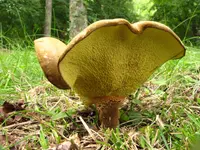
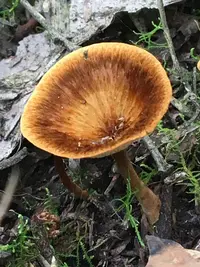
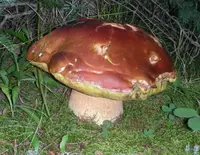
Shiny cinnamon polypore (Coltricia cinnamomea) is a small, annual bracket fungus rather than a leafy plant. It forms thin, circular caps with warm cinnamon to rusty-brown tones and often shows striking concentric zoning. The upper surface is usually velvety, while the underside carries tiny pores instead of gills.

This species typically grows on sandy or poor, acidic soils, often near oaks and pines in forests and heathlands across North America and other temperate regions. It is not commonly cultivated, so information on how to care for Shiny cinnamon polypore is limited, but it generally favors nutrient-poor, well-drained soils and stable, moist but not waterlogged conditions in partial shade.

Main Plant Requirements

Care Difficulty

Moderate Care

Light Preference

Partial Shade

Water Requirements

Keep Soil Moist

Temperature Preference

Cool Climate

Hardiness Zone

Unknown

Soil Texture

Loamy, Sandy, Organic-rich

Soil pH

Acidic (5.5–6.5)

Soil Drainage

Moist but well-drained

Fertilization

Minimal (feed rarely)

Get Personalized Care Plan

Scan your plant to receive care tips personalized for your specific plant

Available on iOS and Android

How to Care for the Shiny cinnamon polypore

This wood-decay fungus prefers stable woodland light that mimics its natural forest habitat.

  • Provide dappled or filtered light under trees, with 2–4 hours of gentle morning sun and shade or high, broken canopy light the rest of the day.
  • Avoid strong, direct midday or afternoon sun; prolonged exposure can dry the substrate, slow fruiting, and cause caps of Shiny cinnamon polypore to crack or bleach.
  • In summer, increase shade or use leaf litter to protect the mycelium; in fall and early spring, slightly more open light is tolerated without stress.

Moist but not waterlogged conditions are essential for reliable fruiting and mycelium health.

  • Maintain evenly moist, well-drained, woody or sandy soil; let the top 2–3 cm start to dry before rewetting, then water enough to moisten the upper 8–10 cm.
  • Reduce watering in cool, dormant periods and after heavy natural rainfall; increase frequency during hot, dry spells to prevent the substrate from fully drying out.
  • Watch for overwatering signs such as sour odor, standing water, and slimy mycelium, versus underwatering signs like brittle fruiting bodies and shrinking or cracked substrate around them.

Stable, cool to mild temperatures support consistent development of this forest-dwelling fungus.

  • Aim for 55–72°F (13–22°C) as the main active growth range, similar to shaded woodland conditions during spring and fall.
  • The mycelium can survive brief drops near 32°F (0°C), but repeated hard frosts and frozen, saturated soil reduce long-term vigor.
  • Heat above 82–86°F (28–30°C), especially with low humidity, can halt fruiting; deeper mulch, shade, and steady moisture help buffer against short hot spells.

This wood-decay fungus handles a wide humidity range but performs best in moderately moist air during active growth.

  • Aim for 50–70% humidity in shaded, sheltered sites where fruiting bodies develop.
  • It tolerates short dry spells, but prolonged very dry air can lead to cracked, brittle caps and reduced fruiting.
  • Increase local humidity outdoors with nearby mulch and decaying wood, or in culture by using a ventilated humidity tent while maintaining airflow to prevent mold competition.

Coltricia cinnamomea naturally colonizes nutrient-poor, acidic, well-drained woodland substrates.

  • Use a sandy or gritty mix with fine bark and leaf litter to mimic acidic forest soil and maintain structure.
  • Ensure rapid drainage; standing water or compacted, waterlogged media suppresses mycelium and encourages competing fungi.
  • Keep pH slightly acidic, roughly pH 4.5–6.0, by incorporating pine needles, peat, or oak leaf mold instead of alkaline materials.
  • Improve aeration by blending coarse sand and fine bark chips, avoiding heavy clay or high-silt mixes that collapse and exclude air.

This species is generally not suitable for long-term ornamental container growing, but can be maintained in specialized culture containers for observation or study.

  • Use a deep, stable tub or crate that can hold a thick layer of woody substrate so the mycelium can spread horizontally and vertically.
  • Drill multiple side and bottom holes to allow both drainage and gas exchange, then elevate the container slightly to prevent blocking them.
  • Pack the woody substrate firmly enough for stability but not so tight that water films persist, which would favor soft-rot competitors over this species.

This wood-decaying fungus grows on nutrient-poor soils and usually needs no added fertilizer when left in natural settings.

Coltricia cinnamomea is not pruned in the usual horticultural sense, but fruiting bodies may be tidied for appearance or safety.

  • Remove only completely dead, broken, or decaying brackets using gloved hands or clean pruning shears.
  • Cut or snap fruiting bodies at the base to reduce tripping hazards on paths or work areas.
  • Avoid disturbing the woody substrate or mycelium layer, since this supports ongoing fungal growth.

This fungus is rarely grown in containers, so care focuses on relocating colonized wood or soil rather than classic repotting.

  • Transplant only if the colonized log or stump must be moved, since disturbing the mycelium can interrupt fruiting.
  • Choose early spring or fall, when temperatures are mild and moisture is more stable.
  • Move the entire colonized substrate intact, avoiding shaking or breaking apart the root-like mycelial network.
  • Reposition the log or soil patch in a similar light and moisture setting to reduce stress and maintain growth.

Spreading this fungus is specialized work and is typically done by ecological or mycological projects rather than casual gardeners.

In most temperate climates this species is naturally cold hardy and needs no special winter care outdoors.

Care Tips

Use native substrates

When possible, introduce the fungus to a bed containing native, low-nutrient, acidic mineral soil mixed with local leaf litter from oaks or pines, which supports the mycorrhizal partnership it naturally forms with trees.

Establish with young trees

In new plantings, inoculate around the root zones of young compatible trees rather than mature ones, as the fungus establishes more reliably on fine, actively growing feeder roots.

Limit soil disturbance

After inoculation, avoid rototilling, deep digging, or frequent raking over the colonized area so the fine mycelial network and mycorrhizal roots remain intact and functional.

Avoid competing fungi

Do not add general mushroom grow kits, woody mulch already colonized by other fungi, or rich compost on top of the inoculated zone, as strong competitors can suppress or displace this species.

Monitor host health

Inspect associated trees for stress and maintain their basic arboricultural care, since caring for Shiny cinnamon polypore is closely linked to keeping its host tree healthy and physiologically active.

Common Pests and Diseases

Wood-boring beetles

These insects can colonize dead or drying fruiting bodies, tunneling through the flesh and leaving small exit holes and frass (fine sawdust). This pest rarely kills the mycelium but can destroy the visible cap structure.

Solution

Remove and discard heavily bored fruiting bodies to limit beetle breeding sites and reduce aesthetic damage. Keep nearby woody debris and logs in good condition or rotated so beetles are less concentrated on the fungus, and avoid storing infested wood near areas where you want to grow Coltricia cinnamomea.

Fungal competition

This disease pressure comes from other wood-decay or soil fungi that overrun the same substrate, leading to reduced or distorted fruiting of Coltricia cinnamomea. Symptoms include fewer, smaller, or misshapen caps and visible growth of other fungal species on the same log or soil patch.

Solution

Remove and discard fruiting bodies of competing fungi from the immediate area and, if feasible, provide fresh, low-competition woody substrate for Coltricia cinnamomea. Maintain moderate, stable moisture without waterlogging, since strongly wet conditions often favor fast-growing competitor fungi.

Mite infestation

This pest involves tiny arthropods that feed on fungal tissue or associated microorganisms, sometimes pitting or scarring the cap surface. Symptoms include fine speckling, small pits, and mites visible as moving dots under close inspection.

Solution

Gently rinse accessible fruiting bodies with clean water to dislodge mites and reduce populations. If cultivation is intentional and controlled, limit excessive organic debris and keep surrounding area clean and moderately ventilated to make conditions less favorable for large mite populations.

Slug and snail damage

These pests feed on soft fungal tissue, leaving irregular holes, rasped surfaces, and slime trails on caps. Symptoms include missing sections of the cap edge and shallow gouges in the surface.

Solution

Hand-pick slugs and snails during damp periods and remove hiding places such as dense ground litter or boards near the fruiting site. If necessary, use physical barriers like copper tape around small cultivated patches to reduce access without directly contaminating the fungus.

Interesting Facts

Cinnamon funnel shape

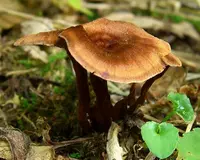
Mature fruiting bodies form thin, funnel-shaped caps with a distinct central depression and concentrically zoned cinnamon to rusty-brown bands, often with a velvety surface when young.

Mycorrhizal soil partner

This species is believed to form mycorrhizal associations with the roots of trees in nutrient-poor, sandy or acidic soils, helping both the fungus and host plants access limited resources.

Tough, long-lasting fruiting

The caps are leathery and tough rather than fleshy, allowing them to persist on the forest floor for extended periods and slowly release spores over time.

FAQs about Shiny cinnamon polypore

This bracket fungus is generally regarded as inedible due to its tough, corky texture and lack of culinary value. It is not used as food and is best appreciated for its appearance and ecological role.

Grow Healthy Plants with Botan Care

Keep your plants happy and healthy with plant identification, disease detection, and easy care guidance.

Botan plant care app — identify plants on mobile

Explore More Plants