Cerrena zonata Care

Cerrena zonata

About Cerrena zonata

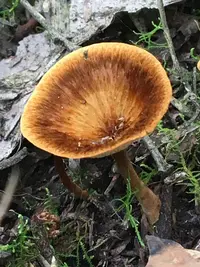
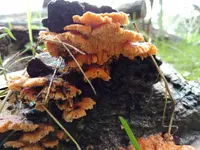
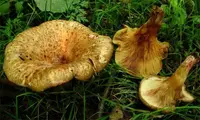
Cerrena zonata is a bracket fungus that forms thin, shelf-like layers on dead or decaying wood, rather than a traditional leafy or flowering plant. It typically shows concentric, banded zones in shades of brown, gray, and cream, giving logs and stumps a patterned, textured surface.

This species occurs mainly in temperate forests, especially in North America, where it plays an important role in breaking down hardwoods. Its growth depends on suitable dead wood, stable humidity, and shaded conditions, so it is not a common choice for beginners wanting to care for Cerrena zonata at home.

In cultivation or display setups, it prefers cool, moist, shaded environments and consistently damp, woody substrate rather than standard potting soil.

Main Plant Requirements

Care Difficulty

Moderate Care

Light Preference

Partial Shade

Water Requirements

Regular Water

Temperature Preference

Cool Climate

Hardiness Zone

Unknown

Soil Texture

Loamy, Silty, Organic-rich

Soil pH

Acidic (5.5–6.5)

Soil Drainage

Moist but well-drained

Fertilization

Minimal (feed rarely)

Get Personalized Care Plan

Scan your plant to receive care tips personalized for your specific plant

Available on iOS and Android

How to Care for the Cerrena zonata

This bracket fungus prefers stable, forest-like light rather than direct, open sun.

  • Provide bright shade or dappled light, such as on the shaded side of hardwood logs or stumps receiving 1–3 hours of gentle morning sun and no harsh afternoon sun.
  • Cerrena zonata tolerates deep shade under a tree canopy, but growth and spore production may slow if light is extremely low for long periods.
  • Avoid prolonged direct sun, which can dry the host wood and fruiting bodies, causing cracking, bleaching, and shorter-lived brackets, especially in hot, dry seasons.

This wood-decaying fungus depends on stable moisture in its host wood rather than direct surface watering.

  • Allow the supporting log or stump to stay evenly moist but not waterlogged; the outer 2–5 cm of wood should feel damp, not soggy or bone-dry when touched.
  • In dry or windy periods, lightly hose surrounding soil or mulch every few days so humidity around Cerrena zonata stays higher while excess water can still drain away.
  • Reduce added moisture in cool, wet seasons to avoid standing water, which encourages competing molds and can slow decay activity inside the wood.

This species handles a wide temperature range but fruits best in cool to mild conditions.

  • Support active growth at roughly 50–75°F (10–24°C), which suits many temperate hardwood forests where this fungus naturally colonizes dead wood.
  • Fruiting bodies may survive short dips near 25–30°F (-4 to -1°C), but repeated hard freezes with no thaw slow internal wood decay and can damage exposed brackets.
  • In hot spells above 80–85°F (27–29°C), shade and steady moisture in the host wood help prevent rapid drying and reduce stress on the developing fruiting layers.

Humidity is not a major factor for Cerrena zonata in typical outdoor conditions, so standard ambient humidity is usually sufficient.

This wood-decay fungus develops best on naturally moist, well-aerated woody substrates rather than conventional potting soil.

  • Ensure the host wood or log remains evenly moist but not waterlogged to support steady fungal colonization.
  • Use decaying hardwood with a moderately loose, fibrous structure that allows air penetration around the mycelium.
  • Avoid dense, compacted, or heavily clay-based mineral soils, which limit oxygen and restrict fungal spread.
  • Maintain slightly acidic to neutral conditions (about pH 5.5–7) when choosing or preparing wood or lignocellulosic blocks.

This species is not naturally suited to ornamental container growing, but it can be cultivated on inoculated wood pieces placed in trays or boxes for observation.

  • Use a shallow, ventilated tray so air can circulate freely around the colonized wood while excess moisture can evaporate.
  • Raise the wood pieces on small supports or a slatted base to prevent standing water from pooling under the substrate.
  • Choose a rigid, stable container that will not flex under the weight of wet wood, reducing disturbance of the fungal structure.

This bracket fungus lives on wood and does not need conventional fertilization in cultivation.

As a wood-decaying bracket fungus, Cerrena zonata does not require horticultural pruning.

This species grows directly on dead or declining wood, so it is not repotted in the usual sense.

  • Transplant only if moving colonized wood, such as a log or branch, to a new display location.
  • Shift wood sections during mild, stable weather to limit moisture stress and cracking.
  • Handle the substrate gently so the fungal tissue inside the wood is not crushed or excessively dried.
  • Keep the relocated wood in similar shade, humidity, and airflow conditions after moving.

Propagation of this wood-inhabiting fungus is mainly ecological and not usually done in home culture.

Established on outdoor wood, this fungus is naturally cold hardy and needs no special winter care.

Care Tips

Use appropriate host

In outdoor culture, establish this bracket fungus on well-weathered hardwood logs or stumps from broadleaf trees rather than conifers, which better match its natural substrate and support stable, long-term colonies.

Stabilize mounting

If cultivating on display pieces of wood, secure the log or branch firmly in a heavy container or on a rack so the fruiting bodies are not disturbed by vibration or tipping, which can deform new growth.

Manage air movement

Provide gentle, continuous air circulation around the fruiting shelves using a small fan at low speed to reduce stagnant pockets of air that favor mold without letting surfaces dry out completely.

Moisture gradient control

When misting or soaking the host wood, aim to keep the log evenly damp but not dripping, and allow the outer surface to dry slightly between treatments to limit bacterial and algal films on the brackets.

Monitor structural decay

Periodically check the supporting wood for excessive softening or structural breakdown, and transfer colonized sections to a fresher log before the substrate collapses, which supports long-term Cerrena zonata care.

Common Pests and Diseases

Wood-boring beetles

This pest uses the fungal tissue as a food source and shelter, creating galleries and small exit holes in the brackets. Symptoms include crumbly, tunneled fruiting bodies and fine frass-like dust on and under the fungus.

Solution

Remove and discard heavily tunneled brackets to break the life cycle, and avoid storing harvested material in warm, still air where beetles can develop. If keeping brackets for display or culture, freeze them for 48–72 hours to kill larvae, then store in dry, well-ventilated conditions to discourage reinfestation.

Fungus gnats

These insects are often attracted to damp substrates used for cultivating this bracket fungus, especially in indoor or lab-style setups. Symptoms include small black flies around the culture containers and larvae feeding in very moist organic media.

Solution

Allow the substrate surface to dry slightly between waterings, use well-drained media, and improve airflow around culture containers. Sticky traps can reduce adult numbers, and covering vents with fine mesh limits access while maintaining gas exchange, which supports responsible Cerrena zonata care instructions for hobby cultivation.

Mold contamination

This disease occurs when fast-growing competitor molds colonize the same substrate, outcompeting the primary fungus. Symptoms include fuzzy white, gray, green, or black patches that look different from the normal zoned, tough bracket tissue.

Solution

Promptly remove and discard heavily contaminated substrates or cultures to prevent spore spread. For small, early spots, isolate the affected container, reduce humidity slightly, increase airflow, and maintain strict cleanliness of tools and containers to favor the target fungus over opportunistic molds.

Bacterial soft rot

This disease develops in very wet, stagnant conditions, causing parts of the fruiting body or substrate to become water-soaked, slimy, and foul-smelling. Symptoms include soft, collapsing tissues instead of the normal firm, leathery brackets.

Solution

Discard severely affected material and clean any reusable surfaces with a disinfectant. For mild cases, cut away soft, discolored tissue with a sterile blade, then improve drainage, reduce free water on surfaces, and maintain moderate humidity with good air exchange to keep tissues firm and less favorable to bacteria.

Interesting Facts

White‑rot wood specialist

This species is a white‑rot fungus that decomposes lignin in hardwoods, leaving the wood pale and fibrous and playing a key role in nutrient cycling in temperate forests.

Zoned fruiting pattern

Its fruiting bodies show distinct concentric color zones and a thin, tough cap that often forms overlapping tiers on dead or dying trunks and branches.

Insect‑associated development

Larvae of certain wood‑boring insects and wasps can develop in wood already colonized by this fungus, indicating a close association between its decaying activity and some insect life cycles.

Botan icon

Did you know?

Genetic and chemical studies have shown that this species can produce extracellular oxidative enzymes capable of breaking down complex aromatic compounds, making it of interest for research on bioremediation of polluted environments.

FAQs about Cerrena zonata

This bracket fungus expands slowly along dead hardwood, forming new shelf-like brackets over several seasons. Growth speed depends on wood moisture, temperature, and decay stage, rather than soil or fertilizer, since it digests the wood itself.

Grow Healthy Plants with Botan Care

Keep your plants happy and healthy with plant identification, disease detection, and easy care guidance.

Botan plant care app — identify plants on mobile

Explore More Plants