Antirrhinum braun-blanquetii Care

Antirrhinum braun-blanquetii

About Antirrhinum braun-blanquetii

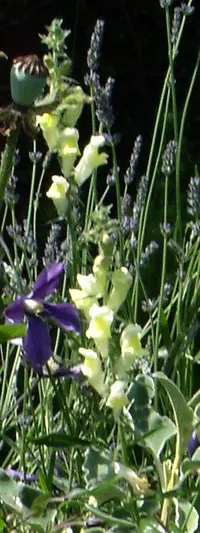
Antirrhinum braun-blanquetii is a perennial snapdragon relative, forming low, bushy clumps with upright flowering stems. It produces delicate, tubular flowers that resemble small, open mouths. Foliage is typically narrow and green, giving the plant a light, airy look.

This species is native to parts of the western Mediterranean, where it often grows on rocky slopes and well-drained, sunny sites. In cultivation it prefers bright light, moderate moisture, and soils that do not stay waterlogged.

Most gardeners find it moderately easy to grow once established, provided drainage is good and competition from larger plants is limited. Understanding how to care for Antirrhinum braun-blanquetii mainly involves matching those dry, sunny, low-nutrient conditions.

Main Plant Requirements

Care Difficulty

Moderate Care

Light Preference

Full Sun

Water Requirements

Moderate Water

Temperature Preference

Warm Climate

Hardiness Zone

7–10

Soil Texture

Sandy, Loamy, Organic-rich

Soil pH

Acidic (5.5–6.5), Slightly acidic (6.5–7.0)

Soil Drainage

Well-drained

Fertilization

Light (every 4–6 weeks)

Get Personalized Care Plan

Scan your plant to receive care tips personalized for your specific plant

Available on iOS and Android

How to Care for the Antirrhinum braun-blanquetii

This sun-loving perennial performs best in open garden sites with strong light exposure.

  • Provide 6–8 hours of direct sun daily; in hotter regions, prioritize morning sun with light shade after 2–3 p.m. to prevent flower scorch.
  • Tolerates light partial shade (around 3–4 hours sun), but Antirrhinum braun-blanquetii will produce fewer, weaker stems and blooms in low light.
  • In spring and fall, full sun is usually safe, but in peak summer monitor for leaf curl, bleaching, or crispy leaf edges as signs of excess sun stress.

This species prefers evenly moist but never waterlogged soil, especially during active growth and flowering.

  • Water when the top 2–3 cm of soil feels dry, aiming to moisten the root zone thoroughly and then let excess drain away.
  • Reduce watering frequency in cooler months or during growth pauses, but do not allow prolonged dryness that causes wilting or drooping foliage.
  • Watch for yellowing lower leaves and soft stems as signs of overwatering, and for limp, thin leaves and dry, crumbly soil as signs of underwatering.

This snapdragon performs best in mild conditions and dislikes both hard frost and intense heat.

  • Ideal growth occurs around 55–70°F (13–21°C), which supports strong stems and sustained flowering through the cooler seasons.
  • Plants tolerate brief drops to about 25°F (-4°C) with some damage, but repeated hard frost can kill young shoots and flower spikes.
  • During hot spells above 85°F (29°C), flowering slows; provide mulch and some afternoon shade, and avoid heat-stress by not planting in reflective, exposed sites.

Humidity is rarely a limiting factor for Antirrhinum braun-blanquetii in typical outdoor conditions.

  • Prefers 40–60% relative humidity but generally tolerates drier air in most garden climates.
  • Dry, hot air combined with drought causes brown, crisp leaf edges and shorter-lasting flowers.
  • If grown in very arid sites, group plants and use mulch to slightly buffer moisture loss around foliage.

Antirrhinum braun-blanquetii grows best in light, well-drained mineral soil with moderate organic content.

  • Use a loamy or sandy loam structure that stays open and crumbly, avoiding dense, clay-heavy ground.
  • Aim for slightly alkaline to neutral pH around 6.8–7.5 to support nutrient availability and sturdy growth.
  • Blend garden soil with 20–30% compost and 10–20% coarse sand or fine grit to sharpen drainage and aeration.
  • Avoid waterlogged beds, compacted areas, or spots where water stands after rain, which strongly increase root and stem rot risk.

This species is suitable for container growing when the pot supports its upright, branching habit.

  • Choose a pot at least 25–30 cm deep to accommodate the taproot and prevent plants from toppling in wind.
  • Use a heavier material, such as terracotta or concrete, to stabilize tall flowering stems on exposed patios or balconies.
  • Raise the container slightly on pot feet so drainage holes stay clear and excess irrigation or rainwater escapes quickly.

Light, balanced feeding supports long, floriferous growth for Antirrhinum braun-blanquetii in garden beds or containers.

  • Use a balanced NPK fertilizer (such as 10-10-10) at half strength every 3–4 weeks during the main growing and flowering season.
  • In richer garden soils, apply a thin layer of compost in spring instead of frequent liquid feeds.
  • For containers, a slow-release granular fertilizer mixed into the potting medium at planting provides steady nutrients.
  • Stop feeding in late summer to early fall so growth can harden off before winter, and avoid fertilizing during winter dormancy.

Thoughtful pruning maintains flowering performance and a tidy shape for Antirrhinum braun-blanquetii.

  • In late spring and throughout summer, deadhead spent flower spikes using clean scissors or hand pruners to encourage repeat blooming.
  • Remove yellowing, damaged, or diseased stems promptly to reduce disease pressure and improve air circulation.
  • Lightly trim leggy or floppy growth by up to one-third to promote bushier plants and more flowering shoots.
  • At season’s end, cut back dry stems near the base if plants are treated as annuals, or leave some seed heads if self-sowing is desired.

This species is more often transplanted in beds than kept long term in containers, so focus on gentle handling of young Antirrhinum braun-blanquetii plants.

  • Transplant outdoors in spring after frost, once seedlings have several true leaves and roots hold the plug without circling tightly.
  • Space plants so roots are not crowded, placing them at the same depth as in their original trays or pots.
  • Water thoroughly before and after transplanting, then shade lightly for a few days to limit transplant shock.
  • Container plants only need shifting up when roots emerge from drainage holes or growth stalls despite good care.

Most gardeners rely on seeds for increasing Antirrhinum braun-blanquetii, though small-scale cuttings are also possible.

  • Sow seeds in late winter to early spring on the surface of moist, well-drained seed mix, as light improves germination.
  • Maintain 60–70°F, bright indirect light, and consistently slightly moist medium until seedlings emerge.
  • Prick out seedlings once large enough to handle, avoiding root damage, and harden off before outdoor planting.
  • For cuttings, take non-flowering softwood tips in spring, use rooting hormone, and root in a humid, bright but not hot environment.

This snapdragon relative is moderately cold tolerant but benefits from some winter attention in cooler regions.

  • In mild climates, plants can overwinter outdoors, especially in well-drained soil that prevents crown rot.
  • Apply a light mulch layer around the root zone in late fall to buffer freeze–thaw cycles without burying the crown.
  • In colder areas or containers, treat it as an annual or move pots to a sheltered, cool, frost-free spot with minimal watering.

Care Tips

Pinch for branching

Pinch out the soft shoot tips when plants are 8–10 cm tall to promote dense, multi-stemmed growth and a heavier flowering display later in the season.

Staggered sowing

Sow small batches of seed every 2–3 weeks in late winter to early spring so flowering is spread over a longer period rather than peaking all at once.

Support in windy sites

In exposed beds, run low horizontal strings or mesh along the row at 15–20 cm and 30–40 cm heights to prevent tall stems from lodging or snapping in strong wind.

Cut-and-come-again use

Harvest flowering stems with clean, sharp snips just above a leaf node to encourage new side shoots and extend the useful cutting period when growing Antirrhinum braun-blanquetii.

Disease hygiene routine

Remove spent flower spikes and any yellowing or spotted foliage promptly, and avoid overhead wetting in the evening, to reduce the risk of rust and botrytis spreading through the planting.

Common Pests and Diseases

Rust

This disease produces orange to brown pustules on leaves and stems, often leading to yellowing and premature leaf drop in snapdragons.

Solution

Remove and destroy affected leaves, avoid overhead watering, and increase spacing for good airflow; for recurring problems, apply a sulfur or chlorothalonil-based fungicide labeled for ornamental rust and rotate planting areas from year to year.

Botrytis blight

This disease causes soft, water-soaked spots on flowers and foliage that turn brown and develop a gray, fuzzy mold in cool, humid weather.

Solution

Promptly remove and discard infected blooms and plant debris, improve air circulation, and water at the base in the morning; in persistent cases, use a labeled fungicide and avoid dense plantings when growing Antirrhinum braun-blanquetii in damp climates.

Powdery mildew

This disease appears as white, powdery patches on leaves and stems, which can cause distortion and reduced flowering under crowded, humid conditions.

Solution

Thin plants to improve airflow, avoid overhead watering, and remove the worst affected foliage; if needed, apply a potassium bicarbonate or neem oil product labeled for powdery mildew, repeating as directed during high-pressure periods.

Aphids

These insects cluster on young shoots and flower spikes, sucking sap and causing distortion, sticky honeydew, and occasionally sooty mold growth.

Solution

Blast colonies off with a strong stream of water, pinch off heavily infested tips, and encourage or introduce natural predators such as lady beetles; for ongoing infestations, use insecticidal soap or horticultural oil, ensuring thorough coverage of stems and undersides of leaves.

Leaf miner

This pest creates winding, pale tunnels inside snapdragon leaves as larvae feed between leaf surfaces, sometimes causing browning and early leaf drop.

Solution

Remove and destroy mined leaves as soon as damage appears, and avoid excess nitrogen fertilization that encourages lush, susceptible growth; in severe, repeated cases, use a systemic insecticide labeled for ornamental leaf miners, applied according to label directions before peak egg-laying periods.

Interesting Facts

Iberian limestone specialist

This species is naturally restricted to limestone cliffs and rocky slopes of the eastern Iberian Peninsula, where it roots into narrow crevices with very thin, alkaline soils.

Pale yellow snapdragon blooms

It produces dense spikes of pale yellow, snapdragon-type flowers that are adapted to bee pollinators, which must push open the flower’s “jaw” to reach nectar and transfer pollen.

Narrow endemic distribution

Unlike the widespread garden snapdragon Antirrhinum majus, this species is a narrow endemic that occurs in scattered, localized populations, making it of conservation interest in parts of its native range.

FAQs about Antirrhinum braun-blanquetii

This species usually flowers from late spring through summer, often peaking in early to mid-summer. In mild climates, flowering can extend into early autumn if spent flower spikes are removed and the plants are not stressed by drought.

Grow Healthy Plants with Botan Care

Keep your plants happy and healthy with plant identification, disease detection, and easy care guidance.

Botan plant care app — identify plants on mobile

Explore More Plants