anglestem Indian mallow Care (Abutilon trisulcatum)

anglestem Indian mallow

About anglestem Indian mallow

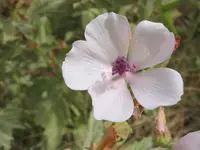
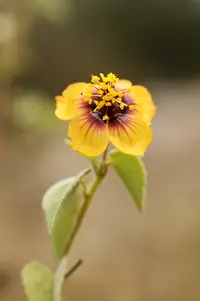
Anglestem Indian mallow, Abutilon trisulcatum, is a small shrub in the mallow family, valued for its soft foliage and attractive, bell-like yellow flowers. It typically has a branching, somewhat open habit with lightly hairy stems and leaves that give it a slightly velvety look.

This species is native to parts of tropical and subtropical regions, often growing in open, disturbed sites and along roadsides. It tends to be fairly resilient, adapting to a range of soils as long as drainage is good.

Light-loving and moderately drought-tolerant once established, it suits warm climates and simple low-maintenance plantings. These traits make it relatively straightforward for gardeners who want to learn how to care for anglestem Indian mallow without complex routines.

Main Plant Requirements

Care Difficulty

Moderate Care

Light Preference

Partial Sun

Water Requirements

Moderate Water

Temperature Preference

Warm Climate

Hardiness Zone

Unknown

Soil Texture

Loamy, Sandy, Organic-rich

Soil pH

Acidic (5.5–6.5), Slightly acidic (6.5–7.0)

Soil Drainage

Moist but well-drained

Fertilization

Light (every 4–6 weeks)

Get Personalized Care Plan

Scan your plant to receive care tips personalized for your specific plant

Available on iOS and Android

How to Care for the anglestem Indian mallow

Abutilon trisulcatum grows best in bright conditions that balance sun and light shade.

  • Provide 4–6 hours of direct morning sun with light afternoon shade, especially in hot summers, to support flowering without scorching leaves.
  • Tolerates partial shade, but flowering and compact growth decline when it receives less than 3–4 hours of direct or strongly filtered light per day; stems may stretch.
  • In very hot climates, protect anglestem Indian mallow from harsh midday sun using dappled tree cover or a shade cloth, especially from 11 a.m. to 3 p.m. in summer.

Abutilon trisulcatum prefers evenly moist but well-drained soil that never stays soggy for long.

  • Outdoors in mild conditions, allow the top 3–5 cm of soil to dry before watering again; in hot, dry weather this may mean checking soil moisture every 1–2 days.
  • Use a loose, well-draining soil with added compost or fine bark so excess water drains within a few minutes and roots receive both moisture and air.
  • Watch foliage: drooping with dry soil indicates underwatering, while yellowing lower leaves, soft stems, and a sour soil smell suggest overwatering or poor drainage.

This species favors warm, frost-free conditions with only moderate heat stress tolerance.

  • Aim for daytime temperatures around 65–80°F (18–27°C) for active growth, with slightly cooler nights around 55–65°F (13–18°C).
  • Protect the plant from cold; growth slows below 50°F (10°C), and damage or dieback often occurs near 32°F (0°C), especially during prolonged frosts.
  • In hot climates, plants tolerate short periods up to about 90–95°F (32–35°C) if soil stays slightly moist and roots are mulched to limit heat stress.

This species prefers moderate ambient humidity and usually adapts to typical indoor levels.

  • Aim for 40–60% humidity; it tolerates brief dips lower but prolonged very dry air can stress foliage.
  • Crisp leaf edges, stalled growth, and increased spider mites suggest humidity is too low for anglestem Indian mallow.
  • Increase humidity with a nearby open tray of water and stones, grouping plants, or a room humidifier rather than misting leaves.

Abutilon trisulcatum grows best in loose, aerated, moderately fertile substrates.

  • Use a loamy, organic-rich mix with clear structure, such as 2 parts all-purpose potting mix, 1 part compost, and 1 part perlite or coarse sand.
  • Ensure rapid drainage; water should run through freely and the top 2–3 cm should dry between waterings to reduce root rot risk.
  • Target a slightly acidic to neutral pH around 6.0–7.0, avoiding strongly acidic or chalky conditions that can limit nutrient uptake.
  • Improve aeration by adding chunky materials like bark fines or extra perlite, and avoid compacted or heavy clay-based mixes.

This shrub adapts well to container cultivation when given stable root conditions.

  • Choose a deep, slightly wider pot to support its woody framework and prevent the plant from becoming top-heavy in wind or on balconies.
  • Use a container material with moderate porosity, such as thick-walled terracotta or heavy plastic, to balance moisture retention with stability.
  • Elevate the pot slightly on feet or bricks so drainage holes stay clear and excess water can exit quickly after heavy irrigation or rain.

This plant responds well to light feeding during active growth but does not need heavy fertilization for healthy performance.

  • Use a balanced liquid fertilizer around 10-10-10 at 1/2 strength every 4–6 weeks in spring and summer for potted anglestem Indian mallow.
  • In garden soil, apply a thin layer of compost around the root zone once in spring.
  • Avoid feeding in late fall and winter when growth slows or stops.
  • Water before and after applying fertilizer to reduce root burn risk.

Pruning helps maintain a tidy form and encourages flowering on Abutilon trisulcatum.

  • Carry out main pruning in late winter or very early spring before strong new growth begins.
  • Remove dead, damaged, or crossing stems first using clean, sharp bypass pruners.
  • Shorten overly long or leggy shoots to an outward-facing bud to keep a compact, branching shape.
  • Light thinning through the canopy improves air movement and can support better bloom production.

This shrub is more often grown in the ground, but container plants benefit from occasional repotting or careful transplanting.

  • Plan transplanting or repotting in early spring when new growth is just starting.
  • Check for roots circling the pot, water running straight through, or declining vigor as signals it needs more space.
  • Move up only 1 pot size, using a free-draining mix and positioning the crown at the same soil level.
  • Handle the root ball gently, loosen only lightly, water thoroughly, and shade from strong sun for several days to reduce stress.

Abutilon trisulcatum is commonly propagated from both semiripe cuttings and seeds under warm, bright conditions.

  • Take 7–10 cm semiripe stem cuttings in late spring or summer, removing lower leaves.
  • Dip bases in rooting hormone and place in a moist, well-drained medium such as 1:1 perlite and peat or coco coir.
  • Maintain 70–75°F, high humidity, and bright, indirect light until roots form.
  • Sow fresh seeds in spring on the surface of a light seed mix, barely covering, and keep evenly moist until germination.

This species prefers mild climates and benefits from protection in regions with freezing winters.

  • In-ground plants in marginal zones need a 5–8 cm mulch layer over the root zone in late fall.
  • Where winters drop below freezing, treat as a tender shrub and grow in containers.
  • Move potted plants indoors or into a frost-free greenhouse before temperatures fall near 32°F.
  • Reduce watering in winter, keeping the root ball just slightly moist to prevent rot.

Care Tips

Pinch For Bushiness

Pinch out the soft tips of new shoots once they reach 10–15 cm to encourage branching, a denser canopy, and more flowering sites instead of one tall, weak stem.

Provide Discreet Support

Install thin bamboo canes or a low ring support early in the season and loosely tie stems with soft ties, which prevents wind damage and keeps the plant upright without spoiling its natural form.

Monitor For Mites

Inspect the undersides of leaves weekly in warm, dry weather and at the first sign of stippling or fine webbing, hose the foliage with a firm water spray and follow with an insecticidal soap treatment if needed.

Refresh Mulch Annually

Apply a 3–5 cm layer of fine organic mulch around but not touching the stems each spring to maintain even soil moisture, reduce weed competition, and buffer root temperature for more reliable flowering when caring for anglestem Indian mallow.

Rotate Container Position

If container-grown, rotate the pot 90° every 1–2 weeks during active growth so all sides receive similar light, which prevents lopsided growth and promotes a balanced, symmetrical shrub.

Common Pests and Diseases

Spider mites

This pest feeds on the undersides of leaves, causing fine stippling, dull foliage, and fine webbing, especially in hot, dry conditions.

Solution

Rinse foliage thoroughly with a strong but gentle stream of water, focusing on leaf undersides, then maintain higher humidity and better air movement; if needed, apply insecticidal soap or horticultural oil in repeated treatments, ensuring full coverage each time.

Whiteflies

These insects cluster on the undersides of leaves, causing yellowing, leaf drop, and sticky honeydew that can attract sooty mold.

Solution

Regularly shake or tap stems to dislodge adults, use yellow sticky traps to monitor and reduce numbers, and treat leaf undersides with insecticidal soap or horticultural oil, repeating every 5–7 days until populations decline.

Aphids

These insects feed on soft new growth, causing curling, distortion, and sticky honeydew on leaves and stems.

Solution

Prune and discard heavily infested shoot tips, then wash remaining foliage with water and follow up with insecticidal soap, taking care to reapply to new growth where colonies tend to return; beneficial predators outdoors, such as lady beetles, also help reduce numbers.

Powdery mildew

This disease appears as white, powdery patches on leaves and stems, which can lead to yellowing, distortion, and premature leaf drop in humid, stagnant air.

Solution

Remove and dispose of affected leaves, then improve light and airflow around the plant and avoid overhead watering; in persistent cases, use a labeled fungicidal spray such as sulfur or potassium bicarbonate, applying according to package directions and keeping foliage evenly covered.

Leaf spot

Symptoms include small brown or dark spots on leaves that may enlarge and merge, sometimes surrounded by yellow halos, leading to thinning foliage on stressed plants.

Solution

Remove and discard affected leaves, keep foliage dry by watering at soil level, and improve airflow; if spots continue to spread, apply a suitable copper- or chlorothalonil-based fungicide and avoid overhead irrigation to support long-term Abutilon trisulcatum care.

Interesting Facts

Distinctively angled stems

This species has noticeably three-angled, or trisulcate, young stems, which give the plant its scientific name and help distinguish it from many other Abutilon species with round stems.

Native to South America

It is naturally distributed in parts of tropical South America, where it typically grows as a shrub or subshrub in open, sunny locations and disturbed habitats such as roadsides and field margins.

Hibiscus family membership

This plant belongs to the mallow family Malvaceae, making it a relative of hibiscus, cotton, and okra, and it shares features such as alternate leaves, showy funnel-shaped flowers, and a characteristic column of fused stamens.

FAQs about anglestem Indian mallow

This species is moderately fast-growing in warm conditions. With adequate water and nutrients, it typically reaches near-mature size in 1–2 seasons, then slows. Poor soil fertility, cool temperatures, and root restriction all reduce growth speed.

Grow Healthy Plants with Botan Care

Keep your plants happy and healthy with plant identification, disease detection, and easy care guidance.

Botan plant care app — identify plants on mobile

Explore More Plants